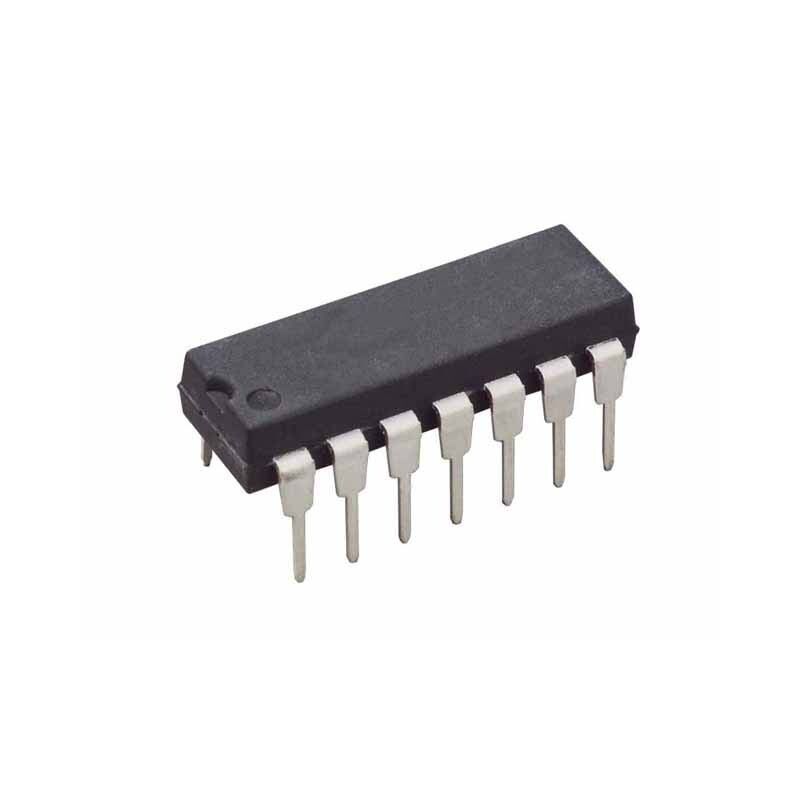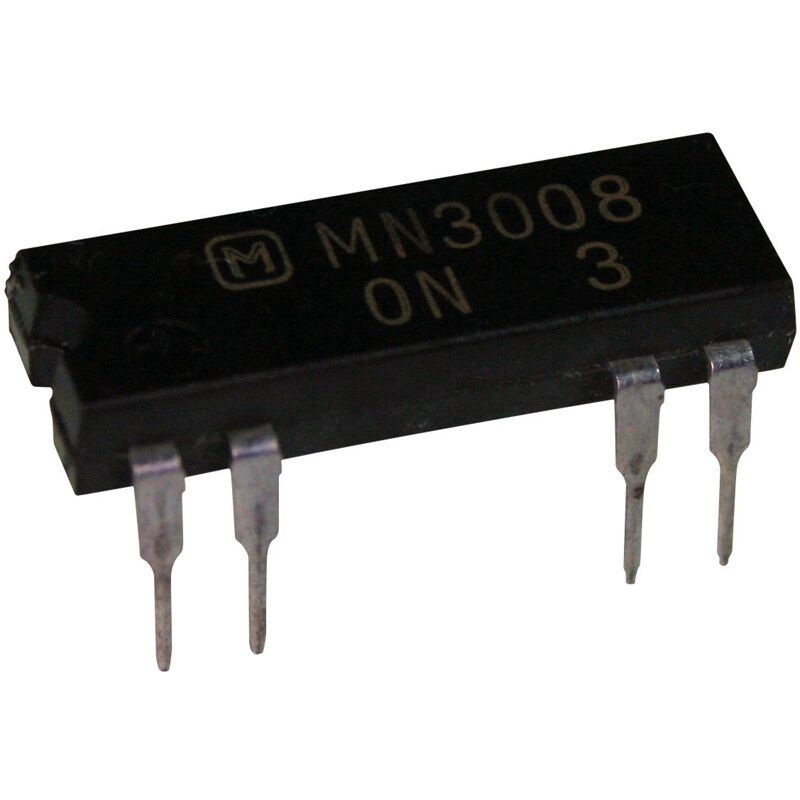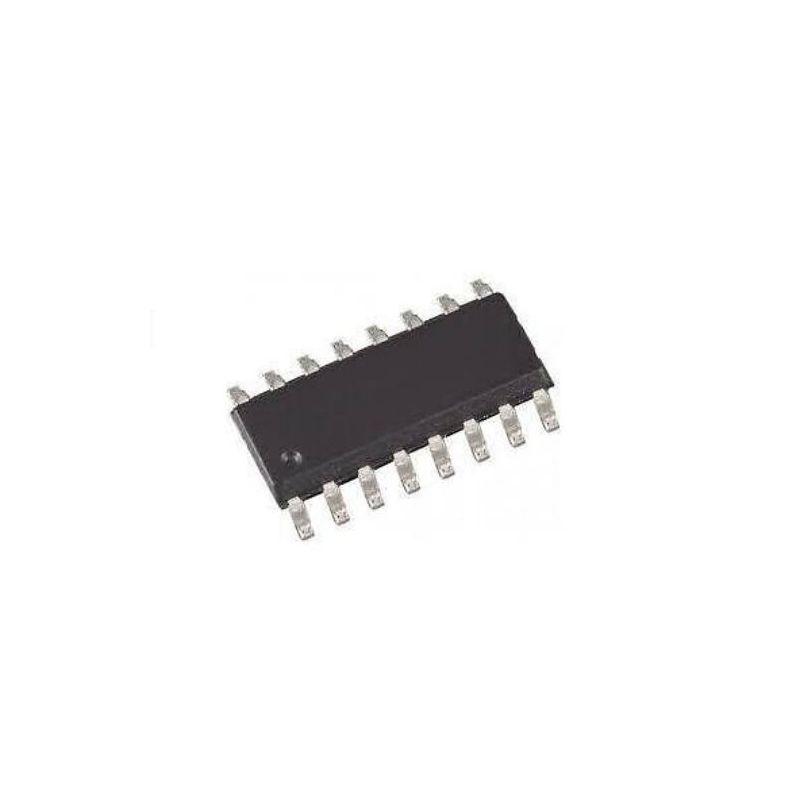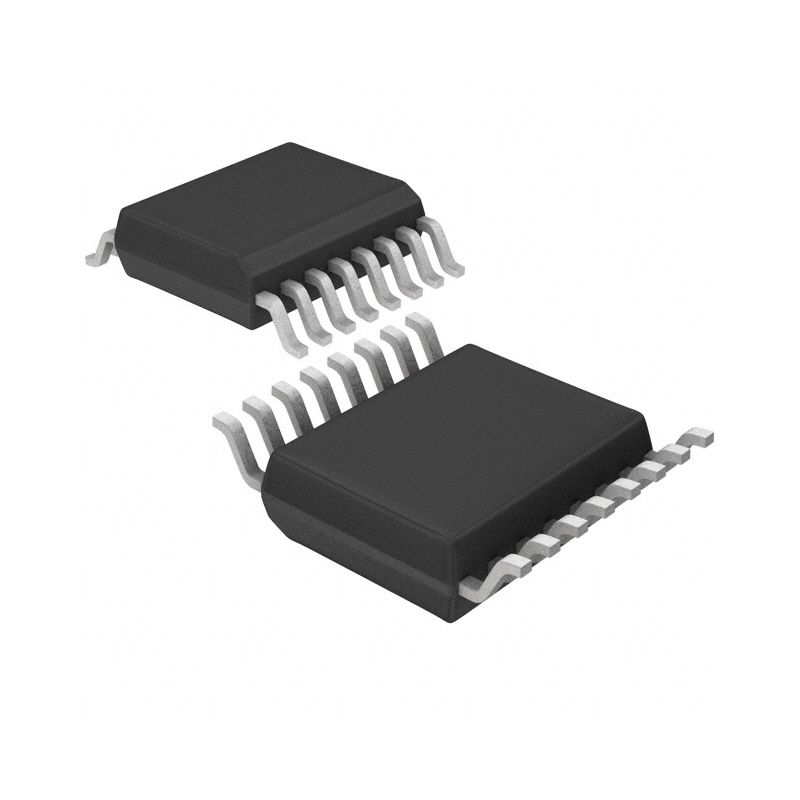


LM3909N Low-Power LED Flasher IC
38 people are viewing this right now
In Stock
SKU
191890265076
£14.80
Safe Checkout, Guaranteed

Safe Checkout, Guaranteed
The LM3909N is a unique and versatile monolithic oscillator specifically designed for low-power applications. This integrated circuit, manufactured by various reputable semiconductor companies, is widely recognized for its ability to create flashing LED indicators with minimal external components. Its primary function is to generate pulses for driving LEDs, making it ideal for battery-powered devices and other low-current applications. The LM3909N stands out due to its exceptional efficiency and simplicity. It requires only a few external components, typically a capacitor and a resistor, to create a functional oscillator circuit. This simplicity reduces the overall cost and complexity of the design, making it accessible to hobbyists, students, and professionals alike.
The IC operates on a wide range of supply voltages, typically from 1.5V to 5V, making it suitable for various battery-powered applications. Its low current consumption ensures long battery life, a crucial factor in portable devices. The LM3909N is commonly used in LED flashers, warning indicators, timing circuits, and simple oscillators. Its ability to drive LEDs directly eliminates the need for additional transistors or drivers, further simplifying the circuit design. The frequency of the oscillation can be easily adjusted by changing the values of the external capacitor and resistor, providing flexibility in tailoring the flashing rate to specific requirements. The LM3909N is housed in a standard DIP-8 (Dual In-line Package), making it easy to prototype on breadboards and solder onto printed circuit boards.
Its robust design ensures reliable operation over a wide temperature range. The LM3909N is a cost-effective solution for creating simple and efficient LED flashers. Its ease of use and low component count make it an excellent choice for beginners and experienced designers alike. The IC is widely available and supported by extensive documentation, making it easy to learn and implement in various projects. The LM3909N is manufactured to stringent quality standards, ensuring consistent performance and long-term reliability. Each IC is thoroughly tested to meet the manufacturer's specifications.
This integrated circuit provides a reliable and cost-effective solution for your low-power oscillator needs. Whether you are building a simple LED flasher, designing a warning indicator, or experimenting with timing circuits, the LM3909N will deliver the performance and reliability you expect. Don't overcomplicate your designs. Choose the LM3909N integrated circuit for your next project. Order yours today and experience the difference!
| Product Name | LM3909N Low-Power LED Flasher IC |
|---|---|
| SKU | 191890265076 |
| Price | £14.80 |
| LM3909N Low-Power LED Flasher IC Color | As per image |
| Category | Diodes |
| Brand | Nikko Electronics ltd |
| Product Code | 191890265076 |
| Availability | Yes |
Shipping cost is based on order value. Just add products to your cart and use the Shipping Calculator to see the shipping price. We want you to be 100% satisfied with your purchase. Items can be returned or exchanged within 30 days of delivery.
The LM3909N Low-Power LED Flasher IC is engineered for exceptional energy efficiency, making it highly suitable for battery-powered devices where extended battery life is crucial. Its monolithic oscillator design is optimized to draw minimal quiescent current, typically in the microampere range when not actively driving the LED. During the LED 'off' cycle, the IC essentially enters a low-power state, significantly reducing overall power consumption. This efficiency stems from its internal circuitry, which is designed to operate effectively even with low supply voltages and current levels. For applications like indicator lights, toys, or emergency beacons, this means the LM3909N Low-Power LED Flasher IC can maintain continuous operation for much longer periods compared to solutions using discrete components or less optimized ICs. Its ability to generate bright, attention-grabbing flashes from a small power budget makes it a cornerstone for portable, low-current designs.
The LM3909N Low-Power LED Flasher IC is renowned for its simplicity, requiring only a few external components to create a fully functional LED flashing circuit. Typically, you'll need one capacitor and one resistor, in addition to the LED itself and a power source. The capacitor, connected between pin 2 and ground, primarily determines the flash rate and duty cycle. A larger capacitance value will result in a slower flash rate, while a smaller capacitor will yield faster flashes. The resistor, often connected in series with the LED, is crucial for current limiting, protecting the LED from overcurrent and setting its brightness. It also plays a role in the timing by influencing the capacitor's charge and discharge cycle. This minimal component count not only reduces bill of material costs and PCB space but also simplifies design and assembly, making the LM3909N Low-Power LED Flasher IC an ideal choice for hobbyists and professional engineers seeking efficient, straightforward LED indicator solutions.
The flashing frequency and duty cycle of an LED driven by the LM3909N Low-Power LED Flasher IC are primarily determined by the value of the external timing capacitor connected to the IC's pin 2, and to a lesser extent, the LED current limiting resistor. Increasing the capacitance value will proportionally decrease the flashing frequency, resulting in slower flashes. Conversely, decreasing the capacitance will increase the flash rate. While the LM3909N has a relatively fixed charge-to-discharge ratio internally, which largely dictates the duty cycle, some minor adjustments can be made by varying the LED current limiting resistor, which affects the charge time of the internal timing capacitor. For precise control over both frequency and duty cycle, designers often experiment with different capacitor types and values, or incorporate a potentiometer in series with a fixed resistor to allow for variable frequency tuning in the field. This flexibility allows the LM3909N Low-Power LED Flasher IC to be adapted for a wide range of visual signaling applications.
The LM3909N Low-Power LED Flasher IC is designed to effectively drive a variety of standard single-color LEDs, including red, yellow, green, and even some blue LEDs, depending on the supply voltage. Its internal circuitry is optimized to deliver short, high-current pulses to the LED, which makes the LED appear brighter than if it were continuously driven at a lower average current. The typical output current capability during the flash pulse can range significantly, often providing peak currents sufficient to illuminate standard 5mm LEDs brightly. The exact current delivered to the LED is also influenced by the supply voltage and the external current-limiting resistor. While it's generally suitable for common indicator LEDs, designers should always refer to the LM3909N's datasheet for specific maximum current ratings and ensure that the chosen LED's forward voltage and current requirements are compatible with the IC's operational characteristics and the chosen power supply. This ensures optimal brightness and longevity for both the LED and the LM3909N Low-Power LED Flasher IC.
The LM3909N Low-Power LED Flasher IC is remarkably versatile regarding its operating voltage, typically functioning reliably across a broad range, often from as low as 1.1V up to 6V or even higher, depending on the specific variant and manufacturer. This wide voltage compatibility makes it exceptionally well-suited for single-cell battery applications (e.g., 1.5V AA/AAA) as well as multi-cell configurations (e.g., 3V, 4.5V, 6V). While the LM3909N Low-Power LED Flasher IC is designed to compensate for voltage variations to maintain stable oscillation, extreme deviations can impact performance. At lower voltages, the LED brightness might decrease, and the flash rate could slightly vary. At higher voltages, ensuring the LED's current limit is properly set is critical to prevent damage. The IC's internal voltage regulator helps to stabilize the timing, but for optimal and consistent performance, operating within the recommended voltage range specified in the datasheet is essential, especially for applications requiring precise flash timing and brightness.
While primarily known for its straightforward LED flashing capabilities, the LM3909N Low-Power LED Flasher IC's robust monolithic oscillator design allows for several creative and advanced applications beyond simple indicator lights. For instance, by combining multiple LM3909N units with different timing components, designers can create complex, synchronized or asynchronous multi-LED patterns for more elaborate visual effects or sequential indicators. Some engineers have also explored using the LM3909N as a basic pulse generator for low-frequency applications where precise timing isn't critical but low power consumption is paramount. With careful external component selection, it can drive small buzzers or piezos to create audible alerts, though its primary optimization is for visual output. Its ability to operate on very low voltages also makes it suitable for novel power-harvesting applications where minimal energy is available. These creative uses underscore the versatility of the LM3909N Low-Power LED Flasher IC beyond its standard datasheet applications, leveraging its inherent efficiency and oscillator core.
Ensuring long-term reliability and optimal performance when integrating the LM3909N Low-Power LED Flasher IC involves several critical design considerations. Firstly, always adhere to the manufacturer's specified operating voltage range to prevent stress on the internal circuitry. Proper selection of the external timing capacitor is crucial; using a high-quality, low-leakage capacitor (e.g., tantalum or ceramic for smaller values) will ensure stable and consistent flash rates over time and temperature. A correctly sized current-limiting resistor for the LED is paramount to prevent overcurrent, which can degrade both the LED and the IC. Furthermore, consider the thermal environment; while the LM3909N Low-Power LED Flasher IC is low-power, adequate heat dissipation, especially in confined spaces or at higher ambient temperatures, contributes to longevity. Lastly, good PCB layout practices, such as minimizing trace lengths and ensuring stable power supply decoupling if needed, will prevent noise and ensure the oscillator operates as intended. These considerations collectively contribute to a robust and reliable design utilizing the LM3909N Low-Power LED Flasher IC.