

2SB546A and 2SD401A Complementary Audio Power Transistor Pair (TO-220)
35 people are viewing this right now
In Stock
SKU
191826832245
£7.99
Safe Checkout, Guaranteed

Safe Checkout, Guaranteed
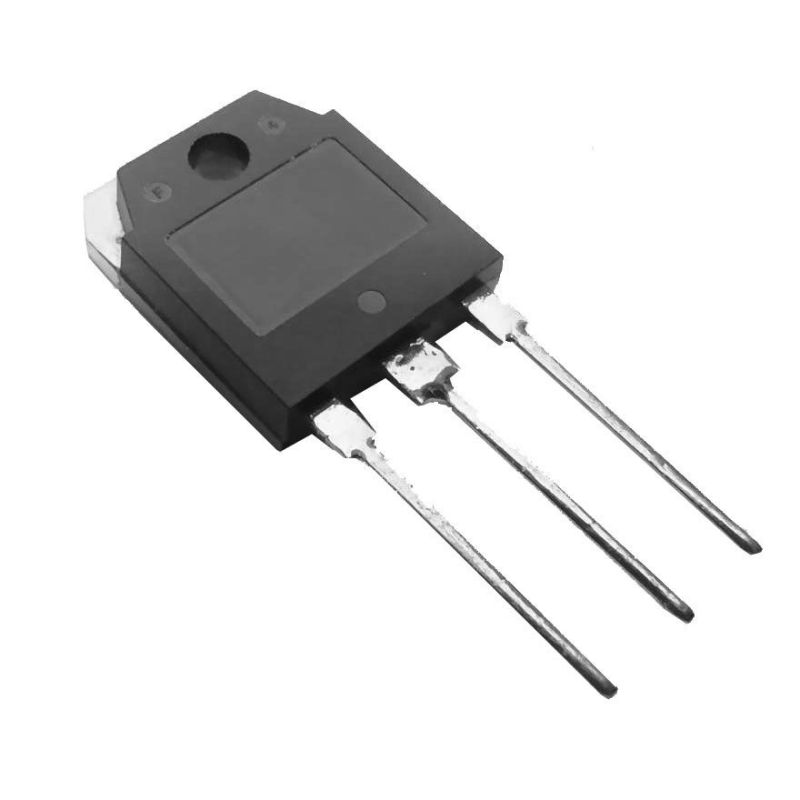
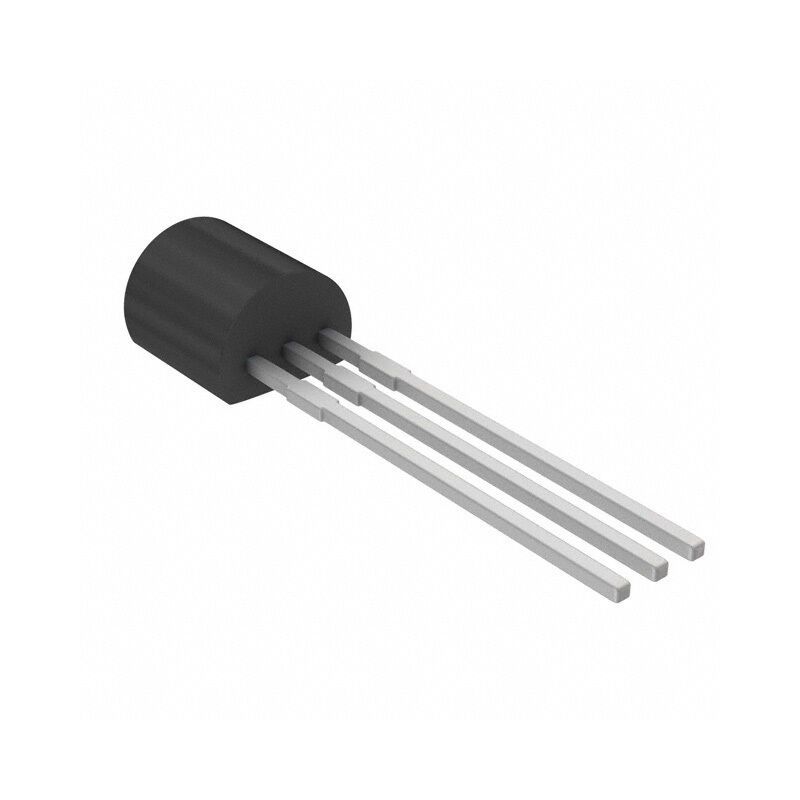
This complementary transistor pair, consisting of the 2SB546A (PNP) and the 2SD401A (NPN), both housed in the TO-220 package, is specifically designed for a wide range of audio amplification and power switching applications. The matched characteristics of this pair ensure symmetrical performance, which is crucial for high-fidelity audio amplifiers and efficient power conversion circuits. The TO-220 package offers excellent thermal dissipation, allowing these transistors to handle significant power levels without overheating. This is particularly important in applications where continuous operation at high currents is required. The 2SB546A and 2SD401A exhibit complementary electrical characteristics, meaning that they are designed to work together in push-pull configurations, commonly used in audio amplifiers and power output stages. Their matched gain and switching speeds contribute to lower distortion and improved efficiency in these applications.
The PNP 2SB546A transistor is designed to conduct when its base is more negative than its emitter, while the NPN 2SD401A transistor conducts when its base is more positive than its emitter. This complementary behavior allows them to switch on and off alternately, amplifying the input signal with minimal distortion. Applications for this transistor pair include audio amplifiers, power supplies, motor control circuits, and general-purpose switching circuits. Their versatility and robust performance make them valuable components in various electronic systems. Whether you're designing a high-end audio amplifier, a reliable power supply, or an efficient motor control system, this transistor pair provides the performance and reliability you need. The TO-220 package simplifies mounting and heat sinking, making it easy to integrate these transistors into existing circuit designs.
Their rugged construction and reliable performance ensure stable operation in demanding environments. Consider the 2SB546A and 2SD401A transistor pair for your next audio or power electronics design and experience the benefits of their matched characteristics. This pair offers a cost-effective solution for applications requiring high-fidelity amplification and efficient power switching. Their robust design and reliable operation make them a trusted choice among engineers and designers. Upgrade your audio amplifiers and power circuits with this complementary transistor pair and achieve enhanced performance and efficiency. Don't settle for less; choose the 2SB546A and 2SD401A for your demanding applications.
Order yours today and unlock the full potential of your electronic designs. Enhance your circuit designs with this reliable transistor pair, optimizing for audio clarity and power handling. Choose the 2SB546A and 2SD401A for demanding amplification and power needs, where matched performance is crucial.
| Product Name | 2SB546A and 2SD401A Complementary Audio Power Transistor Pair (TO-220) |
|---|---|
| SKU | 191826832245 |
| Price | £7.99 |
| 2SB546A and 2SD401A Complementary Audio Power Transistor Pair (TO-220) Color | As per image |
| Category | Transistors |
| Brand | Nikko Electronics ltd |
| Product Code | 191826832245 |
| Availability | Yes |
Shipping cost is based on order value. Just add products to your cart and use the Shipping Calculator to see the shipping price. We want you to be 100% satisfied with your purchase. Items can be returned or exchanged within 30 days of delivery.
The 2SB546A and 2SD401A Complementary Audio Power Transistor Pair is specifically engineered for push-pull output configurations where electrical symmetry is paramount for high-fidelity performance. In a standard Class AB or Class B amplifier circuit, the NPN-type 2SD401A handles the positive half of the audio waveform, while the PNP-type 2SB546A manages the negative half. If these components are not closely matched in terms of gain and switching speed, the resulting output will exhibit significant crossover distortion, which manifests as audible harshness. By using this matched pair, technicians and engineers ensure that the transition between the two transistors is seamless and linear. These transistors are designed with mirrored internal capacitances and response times, which is critical for maintaining phase linearity across the entire audible frequency spectrum. Utilizing the 2SB546A and 2SD401A Complementary Audio Power Transistor Pair ensures that the amplifier maintains its intended damping factor and low total harmonic distortion (THD) specifications, making them ideal for high-end audio restoration and custom amplifier builds where signal integrity is the highest priority.
Effective heat dissipation is critical when deploying the 2SB546A and 2SD401A Complementary Audio Power Transistor Pair in power-intensive circuits. Both transistors are housed in the TO-220 package, which features a metal tab connected internally to the collector. This design allows for a direct thermal path to an external heatsink. When installing the 2SB546A and 2SD401A Complementary Audio Power Transistor Pair, it is essential to use a high-quality thermal interface material, such as silicone grease or a thermal pad, to fill microscopic air gaps between the transistor tab and the heatsink surface. If the transistors are mounted to a shared heatsink, mica or Kapton insulators must be used to prevent a short circuit between the collectors. Monitoring the junction temperature is vital, as excessive heat can lead to thermal runaway, a condition where increased temperature causes higher current flow, leading to further heating and eventual component failure. Proper heatsink sizing ensures that the 2SB546A and 2SD401A Complementary Audio Power Transistor Pair operates within its safe temperature range, significantly extending the operational lifespan of the power stage.
In precision audio and power switching circuits, the DC current gain, or hFE, of the 2SB546A and 2SD401A Complementary Audio Power Transistor Pair plays a decisive role in maintaining DC offset balance. When these transistors are used in the output stage of an amplifier, a significant mismatch in gain between the PNP 2SB546A and the NPN 2SD401A can cause a constant DC voltage to appear at the speaker terminals. This offset can damage sensitive voice coils and reduce the overall dynamic range of the system. The 2SB546A and 2SD401A Complementary Audio Power Transistor Pair is selected for its complementary gain characteristics, ensuring that both sides of the circuit draw current equally under quiescent conditions. This balance is also important for the feedback loop of the amplifier, as it prevents the error correction circuitry from working over-time to compensate for component asymmetry. For professional repairs, using the 2SB546A and 2SD401A Complementary Audio Power Transistor Pair ensures that the circuit operates as the original designers intended, providing a stable, balanced output that is resistant to drift over time and temperature variations.
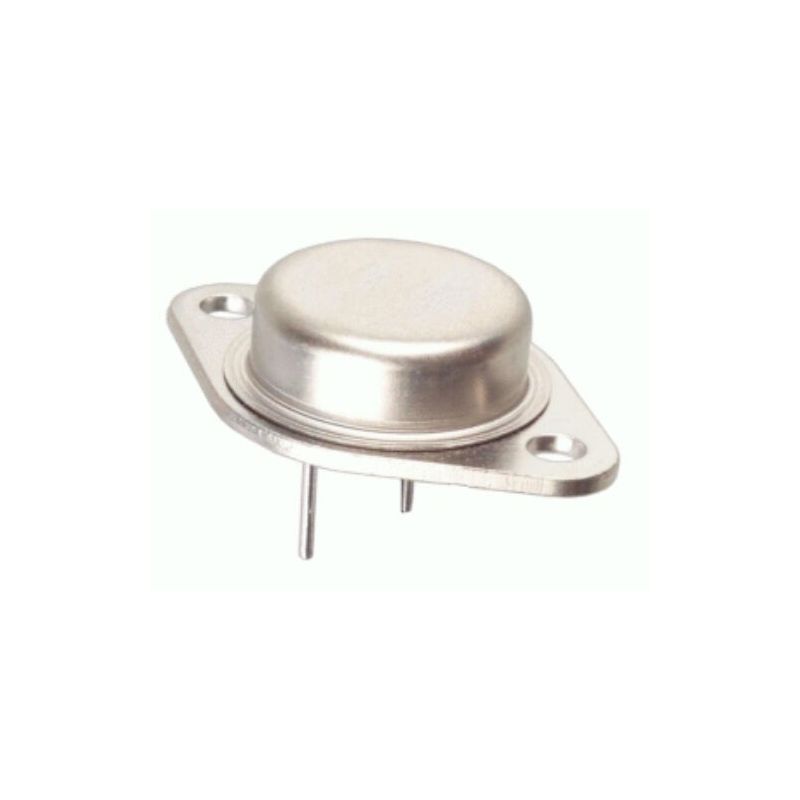
While the 2SB546A and 2SD401A Complementary Audio Power Transistor Pair utilizes the modern TO-220 plastic package, they can often serve as electrical replacements for older TO-66 or even some TO-3 metal can transistors, provided the specifications align. The 2SB546A and 2SD401A are known for their robust voltage and current handling, often meeting or exceeding the ratings of older silicon parts. However, the physical mounting is different. When replacing a metal can transistor with the 2SB546A and 2SD401A Complementary Audio Power Transistor Pair, you must account for the pinout differences; the TO-220 typically follows a Base-Collector-Emitter (BCE) sequence from left to right when facing the labeled side. Additionally, the thermal mass of a TO-220 is lower than a TO-3, so ensuring a solid mechanical connection to a substantial heatsink is mandatory to compensate for the smaller package footprint. Engineers often choose the 2SB546A and 2SD401A Complementary Audio Power Transistor Pair for vintage restorations because they offer modern reliability and tighter manufacturing tolerances than the obsolete components they replace, resulting in a more consistent and reliable repair.
Understanding the Safe Operating Area (SOA) of the 2SB546A and 2SD401A Complementary Audio Power Transistor Pair is essential for preventing catastrophic failure in power supply and amplifier designs. Typically, these transistors are rated for a Collector-Emitter Voltage (Vceo) that allows them to operate safely in medium-voltage rails, often found in 40W to 60W audio amplifiers. The Collector Current (Ic) rating is sufficient for driving standard 4-ohm or 8-ohm speaker loads without reaching saturation or overheating. When designing with the 2SB546A and 2SD401A Complementary Audio Power Transistor Pair, it is crucial to stay well within these maximum limits, especially during peak transient signals. Exceeding the breakdown voltage can cause immediate junction failure, while over-current conditions can lead to internal bond-wire melting. This pair is favored by professionals because of its predictable behavior near its limits, but conservative design practices—such as using 70-80% of the maximum rated values—are recommended for long-term durability. Always consult the specific datasheet parameters for the 2SB546A and 2SD401A Complementary Audio Power Transistor Pair to ensure compatibility with your specific rail voltages.
Although primarily optimized for linear audio amplification, the 2SB546A and 2SD401A Complementary Audio Power Transistor Pair can be effectively used in low-to-medium frequency switching power supplies and DC-to-DC converters. These transistors exhibit a respectable transition frequency (fT), which allows them to switch on and off rapidly enough for many regulated power circuit designs. However, it is important to note that as bipolar junction transistors (BJTs), the 2SB546A and 2SD401A Complementary Audio Power Transistor Pair will have higher switching losses compared to modern power MOSFETs due to storage time and base charge effects. In applications like series pass regulators or motor controllers, the 2SB546A and 2SD401A Complementary Audio Power Transistor Pair excels because of its linear gain characteristics and ruggedness against voltage spikes. When using them for switching, designers should implement proper base drive circuitry to ensure the transistors reach full saturation quickly, minimizing heat generation during the transition states. For audio-related power supplies, this pair is an excellent choice as it helps maintain a low-noise floor and provides the current capability required for dynamic audio peaks.
Before soldering the 2SB546A and 2SD401A Complementary Audio Power Transistor Pair into a circuit, a thorough bench test using a digital multimeter (DMM) in diode-test mode is highly recommended. For the NPN 2SD401A, placing the positive lead on the Base and the negative lead on the Emitter and then the Collector should show a standard forward voltage drop (typically 0.6V to 0.7V). Reversing the leads should show an open circuit. For the PNP 2SB546A, the testing is inverted: the negative lead on the Base should show a forward drop when the positive lead is on the Emitter or Collector. Furthermore, checking for a short circuit between the Collector and Emitter is vital, as this is the most common failure mode for the 2SB546A and 2SD401A Complementary Audio Power Transistor Pair. For more advanced verification, a transistor tester can be used to measure the actual hFE (gain) to ensure the pair is closely matched for the specific requirements of a push-pull circuit. Pre-testing the 2SB546A and 2SD401A Complementary Audio Power Transistor Pair prevents troubleshooting headaches and protects other sensitive components in the circuit from damage during the first power-up.