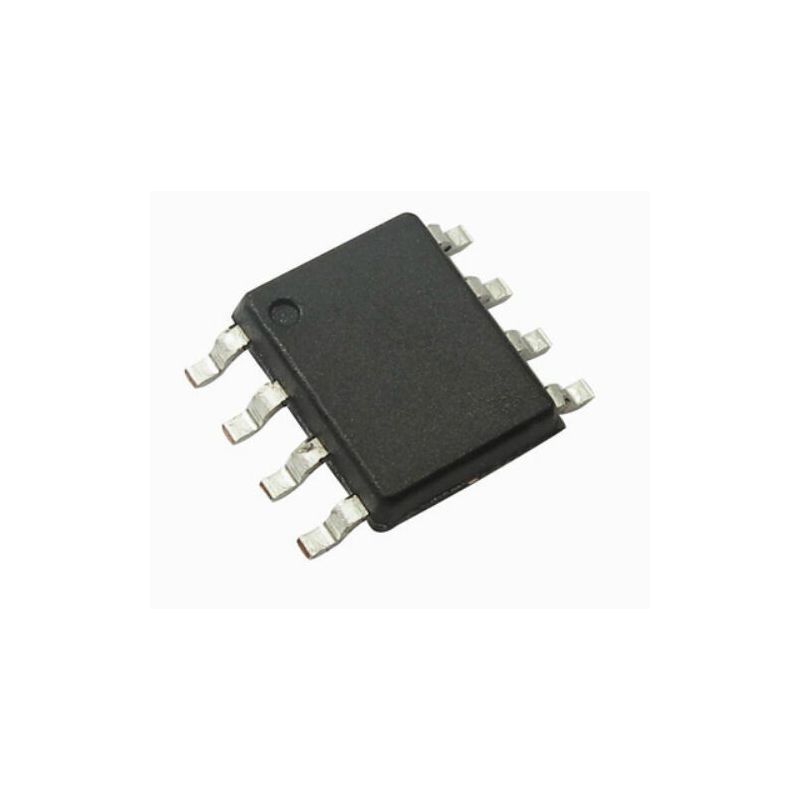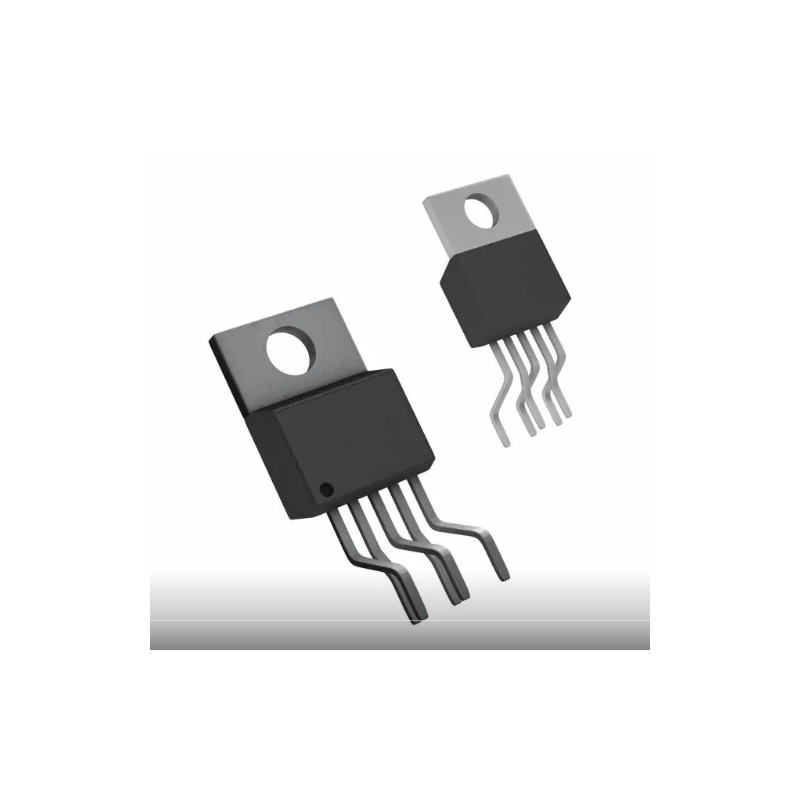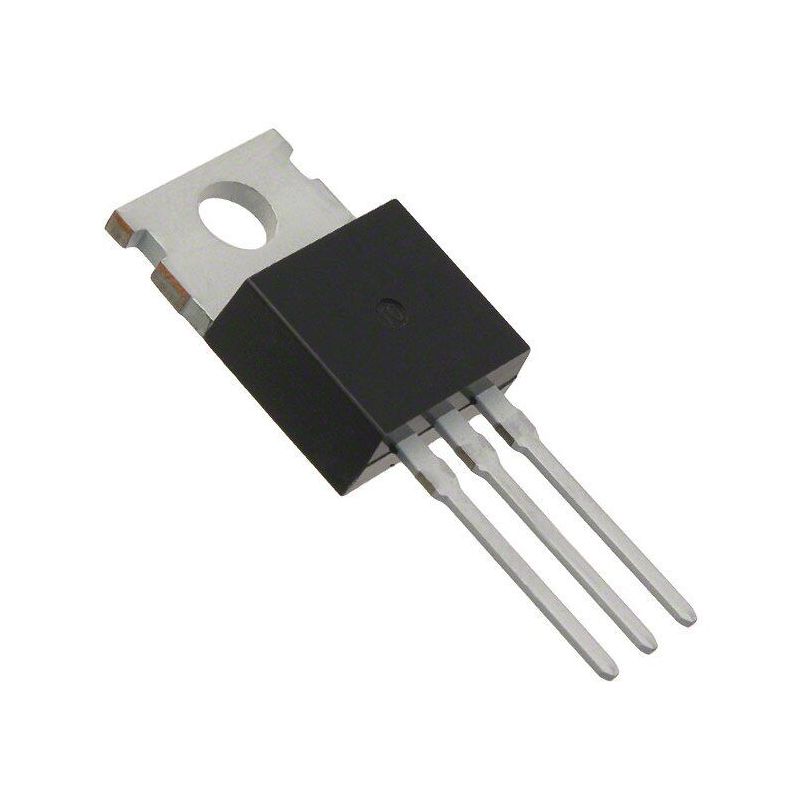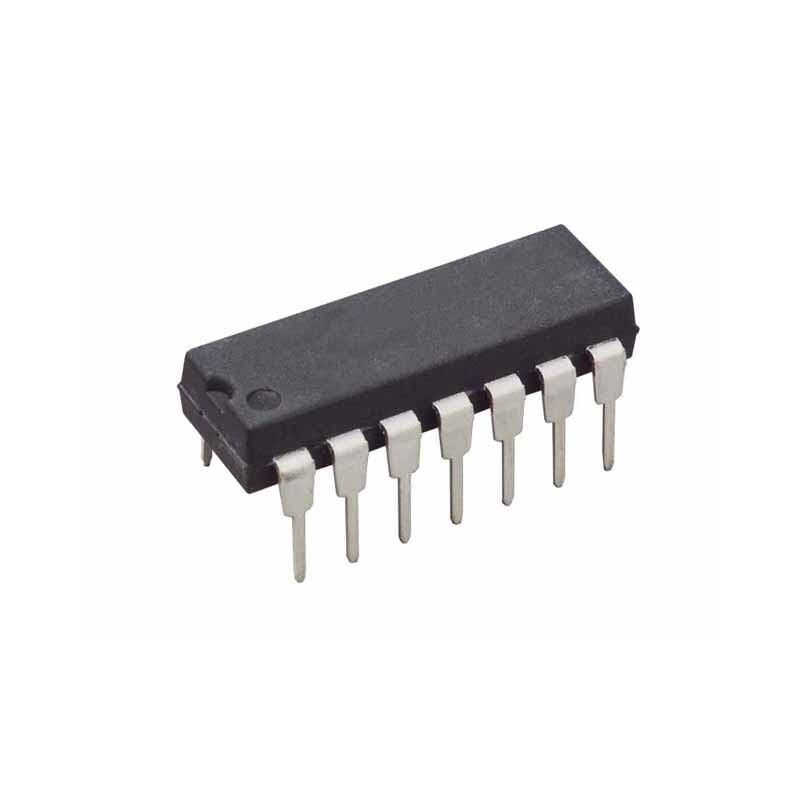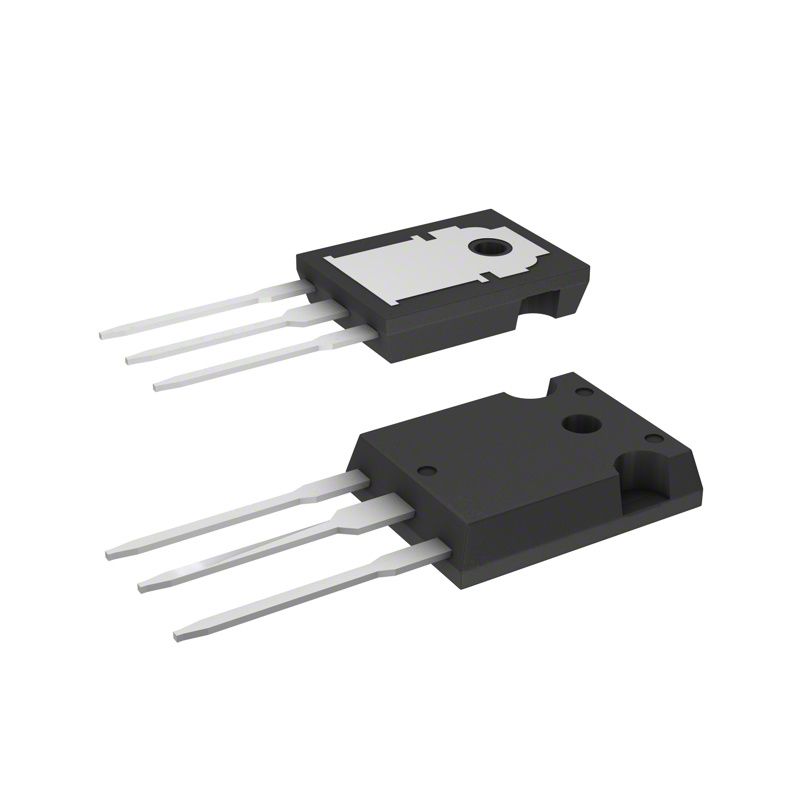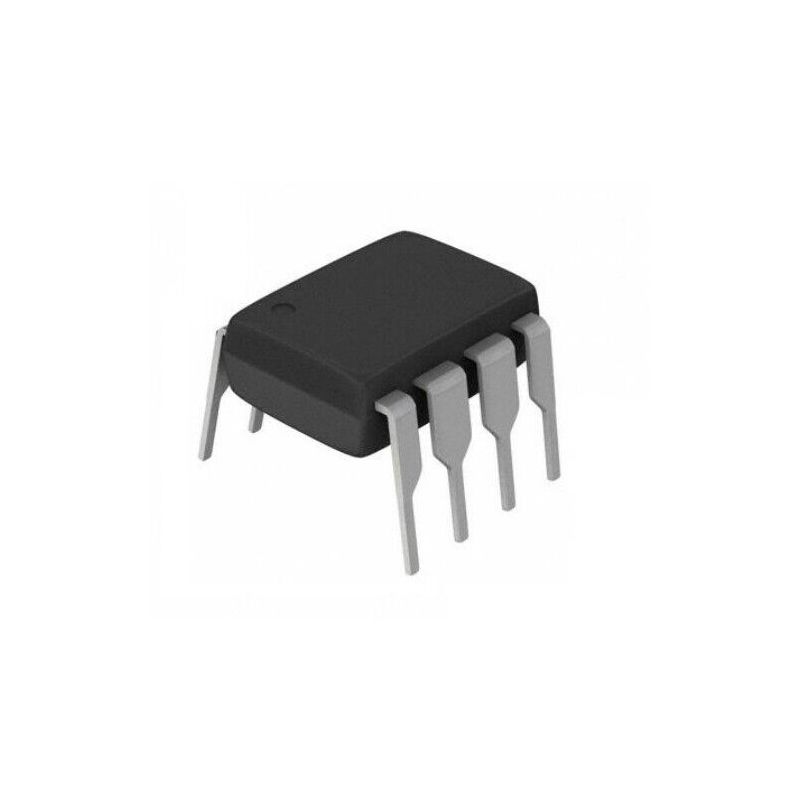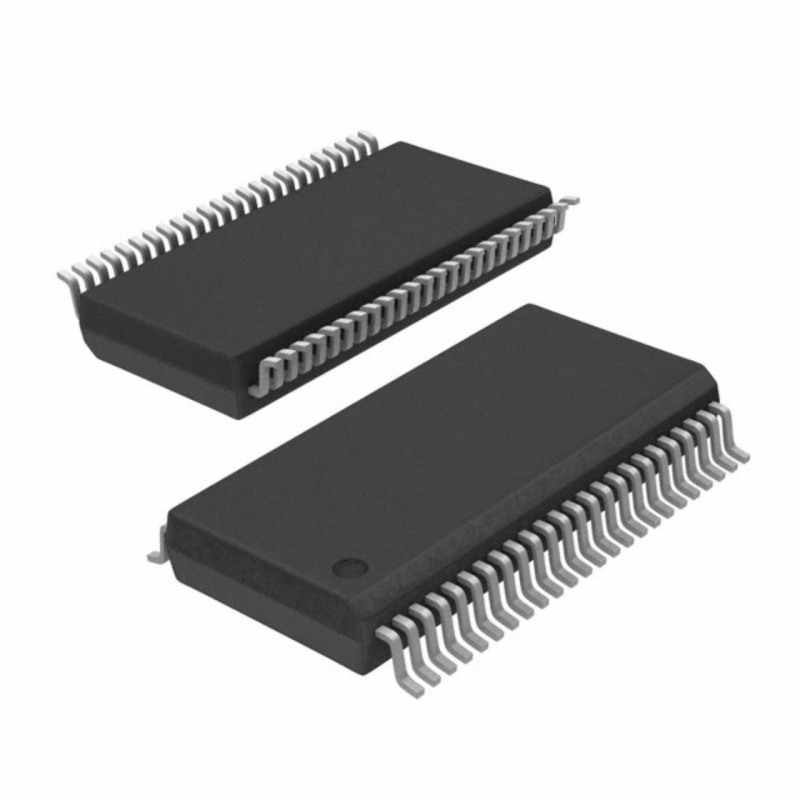


75343P Transistor
35 people are viewing this right now
In Stock
SKU
191077054430
£6.99
Safe Checkout, Guaranteed

Safe Checkout, Guaranteed
The 75343P transistor-semiconductor represents a pivotal component in the realm of electronic circuits, serving as a versatile building block for amplification, switching, and signal processing applications. While the specific characteristics of a “75343P” require further context (manufacturer, specific type - BJT, MOSFET, etc.), we can create a generalized, informative, and SEO-friendly description tailored to its likely function as a transistor. Transistors, the cornerstone of modern electronics, empower countless devices, from smartphones and computers to industrial control systems and power supplies. A “75343P” is likely a discrete semiconductor device designed to control the flow of electrical current. Its functionality stems from its ability to regulate a larger current between two terminals (collector and emitter, or drain and source) based on a smaller control current or voltage applied to a third terminal (base or gate). This inherent amplification capability makes transistors indispensable for boosting weak signals, creating oscillators, and implementing digital logic gates.
Depending on the specific type of transistor (Bipolar Junction Transistor - BJT, or Field-Effect Transistor - FET), the operational principles and application nuances will vary. BJTs are current-controlled devices, while FETs are voltage-controlled. The choice between BJT and FET depends on circuit requirements such as input impedance, switching speed, and power consumption. Transistors serve crucial roles in various applications. In audio amplifiers, they boost weak audio signals to drive speakers. In switching circuits, they act as electronic switches, rapidly turning circuits on and off.
In voltage regulators, they maintain a stable output voltage despite variations in input voltage or load current. The 75343P, based on its datasheet specifications (which should always be consulted for accurate data), will have defined parameters such as maximum voltage and current ratings, power dissipation capabilities, gain (hFE or transconductance), and switching speeds. These parameters dictate the transistor’s suitability for specific applications and operating conditions. When selecting a transistor like the 75343P, engineers consider factors such as the required voltage and current levels, switching speed requirements, power dissipation limits, and operating temperature range. Proper heat sinking is often necessary to dissipate heat generated by the transistor, especially in high-power applications. Always refer to the manufacturer's datasheet for detailed specifications and application guidelines.
Ensure proper biasing to operate the transistor in its active region for amplification or saturation/cutoff regions for switching. Transistors have largely replaced vacuum tubes due to their smaller size, lower power consumption, higher reliability, and lower cost. They are the foundation upon which integrated circuits (ICs) are built, enabling complex and sophisticated electronic systems. Whether you're a seasoned engineer or an electronics hobbyist, understanding transistor operation and characteristics is essential for designing and building effective electronic circuits. Select the 75343P (after verifying its exact specifications from the datasheet) for your project if it meets the necessary voltage, current, gain, and switching speed requirements. Its reliable performance will contribute to the successful implementation of your design.
Equip your workbench with this essential component today and realize the full potential of your electronic creations.
| Product Name | 75343P Transistor |
|---|---|
| SKU | 191077054430 |
| Price | £6.99 |
| 75343P Transistor Color | As per image |
| Category | Integrated Circuits |
| Brand | Nikko Electronics ltd |
| Product Code | 191077054430 |
| Availability | Yes |
Shipping cost is based on order value. Just add products to your cart and use the Shipping Calculator to see the shipping price. We want you to be 100% satisfied with your purchase. Items can be returned or exchanged within 30 days of delivery.
The 75343P Transistor is a highly versatile discrete semiconductor device, making it suitable for a broad range of applications critical to modern electronics. Its core functionality as a transistor allows it to excel in three main areas: amplification, switching, and signal processing. For amplification, the 75343P Transistor can be used in small-signal amplifiers for audio or sensor interfaces, as well as in power amplifier stages for driving motors or loudspeakers. In switching applications, it serves as a fundamental component in digital logic circuits, power management systems, and DC-DC converters, efficiently controlling current flow. Furthermore, its characteristics enable its use in signal processing tasks such as modulation, demodulation, and filtering. The specific performance within these applications will depend on the 75343P Transistor's individual electrical characteristics, such as its current gain, breakdown voltage, and switching speed, which are crucial for designers to consider for optimal circuit integration and performance.
To accurately integrate the 75343P Transistor into your circuit design, understanding its critical electrical specifications is paramount. Key parameters typically include maximum collector-emitter voltage (Vce) or drain-source voltage (Vds), maximum collector current (Ic) or drain current (Id), total power dissipation (Ptot), current gain (hFE for BJTs) or transconductance (gm for MOSFETs), and switching times (tr, tf, td, ts). Since specific manufacturer details for the 75343P Transistor are not provided, the most reliable method to determine these values is to consult the official datasheet from the manufacturer. This document will detail the absolute maximum ratings, electrical characteristics under various test conditions, thermal information, and typical performance curves. These specifications are vital for ensuring the 75343P Transistor operates within its safe operating area, preventing premature failure, and achieving the desired circuit performance in terms of efficiency, speed, and reliability.
The package type of the 75343P Transistor significantly impacts both its thermal management capabilities and the overall PCB layout. Discrete transistors like the 75343P Transistor are commonly available in various packages to suit different power levels and assembly methods. Smaller surface-mount device (SMD) packages such as SOT-23, SOT-223, or DFN/QFN are ideal for compact designs and automated assembly, but they typically have lower power dissipation limits due to their smaller thermal mass. For applications requiring higher power handling, through-hole packages like TO-92, TO-220, or TO-247 are often used. These larger packages offer better thermal resistance and often allow for the attachment of external heat sinks, which is crucial for dissipating heat generated during operation and maintaining the 75343P Transistor within its safe operating temperature range. Proper package selection and effective PCB layout, including adequate copper planes for heat spreading, are essential for the long-term reliability and performance of the 75343P Transistor.
The suitability of the 75343P Transistor for high-frequency switching applications depends critically on its dynamic characteristics. For high-frequency operation, key parameters to evaluate include rise time (tr), fall time (tf), turn-on delay time (td(on)), turn-off delay time (td(off)), and the transition frequency (fT). A lower rise and fall time indicates faster switching, which minimizes power losses during transitions. The transition frequency, fT, defines the frequency at which the current gain drops to unity, offering an indication of the transistor's high-frequency capability. Additionally, parasitic capacitances such as input capacitance (Ciss), output capacitance (Coss), and reverse transfer capacitance (Crss) play a significant role, as they can limit switching speed and introduce losses at higher frequencies. When designing with the 75343P Transistor for high-frequency switching, careful consideration of gate/base drive circuitry, layout to minimize parasitic inductance, and thermal management are essential to maximize efficiency and prevent signal integrity issues.
Proper biasing and driving are fundamental to achieving stable and predictable performance from the 75343P Transistor in any circuit. For linear (amplification) applications, the 75343P Transistor must be biased in its active region, typically requiring a stable DC operating point (Q-point) that allows for maximum undistorted signal swing. This involves setting the correct base current (for BJTs) or gate voltage (for MOSFETs) using resistor networks to establish the desired collector/drain current and voltage. For switching applications, the goal is to drive the 75343P Transistor quickly between its cut-off (OFF) and saturation (ON) regions. This requires a strong base current or gate voltage to fully turn it on, ensuring low ON-state resistance and minimizing power dissipation. Conversely, rapidly pulling the base/gate to ground or a negative voltage ensures a fast turn-off. For power switching, dedicated gate driver ICs may be necessary to provide sufficient current to charge and discharge the input capacitance of the 75343P Transistor quickly, thereby optimizing switching speed and efficiency.
The temperature coefficient significantly influences the performance and long-term reliability of the 75343P Transistor, as many of its electrical characteristics are temperature-dependent. For instance, in a BJT, the current gain (hFE) typically increases with temperature, while the base-emitter voltage (VBE) decreases. In a MOSFET, the threshold voltage (Vth) generally decreases, and the ON-state resistance (RDS(on)) increases with rising temperature. These variations can shift the operating point of the 75343P Transistor, potentially leading to instability or even thermal runaway if not properly managed. Designers must account for these temperature effects by incorporating appropriate biasing schemes, using feedback mechanisms, and most importantly, ensuring adequate thermal management through heat sinks or proper PCB layout. Understanding the 75343P Transistor's thermal impedance and derating curves from its datasheet is crucial for designing robust circuits that maintain stable performance and reliability across the specified operating temperature range.
Proper handling and soldering techniques are crucial for maintaining the integrity and ensuring the long-term reliability of the 75343P Transistor. As a semiconductor device, the 75343P Transistor is susceptible to electrostatic discharge (ESD) damage; therefore, always use ESD-safe workstations, wrist straps, and grounding practices when handling. When soldering, minimize the exposure of the component to high temperatures. Use appropriate soldering iron temperatures and limit the dwell time (typically 3-5 seconds per joint) to prevent thermal stress to the die and package. For through-hole components, avoid excessive bending of leads close to the package body. For surface-mount packages, ensure correct reflow profiles are used, adhering to the manufacturer's recommended temperature curves. After soldering, ensure any flux residue is cleaned appropriately, as some fluxes can be corrosive over time. Following these best practices will help prevent latent defects and ensure the 75343P Transistor performs reliably throughout its expected lifespan.