

TDA4426 RGB Signal Processor IC
31 people are viewing this right now
In Stock
SKU
191233994699
£3.25
Safe Checkout, Guaranteed

Safe Checkout, Guaranteed
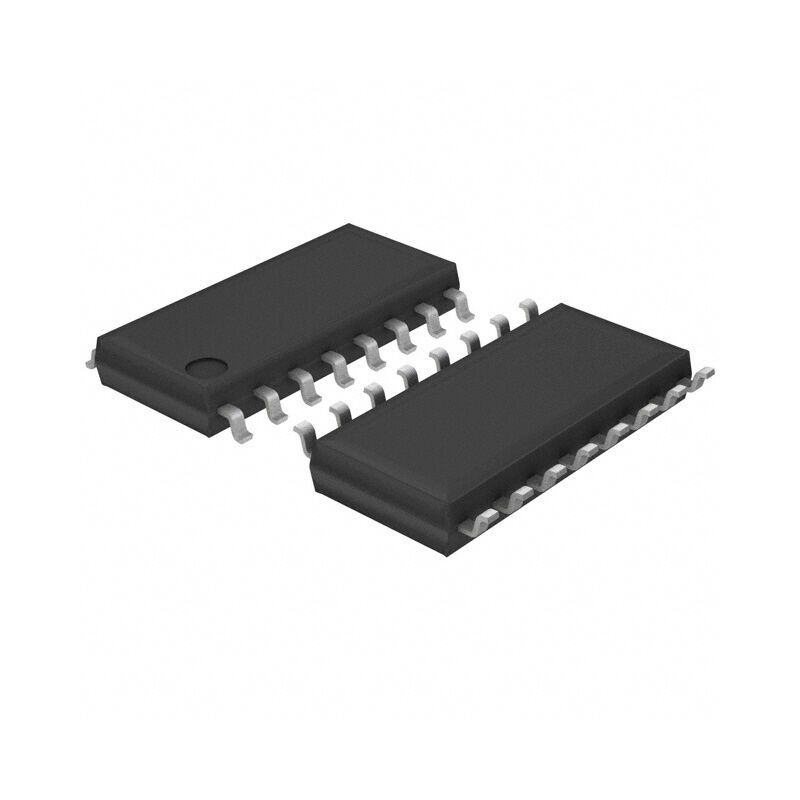
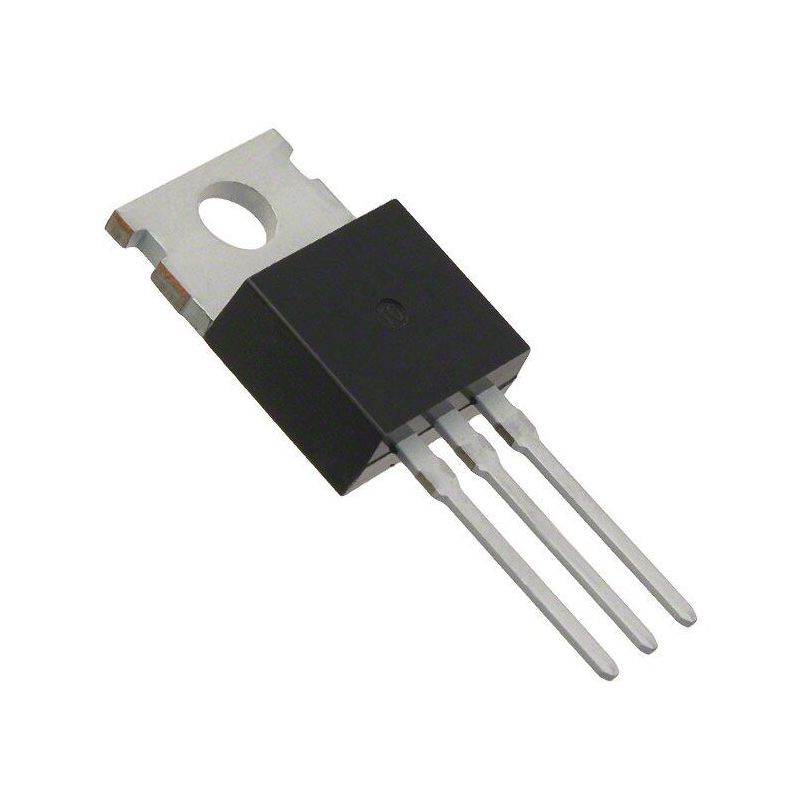
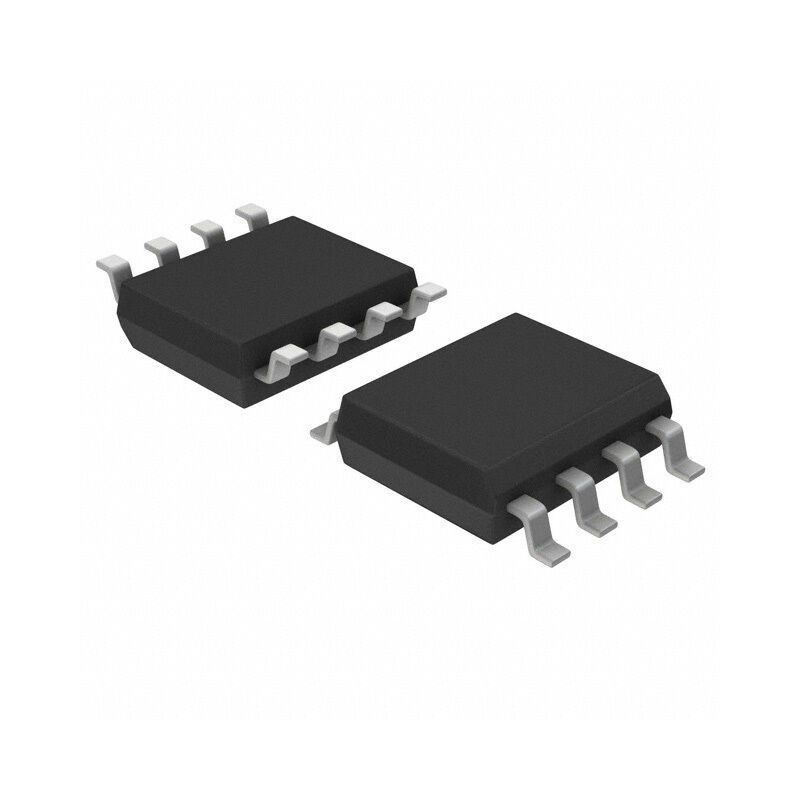
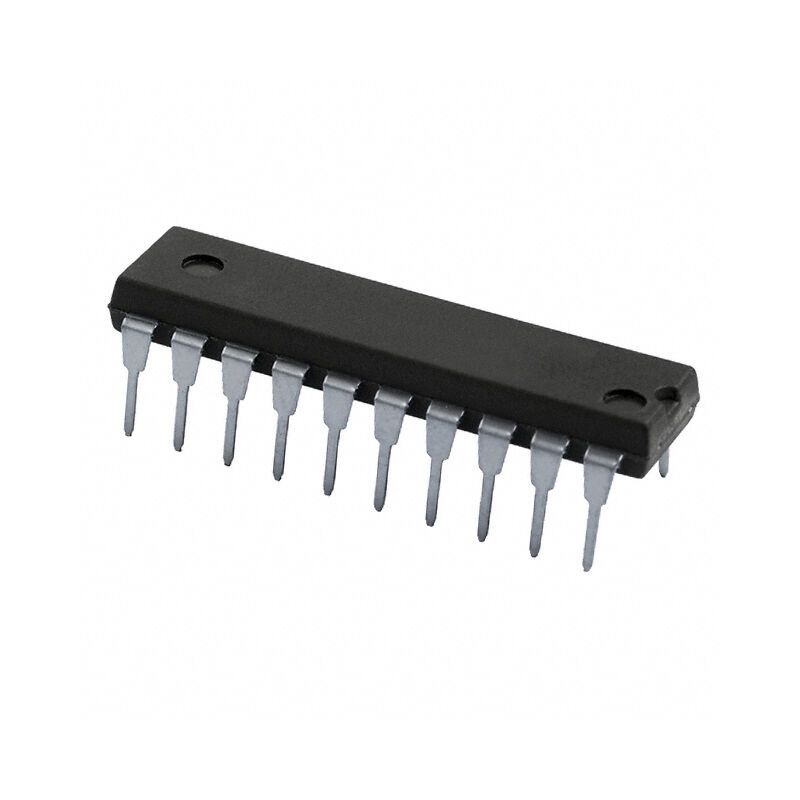
The TDA4426 integrated circuit, presented in a DIP-18 (Dual In-line Package) format, is a specialized component designed for television signal processing, specifically targeting the generation and processing of RGB (Red, Green, Blue) signals within a television receiver. This IC plays a critical role in ensuring accurate color reproduction and image quality on the television screen. The TDA4426 is engineered to handle the complex tasks of color decoding, color difference signal processing, and RGB matrixing. Its internal circuitry is optimized to minimize color distortion and enhance overall image clarity, providing a vibrant and lifelike viewing experience. The DIP-18 package allows for straightforward integration into existing circuit boards, making it an accessible and convenient solution for both hobbyists and professional engineers. Its compact form factor ensures minimal space consumption, facilitating the design of efficient and compact television receivers.
The TDA4426 boasts excellent linearity and low noise characteristics, ensuring accurate color reproduction and minimizing unwanted interference. Its built-in automatic color control (ACC) functionality automatically adjusts the color saturation to maintain consistent color quality, even in the presence of fluctuating input signals. This feature is crucial for ensuring stable color reproduction in environments with varying signal strength. This IC is commonly employed in television sets, video monitors, and other video processing equipment. Its robust design and reliable performance make it a preferred choice for manufacturers seeking to ensure the longevity and quality of their products. The TDA4426 is designed to operate within a wide range of power supply voltages, providing flexibility in different application scenarios.
Its low power consumption contributes to energy efficiency, making it an environmentally conscious choice. Furthermore, the TDA4426 incorporates internal protection mechanisms against overvoltage and short circuits, safeguarding the IC and the surrounding circuitry from damage. This integrated circuit is an essential component for anyone involved in the design and manufacturing of television receivers and video processing equipment. Its ease of use, combined with its exceptional performance, makes it a valuable asset in any electronics project. With the TDA4426, you can achieve superior color reproduction and image quality, ensuring a vibrant and lifelike viewing experience in your electronic devices. Don't settle for dull or distorted colors.
Upgrade your designs with the TDA4426 integrated circuit and experience the difference in performance and reliability. This component offers a cost-effective solution for enhancing the color processing capabilities of your electronic devices. Order your TDA4426 DIP-18 integrated circuit today and start creating high-quality video solutions. This versatile IC is a must-have for any electronics enthusiast or professional involved in video processing and television design. Secure your TDA4426 now and elevate your video electronics projects to new heights, delivering stunning color and image clarity.
| Product Name | TDA4426 RGB Signal Processor IC |
|---|---|
| SKU | 191233994699 |
| Price | £3.25 |
| TDA4426 RGB Signal Processor IC Color | As per image |
| Category | Integrated Circuits |
| Brand | Nikko Electronics ltd |
| Product Code | 191233994699 |
| Availability | Yes |
Shipping cost is based on order value. Just add products to your cart and use the Shipping Calculator to see the shipping price. We want you to be 100% satisfied with your purchase. Items can be returned or exchanged within 30 days of delivery.
The TDA4426 RGB Signal Processor IC is predominantly designed for integration into analog television receivers, specifically optimized for the PAL (Phase Alternating Line) broadcast standard. Its internal architecture, including color decoding and color difference signal processing, is tailored to handle the specific modulation schemes and color subcarrier frequencies characteristic of PAL systems. While it may have some overlap or require external conversion circuitry for partial compatibility with other standards like NTSC or SECAM, its core functionality and optimal performance are achieved within PAL environments. For engineers and technicians working on legacy TV receiver designs or restoration projects, understanding this standard-specific optimization is crucial for proper integration. Utilizing the TDA4426 RGB Signal Processor IC in its intended PAL context ensures accurate color reproduction and stable image quality, avoiding the complexities and potential signal degradation that can arise from attempting to adapt it to fundamentally different broadcast standards without proper external support.
The TDA4426 RGB Signal Processor IC plays a pivotal role in maintaining high image quality by employing sophisticated internal circuitry for color decoding and color difference signal processing. Upon receiving the composite video signal, the IC accurately extracts the color information (chrominance) from the luminance component. It then decodes these color difference signals (U-V or R-Y, B-Y) with precision, ensuring that the original color information is recovered faithfully. The subsequent RGB matrixing stage within the TDA4426 RGB Signal Processor IC converts these color difference signals into the primary Red, Green, and Blue components required by the display. By optimizing these critical processing steps, the IC effectively minimizes common issues like color bleeding, incorrect hue, and saturation errors. This meticulous handling of color data directly translates to a more vibrant, lifelike, and visually accurate picture on the television screen, significantly enhancing the viewer's experience and overall image clarity.
The TDA4426 RGB Signal Processor IC offers advanced capabilities beyond simple RGB matrixing to ensure highly accurate color reproduction. It integrates dedicated color decoding stages that are crucial for separating the chrominance information from the incoming composite video signal. This involves demodulating the color subcarrier to extract the U and V (or R-Y and B-Y) color difference signals. The IC's internal design includes precise filtering and phase detection mechanisms to accurately reconstruct these color components, which are essential for correct hue and saturation. Furthermore, its color difference signal processing optimizes these signals before they are fed into the RGB matrix, compensating for potential signal variations and ensuring linearity. This comprehensive approach by the TDA4426 RGB Signal Processor IC to color decoding and processing minimizes artifacts and maintains color fidelity, which is critical for achieving a true-to-source visual experience and high-quality image output in television receivers.
The DIP-18 (Dual In-line Package) format of the TDA4426 RGB Signal Processor IC offers significant practical advantages, particularly for older circuit board designs, repair, and hobbyist applications. Its through-hole mounting allows for straightforward manual soldering, making it accessible even without specialized surface-mount technology (SMT) equipment. This ease of integration is crucial for maintaining or upgrading legacy television receivers, where original boards often feature through-hole components. Furthermore, the DIP-18 package enhances serviceability; components can be easily removed and replaced using standard desoldering tools, facilitating troubleshooting and repairs. For educational or prototyping purposes, the larger pin pitch and robust construction of the DIP-18 TDA4426 RGB Signal Processor IC allow for convenient breadboard prototyping and easier probing during development. This accessibility and robust physical form factor contribute to its appeal for applications where repairability and ease of handling are paramount.
The TDA4426 RGB Signal Processor IC typically expects a composite video input signal, which includes both luminance (brightness) and chrominance (color) information, often at standard levels like 1Vp-p. This input is usually derived from the tuner and IF (Intermediate Frequency) stages of a television receiver, often after initial video amplification and filtering. The IC requires specific synchronization signals, either integrated within the composite video or provided separately, to ensure stable image processing. On the output side, the TDA4426 RGB Signal Processor IC delivers processed Red, Green, and Blue (RGB) signals, along with possibly a blanking signal. These RGB outputs are typically analog voltage levels, suitable for driving the final video amplifier stages that directly control the electron guns of a CRT (Cathode Ray Tube) display or interface with subsequent digital conversion for modern displays. Careful impedance matching and signal level adherence are critical for optimal performance and to prevent signal degradation when integrating the TDA4426 RGB Signal Processor IC with other components in the video chain.
When utilizing the TDA4426 RGB Signal Processor IC in maintenance or restoration projects for legacy TV systems, long-term reliability and availability are crucial considerations. As a component designed for older analog television technology, its production may have ceased or be limited, making it a potentially 'end-of-life' (EOL) or 'obsolete' part. This implies that new stock may become increasingly scarce over time, driving up prices or leading to reliance on surplus or refurbished components. For critical restorations, securing genuine, new old stock (NOS) TDA4426 RGB Signal Processor ICs is paramount to ensure original performance and reliability. Users should also consider potential substitutes or compatible ICs if direct replacements become unavailable, though this often requires significant circuit modification and validation. Thorough testing of any sourced TDA4426 RGB Signal Processor IC is recommended to mitigate risks associated with aged or non-original parts, ensuring the restored equipment functions optimally for an extended period.
To ensure optimal performance and minimize signal noise when implementing the TDA4426 RGB Signal Processor IC, several design recommendations and pitfalls should be considered. Firstly, a clean and stable power supply is critical; decoupling capacitors should be placed close to the IC's power pins to filter out high-frequency noise. Proper grounding techniques are essential, with separate ground planes for analog video signals and digital/power sections, if applicable, to prevent noise coupling. Input signal paths, particularly the composite video input, should be kept short and shielded to avoid external interference. Output RGB lines should also be impedance-matched and routed carefully to prevent crosstalk and signal reflections before reaching the video amplifiers. Avoiding excessive heat buildup around the TDA4426 RGB Signal Processor IC, though typically a low-power device, contributes to long-term reliability. Lastly, adhering strictly to the manufacturer's recommended external component values and layout guidelines in the datasheet will significantly mitigate common issues like color shifts, snow, or unstable synchronization, ensuring the IC operates within its optimal parameters.