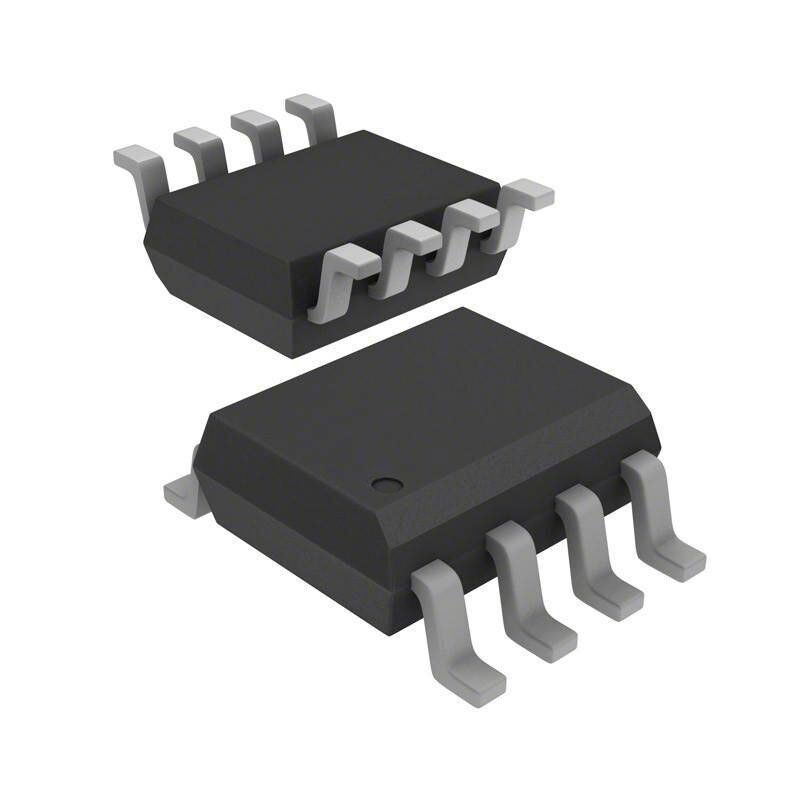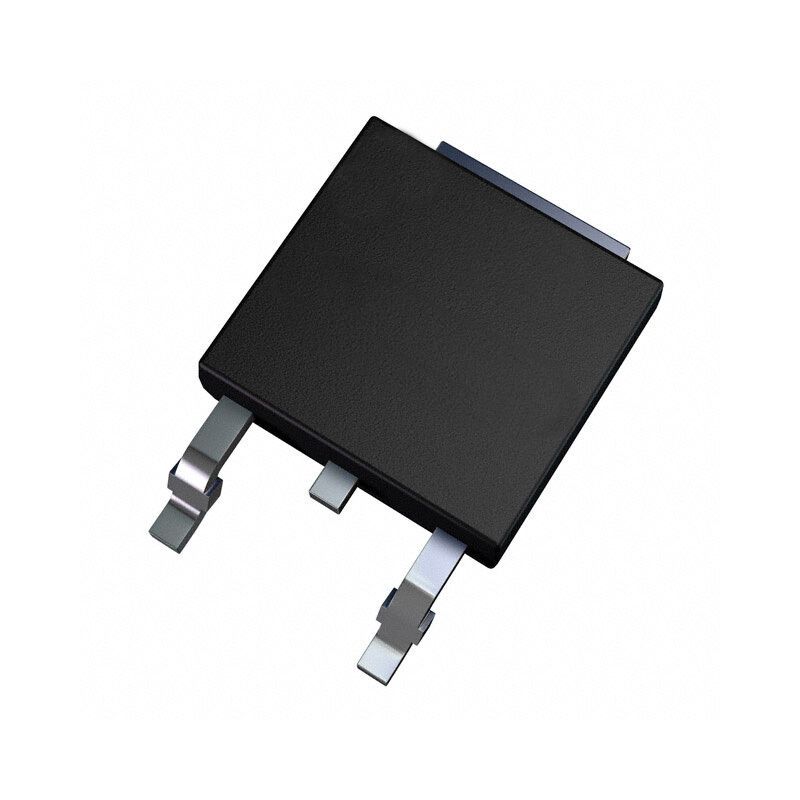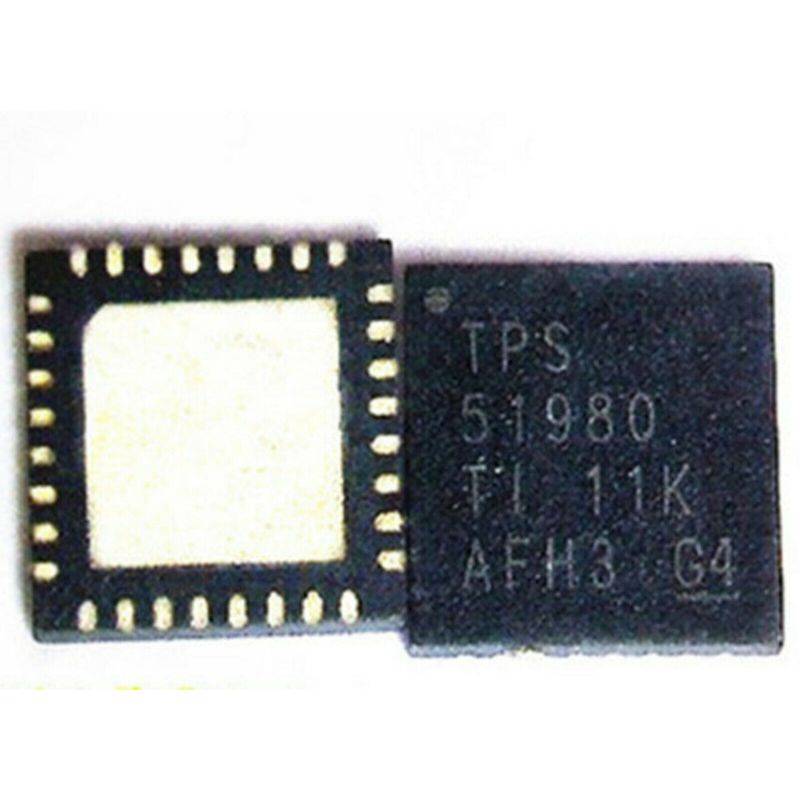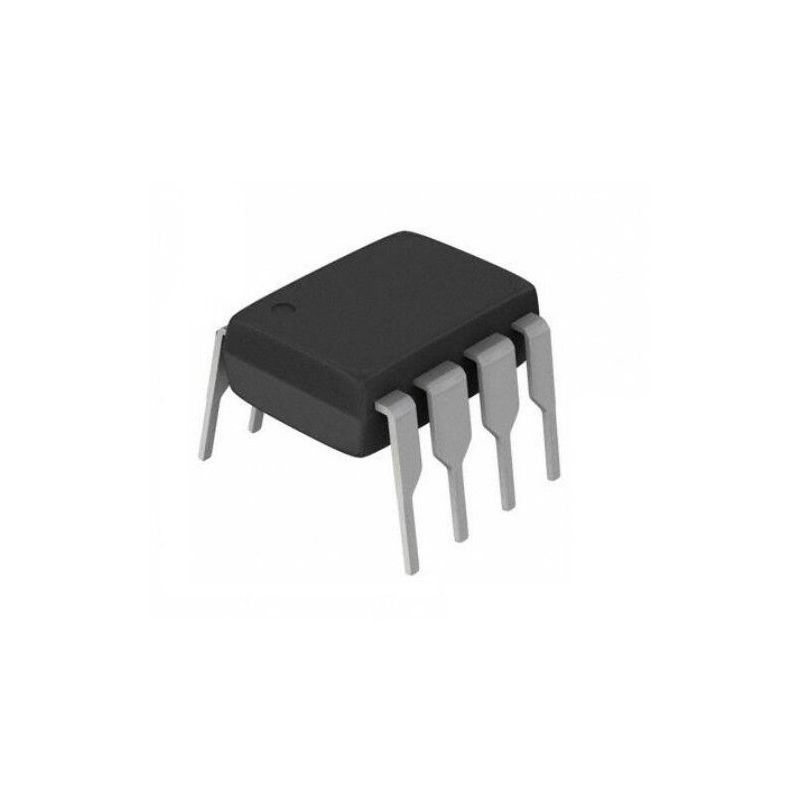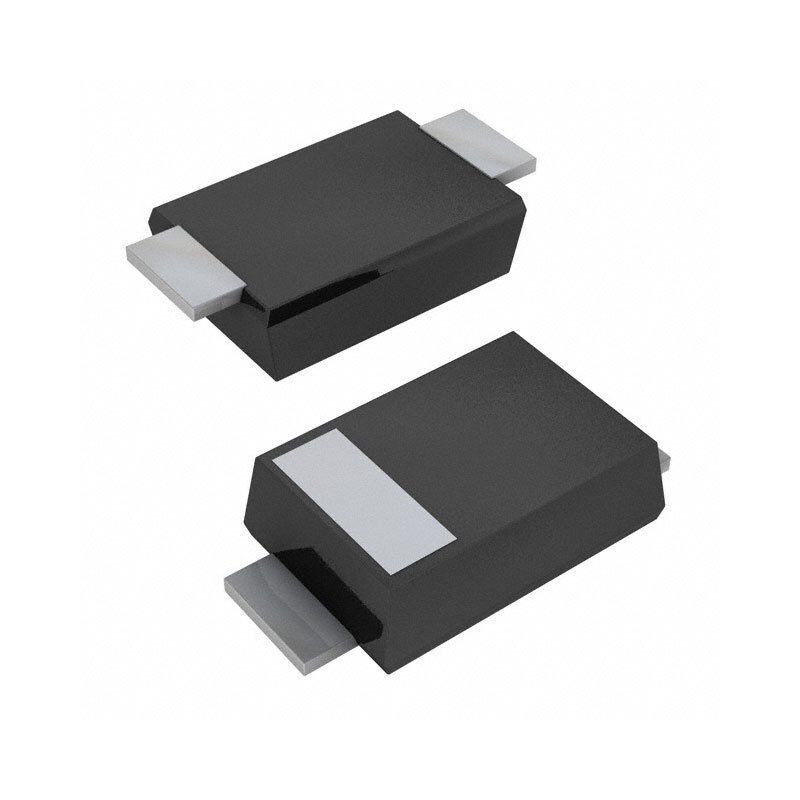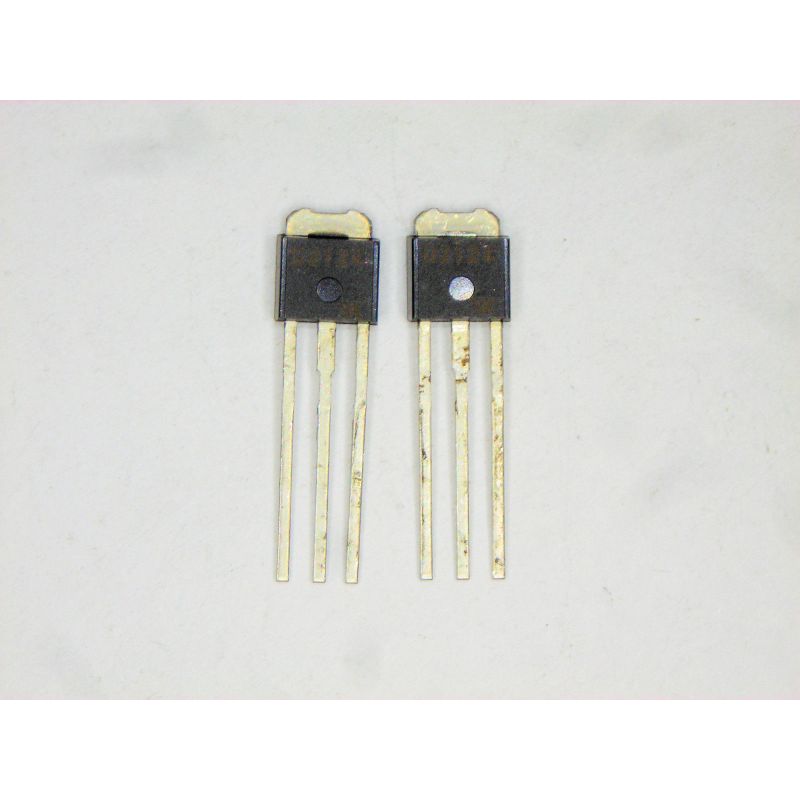
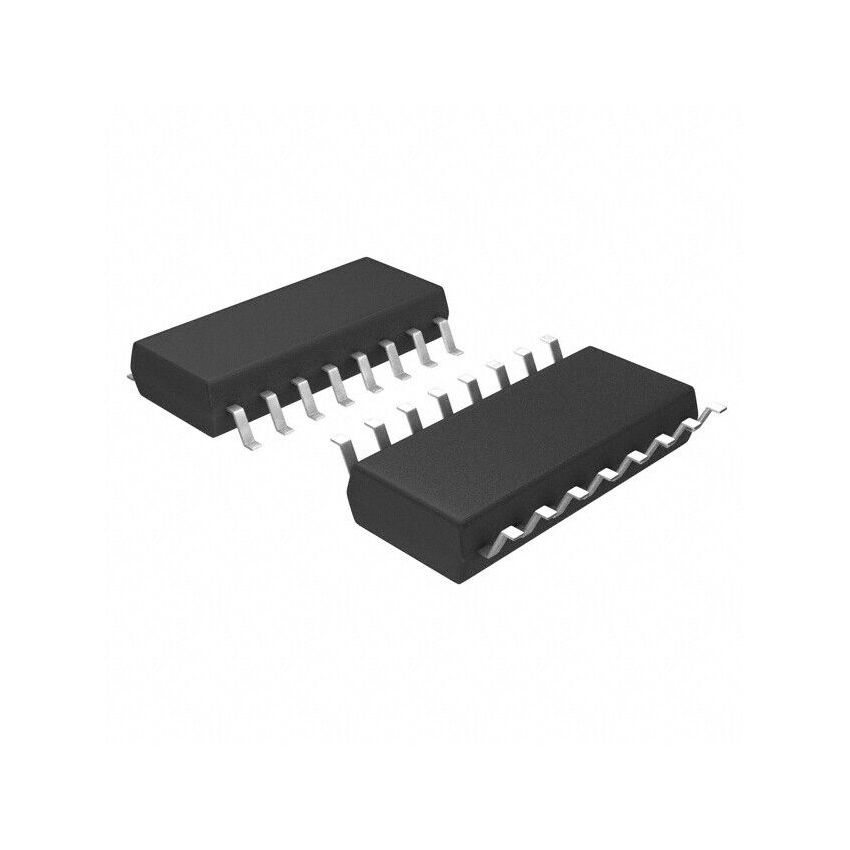

ML6622CS 10BASE-T Ethernet Physical Layer Interface IC, SOP-16 Package (2-Piece Lot)
28 people are viewing this right now
In Stock
SKU
191714373512
£15.88
Safe Checkout, Guaranteed

Safe Checkout, Guaranteed
The G15N60 is a high-performance Insulated Gate Bipolar Transistor (IGBT) designed for high-voltage, high-current switching applications. Encased in a robust TO247-3 package, this IGBT offers excellent thermal performance and reliable operation in demanding environments. The G15N60 is ideal for use in power inverters, motor drives, uninterruptible power supplies (UPS), and other high-power switching circuits. Its low saturation voltage and fast switching speed contribute to high efficiency and reduced power dissipation. The TO247-3 package facilitates easy mounting and heat sinking, ensuring optimal thermal management. The G15N60 features a high breakdown voltage, providing protection against voltage spikes and ensuring reliable operation.
Its wide operating temperature range allows for use in various environmental conditions. This IGBT is a cost-effective solution for a variety of power electronics applications, offering a balance of performance, reliability, and affordability. Whether you're designing a new power converter or upgrading an existing system, the G15N60 provides a dependable and efficient solution. Its versatility and robust design make it a popular choice among power electronics engineers. Explore the possibilities with the G15N60 and unlock the potential of your power electronic designs. Its high voltage capability, high current handling, and fast switching speed make it an ideal choice for a wide range of applications.
Upgrade your projects with the G15N60 and experience the difference in performance and reliability. Order yours today and take your power electronic designs to the next level. Don't miss out on the opportunity to enhance your projects with this exceptional IGBT. Invest in the G15N60 and witness the improvement in your power electronic systems. Add to cart now and start building smarter, more efficient power devices. This IGBT transistor is perfect for applications requiring high voltage and high current switching.
Get yours today and see the difference. Experience the power and reliability of the G15N60 IGBT transistor. Its robust design and exceptional performance make it the perfect choice for demanding applications. Don't settle for less – choose the G15N60 and take your power electronics projects to the next level. Order now and unleash the full potential of your designs. With its high voltage capability and fast switching speed, the G15N60 is the ideal solution for power inverters, motor drives, and UPS systems.
Upgrade your projects today and experience the difference!
| Product Name | ML6622CS 10BASE-T Ethernet Physical Layer Interface IC, SOP-16 Package (2-Piece Lot) |
|---|---|
| SKU | 191714373512 |
| Price | £15.88 |
| ML6622CS 10BASE-T Ethernet Physical Layer Interface IC, SOP-16 Package (2-Piece Lot) Color | As per image |
| Category | Integrated Circuits |
| Brand | Nikko Electronics ltd |
| Product Code | 191714373512 |
| Availability | Yes |
Shipping cost is based on order value. Just add products to your cart and use the Shipping Calculator to see the shipping price. We want you to be 100% satisfied with your purchase. Items can be returned or exchanged within 30 days of delivery.
The ML6622CS 10BASE-T Ethernet Physical Layer Interface IC is a specialized high-speed CMOS component designed to handle the physical layer (PHY) requirements of 10Mbps Ethernet communications. It primarily functions as the bridge between the Media Access Control (MAC) layer and the actual twisted-pair medium. In networking hardware, the ML6622CS 10BASE-T Ethernet Physical Layer Interface IC performs critical tasks such as Manchester encoding and decoding, clock recovery, and signal filtering. It is engineered to manage the Signal Quality Error (SQE) test, link integrity testing, and jabber control, which prevents a single station from monopolizing the network due to a hardware malfunction. Because it is built on a high-performance CMOS process, it offers low power consumption while maintaining the high drive capability necessary for driving 100-ohm unshielded twisted-pair (UTP) cables. Engineers typically utilize this IC in legacy networking hubs, industrial Ethernet bridges, and embedded systems where reliable, standard-compliant 10BASE-T connectivity is required without the overhead of more complex Gigabit architectures.
When designing a circuit board for the ML6622CS 10BASE-T Ethernet Physical Layer Interface IC, signal integrity and electromagnetic interference (EMI) management are paramount. Since this IC handles high-frequency differential signals, the traces connecting the ML6622CS 10BASE-T Ethernet Physical Layer Interface IC to the isolation transformer must be kept as short and symmetrical as possible to maintain 100-ohm differential impedance. It is highly recommended to place decoupling capacitors (typically 0.1µF ceramic) extremely close to the VCC pins to minimize switching noise. Designers should avoid running high-speed digital traces directly under the ML6622CS 10BASE-T Ethernet Physical Layer Interface IC to prevent crosstalk. A solid ground plane is essential for stable operation, but the area beneath the magnetic components (transformers) should be cleared of copper to improve isolation and reduce parasitic capacitance. Proper termination resistors must be selected according to the datasheet specifications to ensure the ML6622CS 10BASE-T Ethernet Physical Layer Interface IC matches the line impedance, preventing signal reflections that could lead to packet loss or CRC errors.
The ML6622CS 10BASE-T Ethernet Physical Layer Interface IC comes in a standard SOP-16 (Small Outline Package), which is ideal for automated surface-mount technology (SMT) assembly. For reliable performance, the reflow soldering profile should follow the JEDEC J-STD-020 standards, ensuring that the peak package body temperature does not exceed the limits specified for CMOS devices. During the soldering process of the ML6622CS 10BASE-T Ethernet Physical Layer Interface IC, it is important to control the ramp-up and cool-down rates to avoid thermal shock to the internal silicon die. Since this is a lot of 2 units, hobbyists or repair technicians performing manual soldering should use a temperature-controlled soldering station set between 320°C and 350°C, applying heat for no more than three seconds per pin. The SOP-16 footprint provides a good balance between component density and ease of inspection. After assembly, it is wise to clean any residual flux around the ML6622CS 10BASE-T Ethernet Physical Layer Interface IC to prevent leakage currents, which can interfere with the sensitive analog front-end of the transceiver.
The ML6622CS 10BASE-T Ethernet Physical Layer Interface IC is traditionally a 5V CMOS device, reflecting the standards of the era in which 10BASE-T was the dominant networking protocol. When integrating the ML6622CS 10BASE-T Ethernet Physical Layer Interface IC into modern designs that primarily use 3.3V microcontrollers or FPGAs, level shifting may be required on the digital I/O pins, such as the Transmit Data (TXD) and Receive Data (RXD) lines. Operating the ML6622CS 10BASE-T Ethernet Physical Layer Interface IC outside of its specified voltage range can lead to unreliable link states or failure to meet the IEEE 802.3 signal amplitude requirements. It is crucial to consult the specific datasheet for the 'CS' variant to confirm the absolute maximum ratings. Generally, providing a dedicated, filtered 5V LDO (Low Dropout Regulator) for the ML6622CS 10BASE-T Ethernet Physical Layer Interface IC is the best practice to ensure that the analog transceiver sections have enough headroom to generate the standard-compliant differential voltages required for robust Ethernet communication over long cable runs.
When troubleshooting a system using the ML6622CS 10BASE-T Ethernet Physical Layer Interface IC, the most common issues are related to link establishment and signal integrity. If the link LED fails to illuminate, the first step is to check the 20MHz crystal oscillator circuit connected to the ML6622CS 10BASE-T Ethernet Physical Layer Interface IC; if the clock is unstable or missing, the IC cannot perform Manchester encoding. Another common failure point is the external isolation transformer or 'magnetics.' If the ML6622CS 10BASE-T Ethernet Physical Layer Interface IC becomes excessively hot, it may indicate a short circuit in the differential output or a latch-up condition caused by voltage spikes on the network line. Technicians should verify that the termination resistors are within the 1% tolerance required for Ethernet. If the ML6622CS 10BASE-T Ethernet Physical Layer Interface IC is receiving data but cannot transmit, the TXENABLE line should be probed to ensure the MAC is correctly signaling the PHY. Since this product is supplied as a lot of 2, swapping the IC is a viable diagnostic step to rule out silicon damage from ESD or surge events.
The ML6622CS 10BASE-T Ethernet Physical Layer Interface IC includes integrated circuitry for collision detection, which is a fundamental requirement of the CSMA/CD (Carrier Sense Multiple Access with Collision Detection) protocol used in half-duplex Ethernet. It monitors the medium while transmitting; if it detects that another station is transmitting simultaneously, the ML6622CS 10BASE-T Ethernet Physical Layer Interface IC asserts the Collision (COL) signal to the MAC layer. Furthermore, the IC features a Signal Quality Error (SQE) or 'heartbeat' function. After every successful transmission, the ML6622CS 10BASE-T Ethernet Physical Layer Interface IC sends a short pulse on the COL line to inform the MAC that the collision detection circuitry is functional. This level of hardware-based monitoring ensures that the network remains efficient and that the data link layer can respond appropriately to network congestion. For developers, understanding how the ML6622CS 10BASE-T Ethernet Physical Layer Interface IC manages these signals is key to configuring the MAC registers for either 'SQE Enabled' or 'SQE Disabled' modes depending on whether a hub or a switch is being used.
Purchasing the ML6622CS 10BASE-T Ethernet Physical Layer Interface IC as a lot of 2 provides significant advantages for both production and maintenance. In a professional repair environment, having a second ML6622CS 10BASE-T Ethernet Physical Layer Interface IC on hand allows for immediate verification if a replacement part was potentially damaged during the delicate desoldering and resoldering process. For engineers working on prototypes, the lot of 2 ensures that a spare is available if the first ML6622CS 10BASE-T Ethernet Physical Layer Interface IC is compromised during high-voltage testing or accidental short-circuiting. Furthermore, many industrial networking devices use multiple ports; having a pair of ML6622CS 10BASE-T Ethernet Physical Layer Interface ICs allows for the simultaneous repair of dual-channel interfaces. This packaging also offers better value for money, reducing the per-unit shipping cost and ensuring that the technician has matching batch codes for consistent electrical characteristics across multiple repairs. For legacy equipment maintenance, where parts can be difficult to source, stocking the ML6622CS 10BASE-T Ethernet Physical Layer Interface IC in pairs is a strategic choice for long-term hardware support.