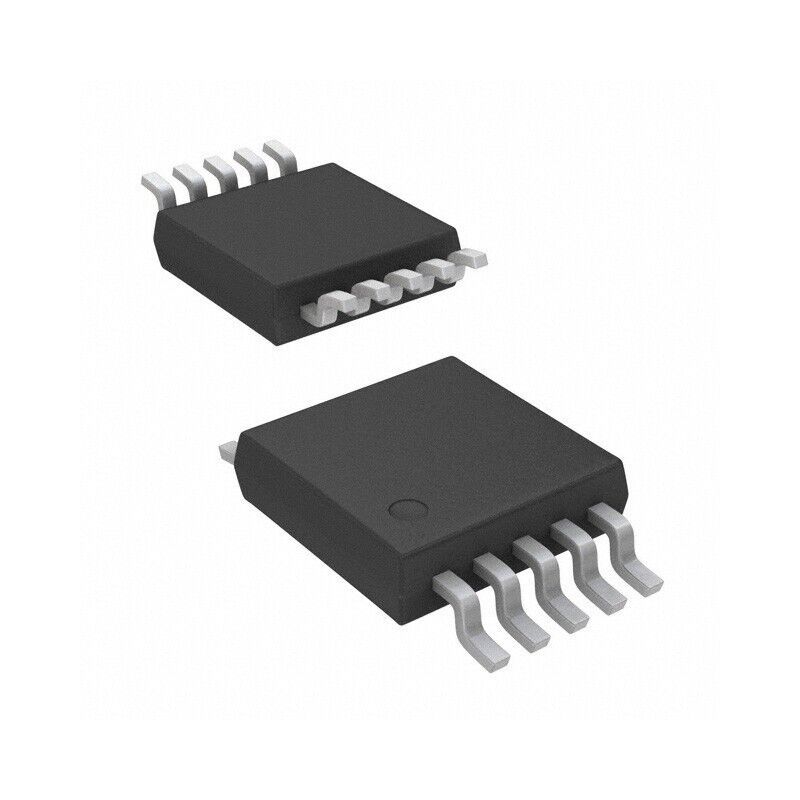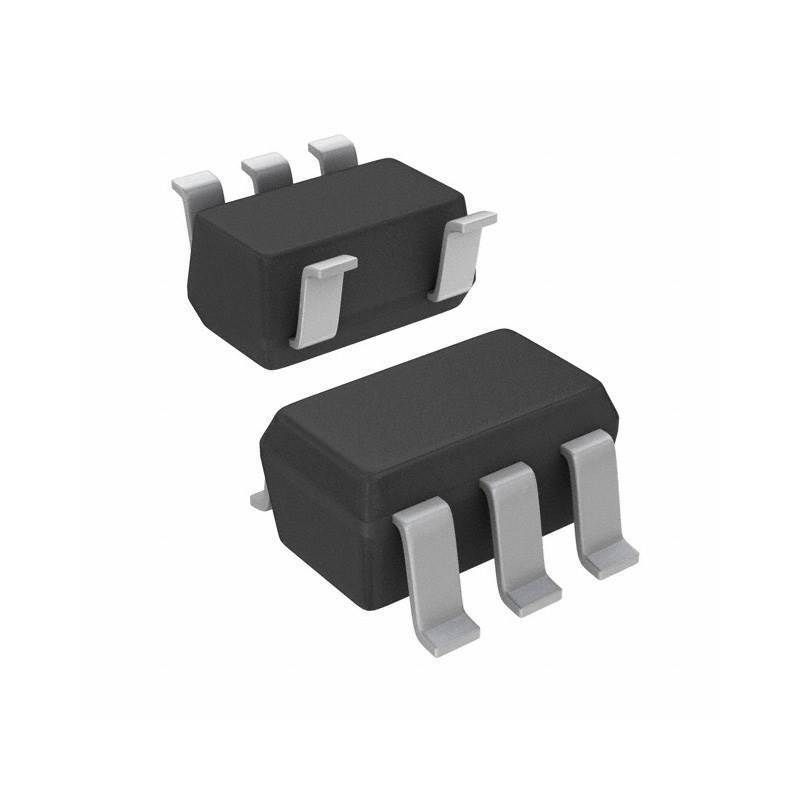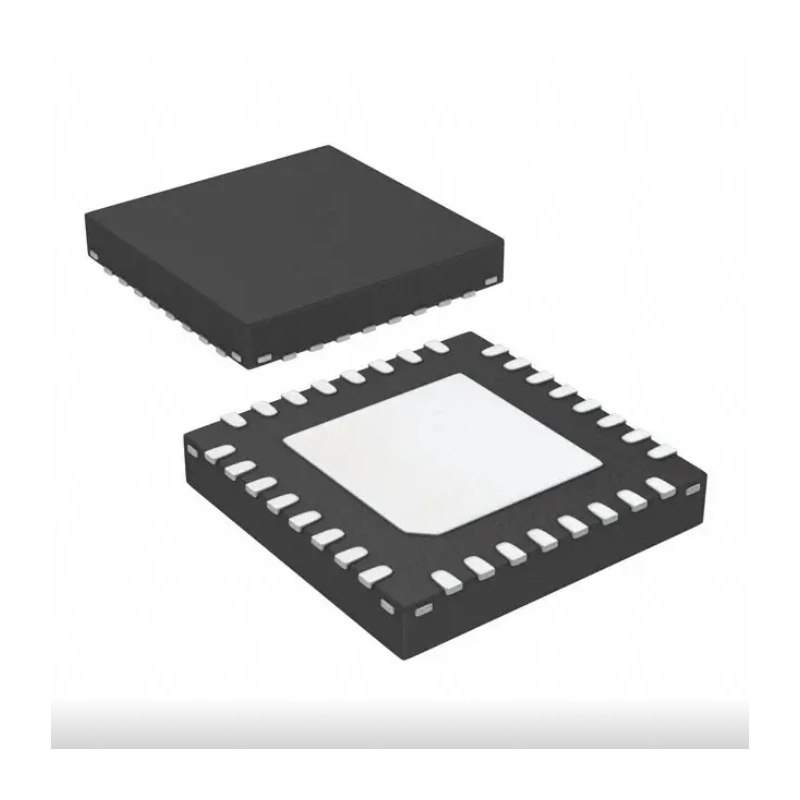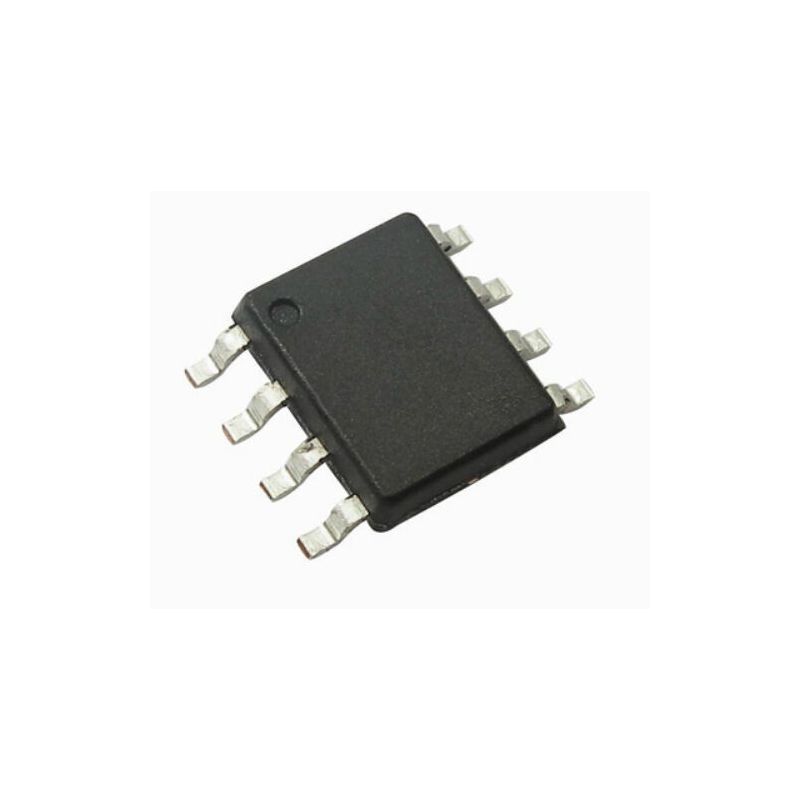


MMBF4393 N-Channel Switching JFET (SOT-23)
43 people are viewing this right now
In Stock
SKU
191714380228
£11.49
Safe Checkout, Guaranteed

Safe Checkout, Guaranteed
The IRF9513 is a P-Channel Power MOSFET designed for high-efficiency power switching applications. Encased in the industry-standard TO-220 package, this MOSFET offers excellent thermal performance and ease of mounting. The IRF9513 is ideal for use in DC-DC converters, motor drives, power amplifiers, and other power management circuits. Its low on-resistance (RDS(on)) minimizes power dissipation and improves overall efficiency. The TO-220 package facilitates easy mounting and heat sinking, ensuring optimal thermal management. The IRF9513 features a high breakdown voltage, providing protection against voltage spikes and ensuring reliable operation.
Its fast switching speed allows for high-frequency operation and reduced switching losses. This MOSFET is a cost-effective solution for a variety of power electronics applications, offering a balance of performance, reliability, and affordability. Whether you're designing a new power supply or upgrading an existing system, the IRF9513 provides a dependable and efficient solution. Its versatility and robust design make it a popular choice among power electronics engineers. Explore the possibilities with the IRF9513 and unlock the potential of your power electronic designs. Its low on-resistance, high breakdown voltage, and fast switching speed make it an ideal choice for a wide range of applications.
Upgrade your projects with the IRF9513 and experience the difference in performance and reliability. Order yours today and take your power electronic designs to the next level. Don't miss out on the opportunity to enhance your projects with this exceptional Power MOSFET. Invest in the IRF9513 and witness the improvement in your power electronic systems. Add to cart now and start building smarter, more efficient power devices. This Power MOSFET is perfect for applications requiring high efficiency and low power dissipation.
Get yours today and see the difference. Experience the power and reliability of the IRF9513 Power MOSFET. Its robust design and exceptional performance make it the perfect choice for demanding power switching applications. Don't settle for less – choose the IRF9513 and take your power electronics projects to the next level. Order now and unleash the full potential of your designs. With its low on-resistance and fast switching speed, the IRF9513 is the ideal solution for DC-DC converters, motor drives, and power amplifiers.
Upgrade your projects today and experience the difference!
| Product Name | MMBF4393 N-Channel Switching JFET (SOT-23) |
|---|---|
| SKU | 191714380228 |
| Price | £11.49 |
| MMBF4393 N-Channel Switching JFET (SOT-23) Color | As per image |
| Category | FET |
| Brand | Nikko Electronics ltd |
| Product Code | 191714380228 |
| Availability | Yes |
Shipping cost is based on order value. Just add products to your cart and use the Shipping Calculator to see the shipping price. We want you to be 100% satisfied with your purchase. Items can be returned or exchanged within 30 days of delivery.
The MMBF4393 N-Channel Switching JFET (SOT-23) is specifically engineered for high-speed chopper and analog switching applications where low capacitance and fast transition times are critical. As a depletion-mode device, it remains in a conducting state at zero gate-source voltage (VGS = 0V), making it an excellent choice for fail-safe signal paths. One of its standout features is the low Drain-Source ON Resistance (RDS(on)), typically rated at a maximum of 100 ohms, which minimizes signal attenuation and insertion loss during conduction. Furthermore, the device exhibits very low input capacitance (Ciss) and reverse transfer capacitance (Crss), which are essential for maintaining signal integrity at higher frequencies and ensuring rapid switching speeds. When designing with the MMBF4393 N-Channel Switching JFET (SOT-23), engineers value its ability to transition between the 'on' and 'off' states with minimal charge injection, a common issue in MOSFET-based switches. This makes it a preferred component for precision sample-and-hold circuits, commutators, and low-level signal steering where high-speed performance must be balanced with low distortion and high reliability in a compact SOT-23 form factor.
Integrating the MMBF4393 N-Channel Switching JFET (SOT-23) into a digital control environment requires a clear understanding of its gate-source cutoff voltage, which typically ranges from -0.5V to -3.0V. Since this is an N-channel depletion-mode JFET, a negative voltage relative to the source must be applied to the gate to pinch off the channel and stop conduction. For engineers using standard CMOS or TTL logic, this often necessitates a level-shifting circuit or a negative power rail to ensure the device can be fully turned off. If the control voltage does not sufficiently exceed the VGS(off) threshold, the JFET may remain in a partially conductive state, leading to leakage currents and circuit malfunction. The MMBF4393 N-Channel Switching JFET (SOT-23) is favored because its cutoff range is relatively narrow compared to other JFETs in its class, allowing for more predictable design parameters. When selecting this component for high-volume manufacturing, the consistency of the VGS(off) ensures that the switching thresholds remain stable across different production lots, reducing the need for individual circuit trimming and enhancing the overall efficiency of the power management or signal processing system.
Yes, the MMBF4393 N-Channel Switching JFET (SOT-23) is the industry-standard surface-mount (SMD) equivalent to the widely used 2N4393 JFET, which is typically found in a TO-92 package. From an electrical standpoint, the MMBF4393 N-Channel Switching JFET (SOT-23) maintains the same core specifications, including the 30V breakdown voltage (V(BR)GSS) and the 350mW power dissipation rating. This transition to the SOT-23 package is vital for modern PCB designs that prioritize miniaturization and automated assembly. While the electrical characteristics are identical, designers must account for the different thermal profiles associated with surface-mount technology. The SOT-23 package relies on the PCB copper traces for heat dissipation, whereas the TO-92 package dissipates heat into the surrounding air. However, for most low-power switching and amplification tasks, the MMBF4393 N-Channel Switching JFET (SOT-23) performs seamlessly in place of its through-hole predecessor. It offers the same low-noise performance and high input impedance that made the 2N4393 a staple in the industry, but with the added benefits of reduced parasitic inductance and a significantly smaller footprint suitable for dense, high-performance electronic assemblies.
The MMBF4393 N-Channel Switching JFET (SOT-23) is rated for a maximum power dissipation (PD) of 350mW at an ambient temperature of 25°C. Because the SOT-23 is a small-outline package, effective thermal management is crucial to prevent junction temperatures from exceeding the maximum rating of 150°C. The thermal resistance from junction to ambient (RθJA) is typically around 357°C/W, meaning that for every watt of power dissipated, the junction temperature rises significantly above the ambient environment. When the MMBF4393 N-Channel Switching JFET (SOT-23) is used in applications requiring continuous conduction or high-frequency switching, designers should implement generous copper pours around the drain and source pads to act as a heat sink. It is also important to derate the power dissipation linearly as the ambient temperature increases. For instance, if the operating environment reaches 75°C, the allowable power dissipation for the MMBF4393 N-Channel Switching JFET (SOT-23) will be substantially lower than the 350mW peak. Proper thermal layout not only ensures the longevity of the JFET but also maintains the stability of its electrical parameters, such as RDS(on) and gate leakage, which are temperature-dependent.
In high-impedance applications, such as pH sensor interfaces, piezoelectric transducers, or precision buffers, the gate leakage current (IGSS) of the JFET is a paramount specification. The MMBF4393 N-Channel Switching JFET (SOT-23) features an exceptionally low IGSS, typically measured in the picoampere range (max 100pA at 25°C). This low leakage ensures that the JFET does not load the signal source, thereby preserving the integrity of the input voltage and preventing measurement errors. When using the MMBF4393 N-Channel Switching JFET (SOT-23) as an input stage, the high input impedance (often exceeding 10^12 ohms) allows it to interface with very sensitive transducers without drawing significant current. This is a distinct advantage over bipolar transistors, which require base current to operate. Furthermore, the MMBF4393 N-Channel Switching JFET (SOT-23) provides low 1/f noise, which is essential for low-frequency analog signal processing. By minimizing both the current noise (due to low leakage) and the voltage noise, this JFET enables the design of ultra-quiet preamplifiers and buffers that are essential in medical instrumentation, high-end audio, and precision laboratory equipment.
The 30V gate-source breakdown voltage (V(BR)GSS) of the MMBF4393 N-Channel Switching JFET (SOT-23) provides a robust safety margin for a wide variety of industrial and consumer electronics. In switching applications, the device must be able to withstand the potential differences between the gate control signal and the drain/source voltages without undergoing avalanche breakdown. A 30V rating makes the MMBF4393 N-Channel Switching JFET (SOT-23) suitable for systems operating on standard 12V, 15V, or even 24V rails, provided that transients are well-managed. However, designers must remain cautious of voltage spikes or inductive kickback that could exceed this 30V limit. When the MMBF4393 N-Channel Switching JFET (SOT-23) is used in environments prone to electrical noise or unstable power supplies, it is common practice to include external clamping diodes or transient voltage suppressors (TVS) to protect the sensitive gate oxide. This voltage headroom, combined with the device's N-channel characteristics, ensures reliable long-term operation in demanding applications such as motor control signal routing, industrial automation sensors, and power supply monitoring circuits where durability and voltage tolerance are required.
In analog multiplexing and signal switching, the RDS(on) of the MMBF4393 N-Channel Switching JFET (SOT-23) is a primary factor in determining the linearity and total harmonic distortion (THD) of the signal path. With a maximum RDS(on) of 100 ohms, the MMBF4393 N-Channel Switching JFET (SOT-23) provides a relatively low-impedance path that minimizes signal loss. However, JFET resistance is not perfectly linear; it can vary slightly with the instantaneous voltage of the signal being switched, a phenomenon known as modulation of the channel resistance. To mitigate this effect and ensure high-fidelity signal transmission, the MMBF4393 N-Channel Switching JFET (SOT-23) should be operated such that the signal voltage is small relative to the pinch-off voltage, or by using a constant gate-to-source drive circuit. Because the MMBF4393 N-Channel Switching JFET (SOT-23) has a very low interelectrode capacitance, the phase shift and frequency-dependent distortion are kept to a minimum, even at the edges of the video frequency spectrum. This makes it an ideal choice for high-quality audio switchers, video routers, and data acquisition systems where maintaining the original waveform's purity is essential for accurate data processing and sound reproduction.