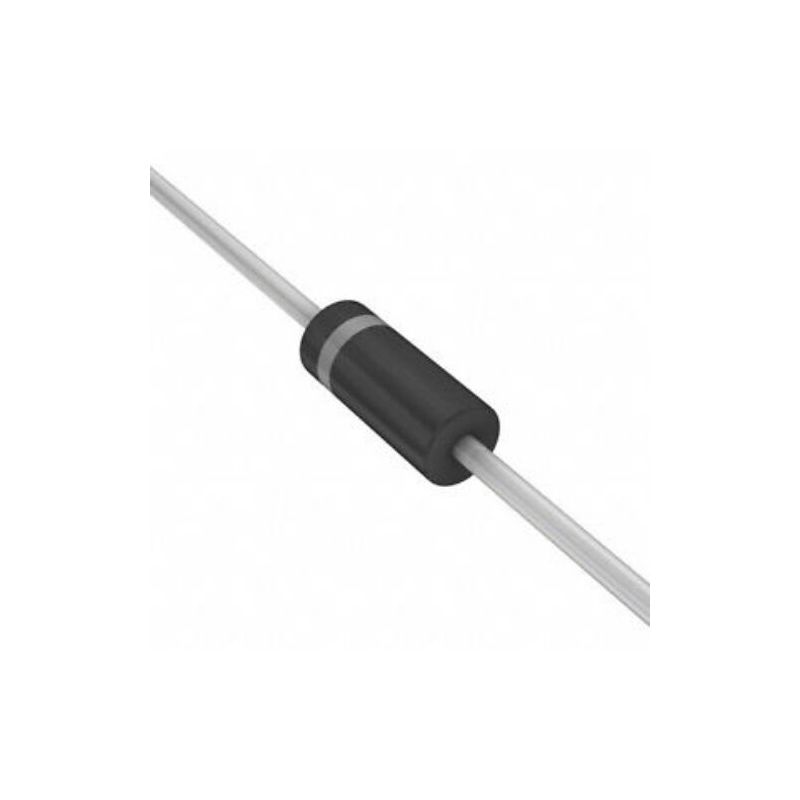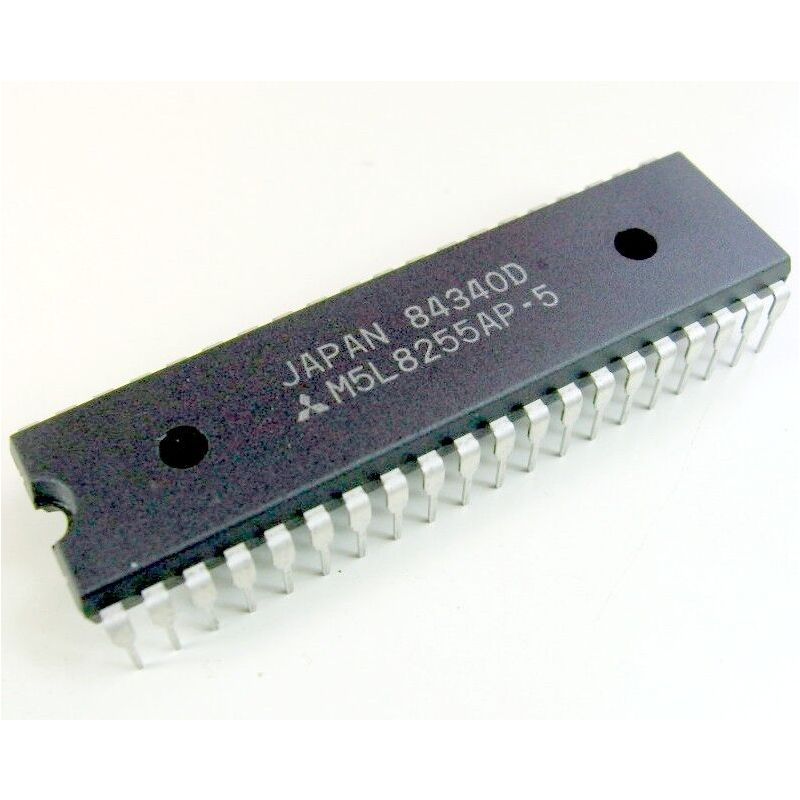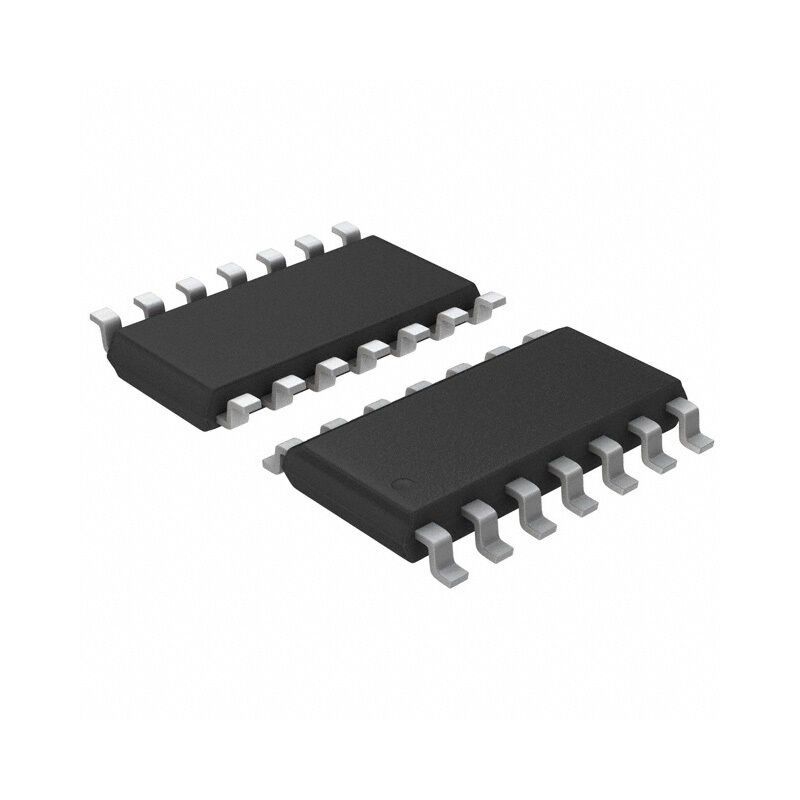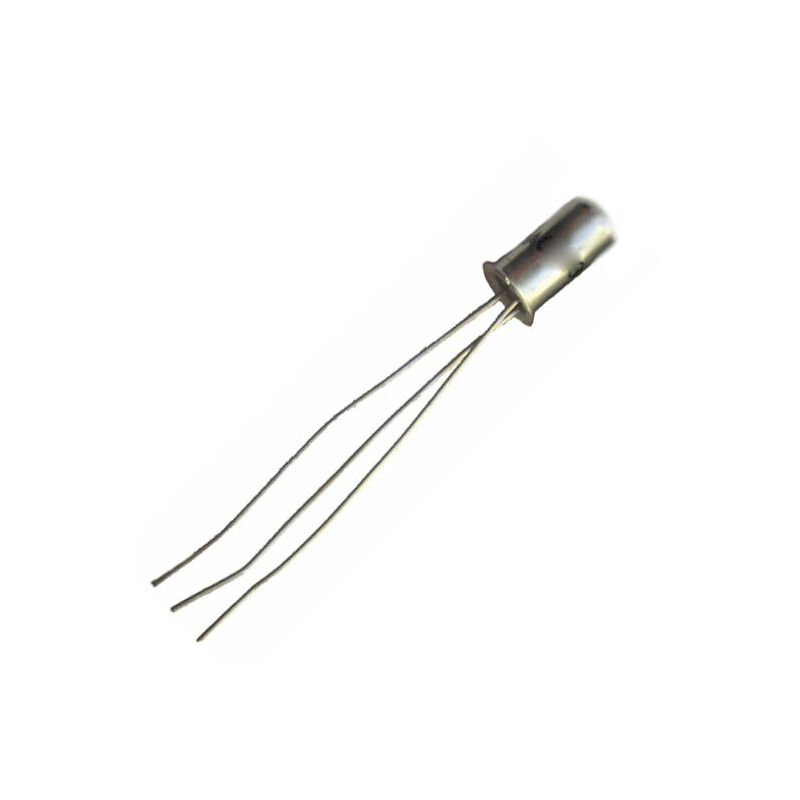


MMBTA14 NPN Darlington Transistor SOT-23
31 people are viewing this right now
In Stock
SKU
191714393172
£1.35
Safe Checkout, Guaranteed

Safe Checkout, Guaranteed
The ML6622CS is a highly versatile and reliable surface-mount device (SMD) integrated circuit housed in a compact SOP-16 (Small Outline Package) package. This IC is engineered for a wide range of applications, offering exceptional performance and stability in diverse electronic systems. Its small form factor makes it ideal for space-constrained designs, while its robust construction ensures long-term reliability. The ML6622CS boasts low power consumption, contributing to energy efficiency in battery-powered devices and other power-sensitive applications. Its wide operating voltage range provides flexibility in circuit design, accommodating various power supply configurations. This integrated circuit features excellent noise immunity, ensuring accurate and consistent performance even in noisy environments.
The SOP-16 package facilitates easy soldering and integration into automated assembly processes, reducing manufacturing costs and improving production efficiency. The ML6622CS is commonly used in communication equipment, industrial control systems, consumer electronics, and automotive applications. Its high-speed switching capabilities make it suitable for data transmission and signal processing tasks. The integrated protection circuitry safeguards against overvoltage and overcurrent conditions, enhancing the overall system reliability. The ML6622CS is manufactured using advanced semiconductor technology, ensuring consistent performance and adherence to strict quality standards. Its wide operating temperature range allows for reliable operation in harsh environments.
This integrated circuit is a cost-effective solution for a variety of electronic design needs, offering a balance of performance, reliability, and affordability. Whether you're designing a new product or upgrading an existing system, the ML6622CS provides a dependable and efficient solution. Its versatility and robust design make it a popular choice among engineers and hobbyists alike. Explore the possibilities with the ML6622CS and unlock the potential of your electronic designs. Its compact size, low power consumption, and high performance make it an ideal choice for a wide range of applications. Upgrade your projects with the ML6622CS and experience the difference in performance and reliability.
Order yours today and take your electronic designs to the next level. Don't miss out on the opportunity to enhance your projects with this exceptional integrated circuit. Invest in the ML6622CS and witness the improvement in your electronic systems. Add to cart now and start building smarter, more efficient devices.
| Product Name | MMBTA14 NPN Darlington Transistor SOT-23 |
|---|---|
| SKU | 191714393172 |
| Price | £1.35 |
| MMBTA14 NPN Darlington Transistor SOT-23 Color | As per image |
| Category | Transistors |
| Brand | Nikko Electronics ltd |
| Product Code | 191714393172 |
| Availability | Yes |
Shipping cost is based on order value. Just add products to your cart and use the Shipping Calculator to see the shipping price. We want you to be 100% satisfied with your purchase. Items can be returned or exchanged within 30 days of delivery.
The MMBTA14 NPN Darlington Transistor SOT-23 is specifically designed for applications requiring exceptionally high current gain. Unlike standard BJTs, which might offer an hFE between 100 and 300, the Darlington configuration of the MMBTA14 NPN Darlington Transistor SOT-23 provides a minimum DC current gain often exceeding 10,000 or even 20,000 at specific collector currents. This allows the component to drive relatively large loads using only a tiny amount of base current, typically in the microampere range. For engineers, this means the MMBTA14 NPN Darlington Transistor SOT-23 can be interfaced directly with low-power microcontrollers or CMOS logic gates without the need for an intermediate driver stage. This high sensitivity makes it ideal for touch-sensitive circuits, relay drivers, and LED control where the available input signal is extremely weak. However, users should account for the higher base-emitter saturation voltage (VBE) inherent to the Darlington pair when calculating biasing resistors.
When integrating the MMBTA14 NPN Darlington Transistor SOT-23 into space-constrained designs, it is critical to understand its VCE(sat) characteristics. Because it uses a Darlington configuration (two transistors cascaded), the MMBTA14 NPN Darlington Transistor SOT-23 exhibits a higher saturation voltage than a single BJT, typically around 1.5V at higher collector currents. This increased voltage drop across the collector and emitter results in higher power dissipation (P = VCE * IC) within the small SOT-23 package. Designers must ensure that the total power dissipation does not exceed the package limit, usually around 350mW, depending on the ambient temperature and PCB copper area. If the MMBTA14 NPN Darlington Transistor SOT-23 is used to switch currents near its maximum rating (typically 300mA to 500mA), thermal throttling or heat-induced failure can occur if the board layout does not provide adequate thermal relief. Monitoring the junction temperature is essential for long-term reliability in high-duty-cycle switching environments.
While the MMBTA14 NPN Darlington Transistor SOT-23 is a powerhouse for current gain, it is not optimized for high-speed or high-frequency switching applications above a few hundred kilohertz. The Darlington pair structure inherently suffers from slower turn-off times because the first transistor cannot quickly discharge the stored base charge of the second transistor. In the MMBTA14 NPN Darlington Transistor SOT-23, this leads to a relatively low gain-bandwidth product (fT) compared to standard switching transistors. If used in high-frequency PWM (Pulse Width Modulation) for motor control or high-speed data lines, the MMBTA14 NPN Darlington Transistor SOT-23 may experience significant switching losses and waveform distortion. For most DC switching, relay control, and low-frequency signaling, the performance is more than adequate, but for RF or high-speed digital logic, a standard high-speed BJT or a MOSFET would be a more appropriate choice. Engineers should verify the storage and fall times in the datasheet if the application exceeds 10-20 kHz.
The MMBTA14 NPN Darlington Transistor SOT-23 is a popular choice for driving small 5V or 12V relays due to its high gain. However, when switching inductive loads, the MMBTA14 NPN Darlington Transistor SOT-23 is susceptible to voltage spikes caused by back-EMF (Electromotive Force) when the transistor turns off. Since the collector-emitter breakdown voltage (VCEO) of the MMBTA14 NPN Darlington Transistor SOT-23 is typically rated around 30V, a sudden voltage spike from a relay coil can easily exceed this limit and destroy the junction. To protect the MMBTA14 NPN Darlington Transistor SOT-23, a flyback (freewheeling) diode must be placed in parallel with the inductive load, oriented to block current during normal operation but allow the coil's energy to dissipate safely when the transistor stops conducting. Additionally, ensure the peak surge current of the relay coil does not exceed the pulsed collector current rating of the transistor during the initial turn-on phase.
Yes, the MMBTA14 NPN Darlington Transistor SOT-23 is exceptionally well-suited for 3.3V and 5V logic systems. Because of its massive current gain, the MMBTA14 NPN Darlington Transistor SOT-23 requires a very small base current to enter saturation. For example, to switch a 100mA load, the base might only require a few microamps, which is well within the drive capabilities of even the weakest MCU GPIO pins. However, it is important to remember that the VBE(on) for the MMBTA14 NPN Darlington Transistor SOT-23 is higher than a standard transistor, usually around 1.2V to 1.4V. This means the logic signal must comfortably exceed this threshold to ensure the transistor turns on fully. A series base resistor is still necessary to limit the current and protect the MCU pin, though the resistor value will typically be much higher (e.g., 10k to 47k ohms) than what you would use with a non-Darlington transistor like the MMBT3904.
The MMBTA14 NPN Darlington Transistor SOT-23 and the MMBTA13 are members of the same family, sharing the same SOT-23 footprint and pinout, but they differ primarily in their minimum current gain (hFE) specifications. The MMBTA14 NPN Darlington Transistor SOT-23 is the higher-gain variant, typically offering a minimum hFE of 20,000 at 100mA, whereas the MMBTA13 usually offers a minimum hFE of 5,000 to 10,000. In most practical circuits, the MMBTA14 NPN Darlington Transistor SOT-23 can be used as a superior drop-in replacement for the MMBTA13, providing more margin for error in low-current drive scenarios. Both transistors share similar voltage and current ratings (30V VCEO, 300-500mA IC). If your design is extremely sensitive to input current, choosing the MMBTA14 NPN Darlington Transistor SOT-23 ensures maximum sensitivity. For standard production where both are available, the MMBTA14 is often preferred for its robustness in ensuring saturation across a wider range of component tolerances.
In industrial applications, the MMBTA14 NPN Darlington Transistor SOT-23 typically fails due to thermal overstress or overvoltage transients. Thermal failure often occurs when the transistor is held in the linear region rather than full saturation, leading to excessive heat generation that the SOT-23 package cannot dissipate. This can happen if the base drive signal is insufficient or slow-rising. Another common failure mode for the MMBTA14 NPN Darlington Transistor SOT-23 is collector-base leakage caused by voltage transients on the power rail that exceed the 30V rating. In environments with high electromagnetic interference (EMI) or noisy power supplies, it is recommended to add decoupling capacitors near the collector and potentially a Zener diode if voltage spikes are frequent. Lastly, because the MMBTA14 NPN Darlington Transistor SOT-23 is an SMD component, mechanical stress on the solder joints due to thermal cycling can occasionally lead to intermittent connections, which can be mitigated by following proper reflow profiles and PCB design guidelines.