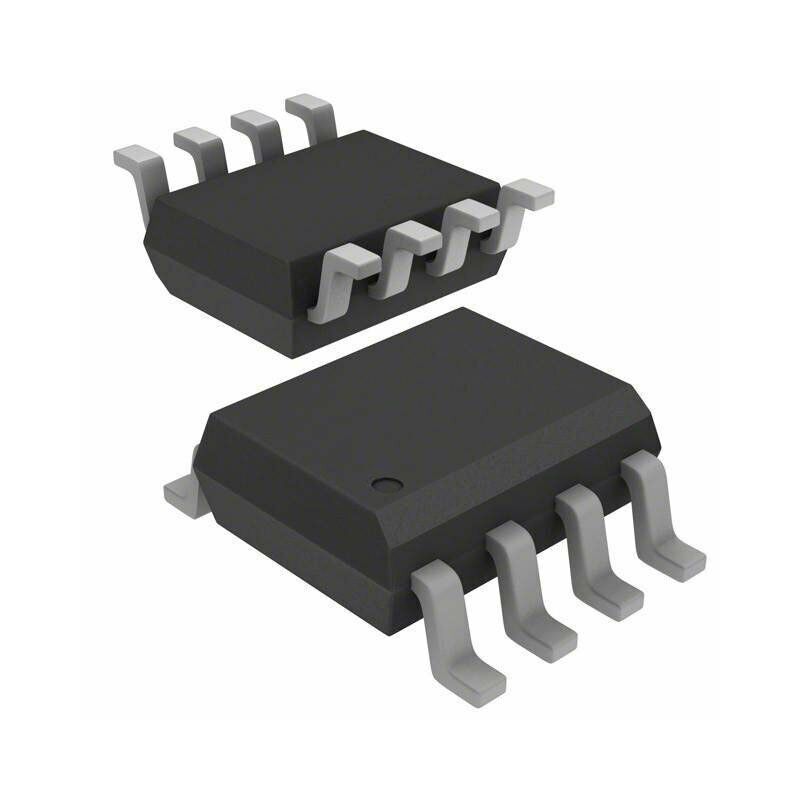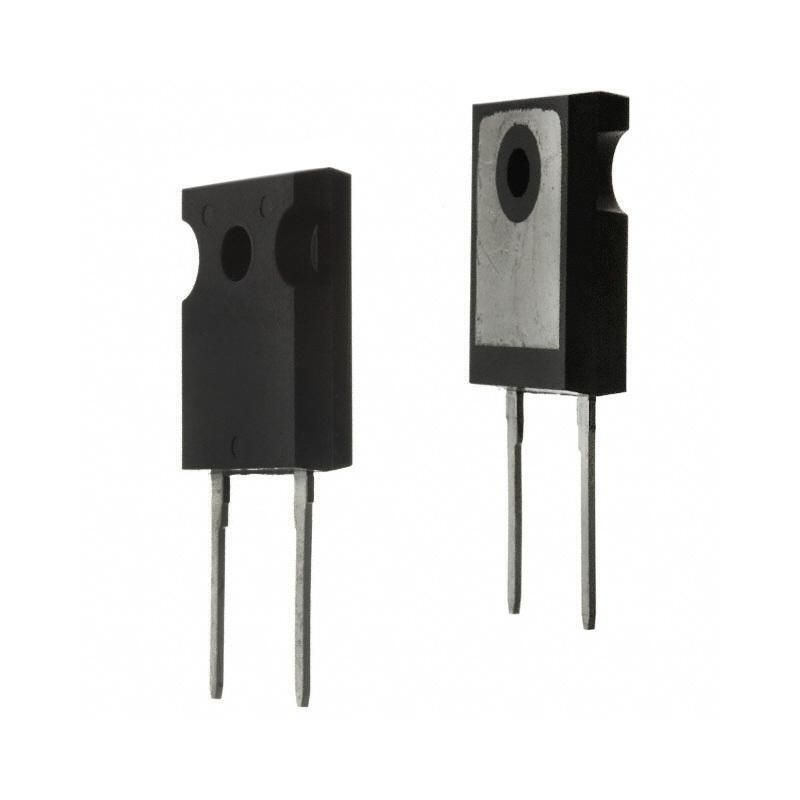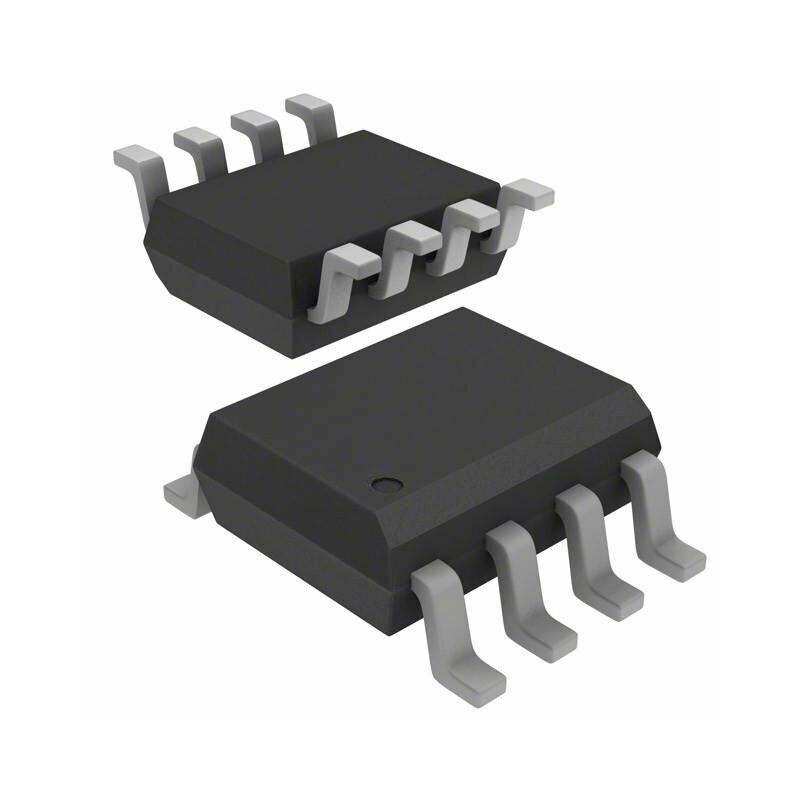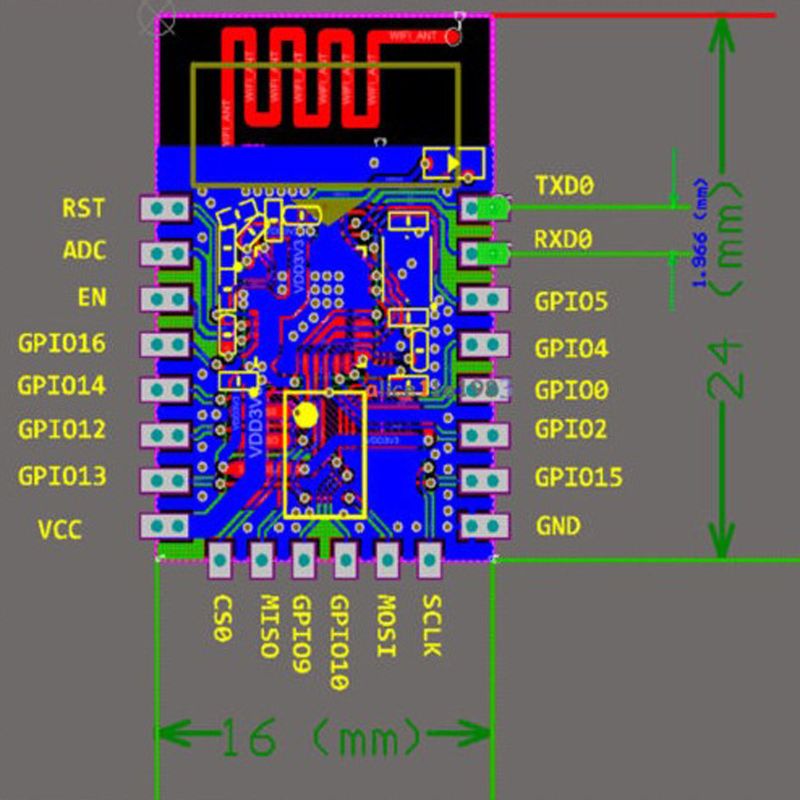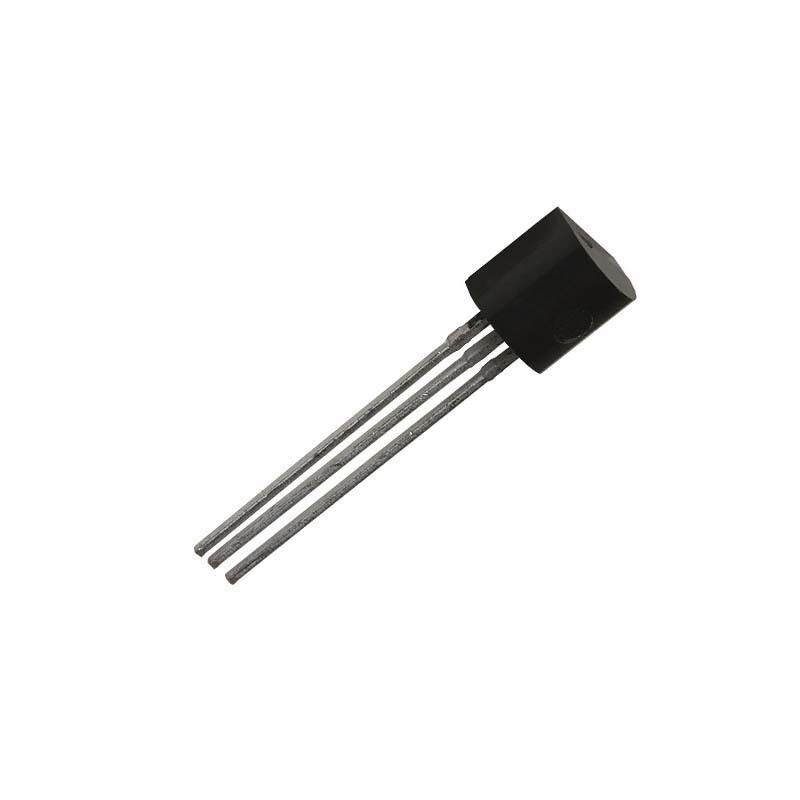


SAA3028P Infrared Remote Control Encoder IC (DIP-16)
31 people are viewing this right now
In Stock
SKU
191711081778
£12.99
Safe Checkout, Guaranteed

Safe Checkout, Guaranteed
The SAA3028P is a versatile integrated circuit (IC) housed in a standard 16-pin DIP (Dual In-line Package). This IC is primarily designed for remote control encoder applications, commonly found in infrared (IR) remote control systems for televisions, audio equipment, and other consumer electronics. It provides a robust and reliable means of encoding control signals for transmission over an IR channel. The DIP-16 package allows for easy integration into breadboards, prototyping boards, and through-hole soldering on printed circuit boards (PCBs). This IC is designed for creating remote control systems that are compatible with various devices. The SAA3028P boasts several key features that make it ideal for remote control encoder applications.
It includes an oscillator that generates the timing signal for the encoding process, a matrix encoder to generate the unique code for each button press, and output drivers to modulate the IR carrier frequency. With its ability to generate a wide range of control codes, the SAA3028P can be used to control a variety of functions, such as power on/off, volume control, channel selection, and menu navigation. The IC is designed with low power consumption to extend battery life in remote control devices. Its stable and reliable operation ensures consistent performance over a wide range of operating conditions. The SAA3028P is a cost-effective solution for remote control encoding needs. It can be found in various consumer electronic products and is commonly used for repairs and replacements of older remote control systems.
The IC can be configured to support different encoding protocols, allowing it to be used with a variety of IR receivers. Many datasheets and application notes are readily available for the SAA3028P, making it easy to design into your projects. If you are looking to build a remote control system, the SAA3028P is an excellent choice. We source only the highest quality components, ensuring that you receive a product that meets or exceeds your expectations. Upgrade to the SAA3028P Integrated Circuit and experience the difference a premium-grade component can make. Invest in the best.
Order your SAA3028P Integrated Circuit today and elevate your next project to new heights of performance and efficiency. Don't delay, add to cart now for a reliable build!
| Product Name | SAA3028P Infrared Remote Control Encoder IC (DIP-16) |
|---|---|
| SKU | 191711081778 |
| Price | £12.99 |
| SAA3028P Infrared Remote Control Encoder IC (DIP-16) Color | As per image |
| Category | Integrated Circuits |
| Brand | Nikko Electronics ltd |
| Product Code | 191711081778 |
| Availability | Yes |
Shipping cost is based on order value. Just add products to your cart and use the Shipping Calculator to see the shipping price. We want you to be 100% satisfied with your purchase. Items can be returned or exchanged within 30 days of delivery.
The SAA3028P Infrared Remote Control Encoder IC (DIP-16) is specifically engineered to utilize the RECS80 (Remote Control System 80) transmission protocol. This protocol is a pulse-position modulation (PPM) scheme that provides high reliability and noise immunity in consumer electronics environments. When using the SAA3028P Infrared Remote Control Encoder IC (DIP-16), the device generates a data stream consisting of a start bit, a system address (to distinguish between different devices like a TV or VCR), and a command code (representing the specific button pressed). The RECS80 protocol is known for its efficiency in battery-powered devices because it minimizes the 'on-time' of the infrared LED, thereby extending the operational life of the remote control. For engineers designing a receiver to pair with this IC, it is critical to implement a RECS80-compatible decoder, often found in dedicated receiver ICs or via firmware in a microcontroller. Understanding this protocol is essential when troubleshooting signal interference or when attempting to clone existing remote functions within a custom automation project using this specific integrated circuit.
To achieve a stable and accurate carrier frequency with the SAA3028P Infrared Remote Control Encoder IC (DIP-16), the internal oscillator requires an external timing element, typically a 455 kHz ceramic resonator. This resonator is connected across the OSCI (Oscillator Input) and OSCO (Oscillator Output) pins, usually pins 12 and 13 in the DIP-16 package. The SAA3028P Infrared Remote Control Encoder IC (DIP-16) internally divides this frequency—often by a factor of 12—to produce the standard 38 kHz infrared carrier frequency used by most IR receivers. It is vital to use high-quality capacitors (typically 100pF to 220pF, depending on the resonator datasheet) to ground from each oscillator pin to ensure reliable start-up and frequency stability. Without a stable oscillator, the pulse widths and carrier frequency of the SAA3028P Infrared Remote Control Encoder IC (DIP-16) may drift beyond the bandpass filter limits of the receiver, leading to intermittent control or total signal failure. In high-precision applications, ensuring short trace lengths between the IC and the resonator is recommended to minimize parasitic capacitance and electromagnetic interference.
The SAA3028P Infrared Remote Control Encoder IC (DIP-16) is designed with CMOS technology, making it exceptionally efficient for low-power, battery-operated handheld devices. One of its primary advantages is its extremely low quiescent current; when no buttons are pressed, the SAA3028P Infrared Remote Control Encoder IC (DIP-16) enters a 'standby' or 'sleep' mode where it consumes only a few microamperes (typically less than 10µA). This allows a standard pair of AAA or AA batteries to last for several years in a typical remote control application. When a key is pressed, the IC wakes up instantly to scan the keyboard matrix and transmit the IR code. The operating voltage range for the SAA3028P Infrared Remote Control Encoder IC (DIP-16) is typically between 2.0V and 7.0V, providing significant headroom for battery voltage drops over time. For professional developers, it is important to note that the bulk of power consumption during transmission comes from the IR LED itself, not the IC, so optimizing the LED drive circuit is key to maximizing overall device longevity.
The SAA3028P Infrared Remote Control Encoder IC (DIP-16) supports a versatile keyboard matrix scanning architecture, typically allowing for up to 64 distinct command codes. This is achieved through an 8x8 matrix configuration using the 'Scan' and 'Sense' pins. Specifically, the SAA3028P Infrared Remote Control Encoder IC (DIP-16) utilizes 8 scan outputs and 8 sense inputs to detect key presses. When a button is depressed, it creates a bridge between a specific scan line and sense line, which the IC decodes into a unique 6-bit command code. Additionally, the SAA3028P Infrared Remote Control Encoder IC (DIP-16) includes system address pins that allow the user to hard-wire the device to a specific system code (e.g., Address 0 for TV, Address 1 for Audio). This prevents cross-talk between different remote-controlled appliances in the same room. When designing a PCB for the SAA3028P Infrared Remote Control Encoder IC (DIP-16), it is advisable to include pull-up or pull-down resistors only as specified in the technical datasheet, as the IC often features internal logic to handle matrix scanning efficiently without excessive external components.
While the SAA3028P Infrared Remote Control Encoder IC (DIP-16) generates the necessary modulated data signal, its output pins are not designed to source the high current (typically 50mA to 500mA peak) required to drive an infrared LED for effective long-range transmission. The DATA output pin of the SAA3028P Infrared Remote Control Encoder IC (DIP-16) provides a logic-level signal that must be used to switch an external bipolar junction transistor (BJT) or a MOSFET. A common configuration involves using a general-purpose NPN transistor, such as the BC547 or 2N2222, where the SAA3028P Infrared Remote Control Encoder IC (DIP-16) output connects to the base through a current-limiting resistor. The IR LED is then placed in the collector path with a suitable current-limiting resistor connected to the power supply. This setup ensures that the SAA3028P Infrared Remote Control Encoder IC (DIP-16) remains within its thermal and current specifications while allowing the IR LED to emit a signal strong enough to reach a receiver several meters away, even in environments with significant ambient light interference.
It is a common misconception that all SAA-series chips are interchangeable, but the SAA3028P Infrared Remote Control Encoder IC (DIP-16) is not directly compatible with the RC5 protocol used by the SAA3010. While both chips are housed in a DIP-16 package and share similar pinouts for power and oscillators, they use entirely different encoding logic. The SAA3028P Infrared Remote Control Encoder IC (DIP-16) uses the RECS80 protocol, which relies on pulse-position modulation, whereas the SAA3010 uses the RC5 protocol, which is based on Manchester (bi-phase) encoding. Consequently, if you replace an SAA3010 with an SAA3028P Infrared Remote Control Encoder IC (DIP-16) in a circuit, the receiving device (like a television) will not recognize the signals because the timing and bit-structure of the frames are fundamentally different. When sourcing replacements for legacy equipment, always verify the protocol requirements of the receiver to ensure that the SAA3028P Infrared Remote Control Encoder IC (DIP-16) is the correct match for your specific hardware ecosystem.
The SAA3028P Infrared Remote Control Encoder IC (DIP-16) is packaged in a standard Dual In-line Package (DIP), which is ideal for through-hole soldering. To prevent thermal stress during assembly, it is recommended to use a soldering iron temperature between 300°C and 350°C, ensuring that contact with each pin does not exceed 3 seconds. For those performing prototyping or repair work, using a 16-pin IC socket is highly recommended. This allows the SAA3028P Infrared Remote Control Encoder IC (DIP-16) to be inserted after all soldering is complete, protecting the silicon die from heat and allowing for easy replacement if the IC is damaged by a high-voltage spike during testing. When integrated into a PCB, ensure that the SAA3028P Infrared Remote Control Encoder IC (DIP-16) is placed away from heat-generating components like high-wattage resistors or voltage regulators. Standard ESD (Electrostatic Discharge) precautions should also be followed, such as using a grounded wrist strap, as the CMOS structure of the SAA3028P Infrared Remote Control Encoder IC (DIP-16) can be sensitive to static charges during handling.