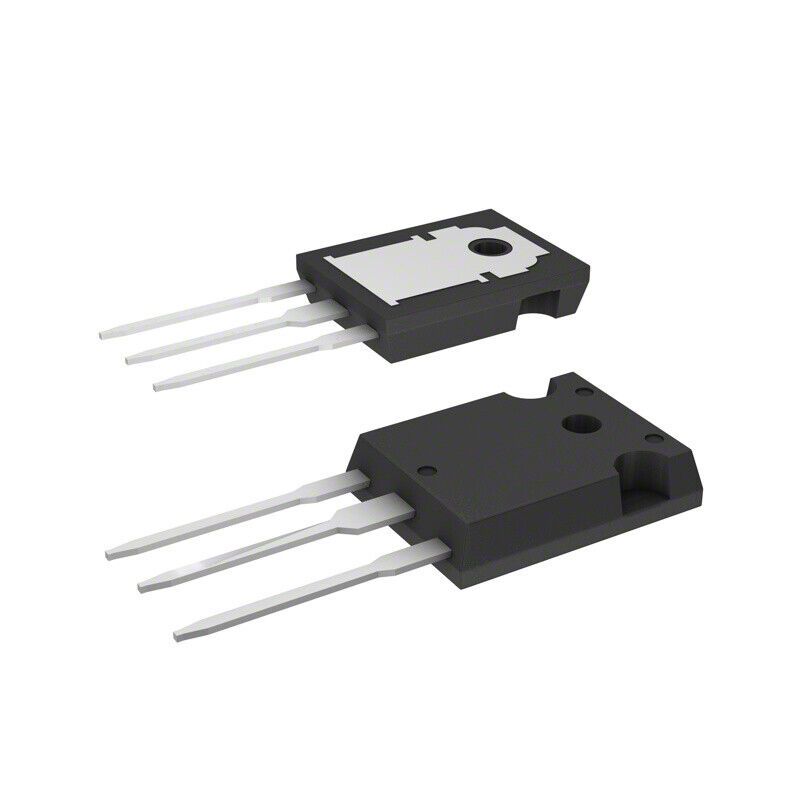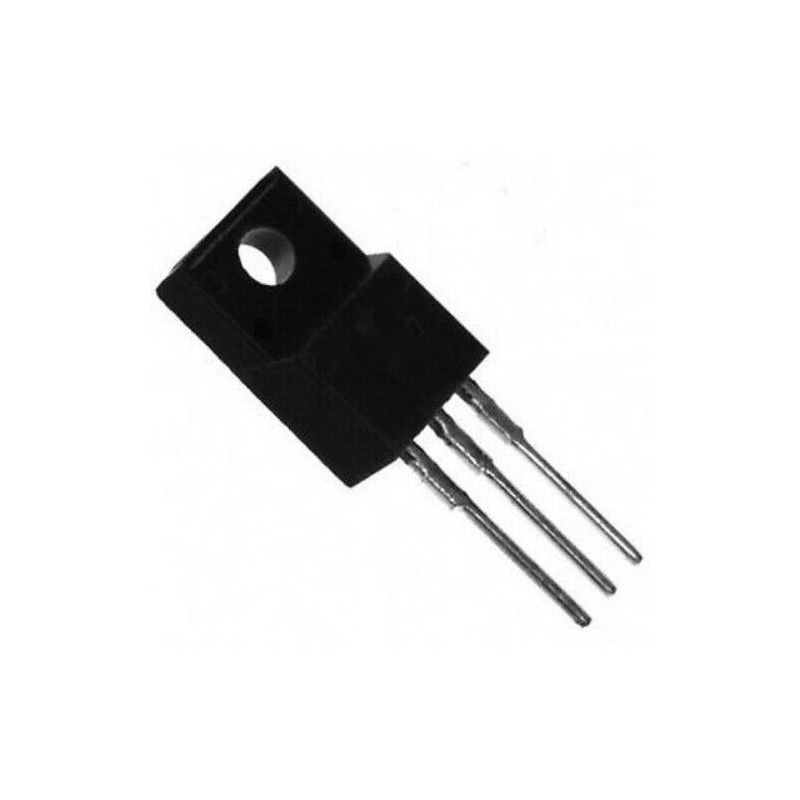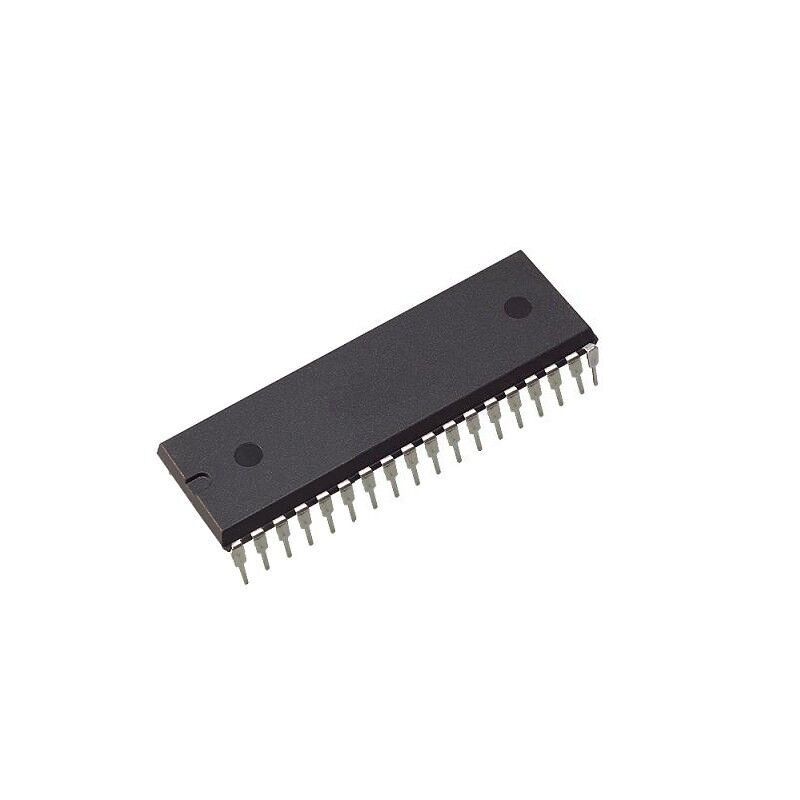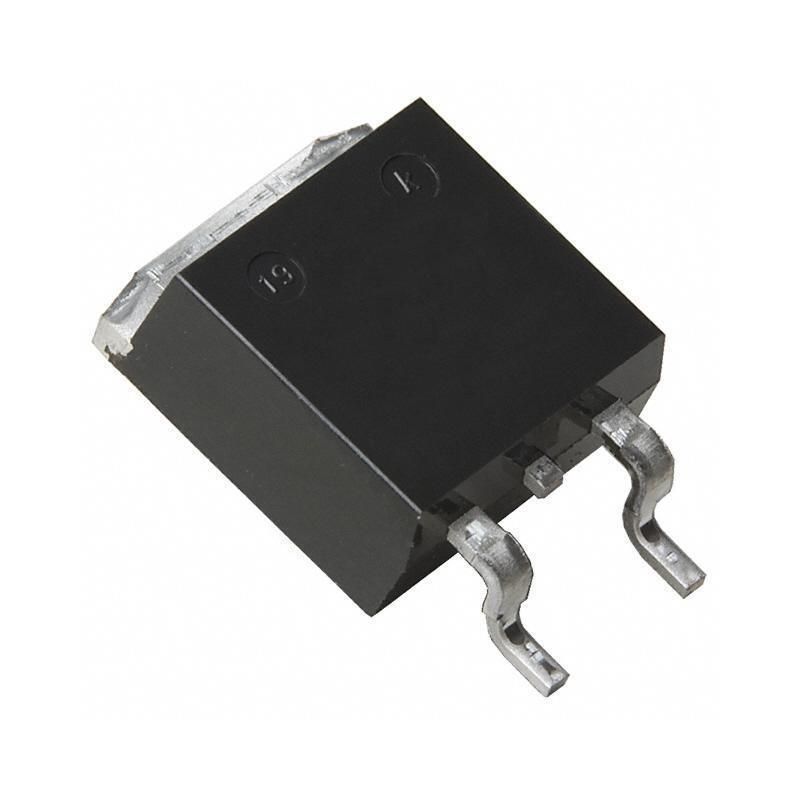


TC89101P Sound Effects Generator IC
24 people are viewing this right now
In Stock
SKU
191468954292
£3.99
Safe Checkout, Guaranteed

Safe Checkout, Guaranteed
The TC89101P is a specialized integrated circuit housed in a DIP-8 (Dual In-line Package with 8 pins), primarily used in electronic toys and games. This versatile IC serves as a sound effects generator, capable of producing a range of pre-programmed audio outputs, from simple tones to complex soundscapes. Its design focuses on providing a cost-effective and easy-to-implement solution for adding auditory feedback to interactive devices. The TC89101P simplifies the design of audio output circuits in toys and games, reducing the need for complex and expensive components. It operates on a low voltage, making it suitable for battery-powered applications. The DIP-8 package is easy to work with, allowing for simple integration into circuit boards.
This IC generates pre-programmed sound effects, which are easily selectable through external control signals. It supports a variety of sound types, including beeps, boops, explosions, and other common sound effects used in games and toys. It has a built-in oscillator circuit, reducing the need for external components. The TC89101P is commonly used in electronic toys, providing auditory feedback to enhance the user experience. It is also utilized in handheld games, offering sound effects that complement the gameplay. Educational electronic devices use the TC89101P to produce sounds that aid learning.
This IC is also found in novelty items and gadgets, adding auditory elements to entertain users. This IC's ease of use and low cost make it a popular choice for designers working on budget-conscious projects. Its pre-programmed sound effects eliminate the need for complex audio programming, simplifying the design process. The well-documented specifications and readily available application notes make it easy to integrate into various projects. Add engaging sound effects to your next project with the TC89101P. Order yours today and experience the difference.
The IC's ease of use and low cost make it a popular choice for designers working on budget-conscious projects.
| Product Name | TC89101P Sound Effects Generator IC |
|---|---|
| SKU | 191468954292 |
| Price | £3.99 |
| TC89101P Sound Effects Generator IC Color | As per image |
| Category | Integrated Circuits |
| Brand | Nikko Electronics ltd |
| Product Code | 191468954292 |
| Availability | Yes |
Shipping cost is based on order value. Just add products to your cart and use the Shipping Calculator to see the shipping price. We want you to be 100% satisfied with your purchase. Items can be returned or exchanged within 30 days of delivery.
The TC89101P Sound Effects Generator IC is designed to produce a low-power audio signal that generally requires an external driver stage before it can effectively power a standard 8-ohm or 16-ohm speaker. Because the TC89101P Sound Effects Generator IC utilizes an internal digital-to-analog conversion process, the output signal is typically a current-type or low-voltage PWM signal. To achieve audible volume levels in toys or alarm systems, you should connect the audio output pin to the base of a general-purpose NPN transistor, such as an S8050 or 2N2222, through a current-limiting resistor. The collector of the transistor should then be connected to the positive supply through the speaker coil. This simple Class-A amplifier configuration allows the TC89101P Sound Effects Generator IC to drive the speaker safely without exceeding the IC's maximum current ratings. For higher fidelity applications, a dedicated low-voltage audio amplifier IC like the LM386 can be used in conjunction with the TC89101P Sound Effects Generator IC to provide better volume control and clearer sound reproduction across the pre-programmed audio spectrum.
The TC89101P Sound Effects Generator IC is specifically engineered for low-voltage, battery-operated environments, making it an ideal choice for portable electronic games and hand-held devices. It typically operates within a voltage range of 2.4V to 5.0V, which perfectly aligns with common battery configurations such as two or three AA/AAA cells, or a single 3V CR2032 lithium button cell. One of the primary advantages of the TC89101P Sound Effects Generator IC is its extremely low standby current consumption, often measured in the microampere range. This ensures that the device does not drain the battery when the sound is not being actively triggered, extending the shelf life of the end product significantly. When designing the power rail for the TC89101P Sound Effects Generator IC, it is critical to include a bypass capacitor (typically 10uF to 100uF) across the VDD and VSS pins to handle the transient current spikes that occur when the audio output is active. This prevents voltage dips that could lead to sound distortion or erratic behavior of the internal logic within the TC89101P Sound Effects Generator IC.
The TC89101P Sound Effects Generator IC features an internal oscillator that dictates the timing, tempo, and pitch of the pre-programmed sound effects. To provide designers with flexibility, the IC includes an external oscillator pin (often labeled ROSC) where a single resistor is connected to ground or VDD. By varying the resistance value connected to this pin, you can directly manipulate the clock frequency of the TC89101P Sound Effects Generator IC. A higher resistance value will typically slow down the clock, resulting in a deeper pitch and a longer duration for the sound effect sequence. Conversely, reducing the resistance increases the clock speed, producing a higher-pitched and faster sound. This feature of the TC89101P Sound Effects Generator IC is particularly useful for fine-tuning the 'feel' of a toy—for instance, making a siren sound more urgent or a chime sound more melodic. It is recommended to use a high-precision metal film resistor or a small potentiometer with the TC89101P Sound Effects Generator IC if you require precise control over the audio output characteristics during the prototyping phase.
The TC89101P Sound Effects Generator IC offers versatile triggering options to accommodate various interactive designs, primarily supporting 'One-Shot' and 'Level-Hold' modes. In a One-Shot configuration, a momentary pulse or button press on the trigger pin will cause the TC89101P Sound Effects Generator IC to play the entire pre-programmed sound sequence from beginning to end, regardless of whether the button remains pressed. This is ideal for simple action toys where a single trigger event should result in a complete sound bite. Alternatively, the TC89101P Sound Effects Generator IC can be configured so that the sound only plays while the trigger pin is held at a specific logic level, stopping immediately upon release. This flexibility allows the TC89101P Sound Effects Generator IC to be used in complex applications where sound needs to be synchronized with physical movements or sensor inputs. The trigger pins are designed with internal debouncing circuitry to prevent multiple triggers from a single mechanical switch contact, ensuring that the TC89101P Sound Effects Generator IC provides a clean and reliable user experience every time.
Yes, the TC89101P Sound Effects Generator IC can be easily integrated into microcontroller-based systems such as Arduino, ESP32, or PIC controllers. Since the TC89101P Sound Effects Generator IC operates on standard CMOS logic levels, a digital output pin from your microcontroller can be used to drive the trigger input of the IC. This allows for sophisticated control logic where the microcontroller decides when to play a sound based on sensor data or user input. When interfacing a 5V microcontroller with a TC89101P Sound Effects Generator IC running at 3V, it is important to use a simple voltage divider or a level shifter to ensure the trigger signal does not exceed the IC's operating voltage. Furthermore, because the TC89101P Sound Effects Generator IC handles all the complex audio synthesis internally, it offloads the heavy processing requirements from the microcontroller, allowing the main CPU to focus on other tasks. This makes the TC89101P Sound Effects Generator IC a cost-effective and efficient 'sound co-processor' for hobbyist projects and professional embedded systems alike.
The TC89101P Sound Effects Generator IC occupies a unique niche between simple active buzzers and expensive, complex programmable voice recording chips. Unlike a basic buzzer that only produces a single frequency, the TC89101P Sound Effects Generator IC generates complex, multi-tonal soundscapes and rhythmic patterns that are far more engaging for users. Compared to programmable voice chips, the TC89101P Sound Effects Generator IC is significantly more cost-effective and requires no external memory or complex programming interfaces. Everything is hard-coded into the silicon, which simplifies the Bill of Materials (BOM) and reduces assembly time. The DIP-8 package of the TC89101P Sound Effects Generator IC is also much easier to handle and solder in small-scale production or repair environments compared to the small surface-mount packages often found on high-end voice modules. For manufacturers looking to add high-quality auditory feedback to a product without the overhead of software development or high component costs, the TC89101P Sound Effects Generator IC provides a reliable, 'plug-and-play' solution.
The TC89101P Sound Effects Generator IC is housed in a standard DIP-8 plastic package, which is robust but sensitive to extreme heat. When soldering the TC89101P Sound Effects Generator IC onto a PCB, it is recommended to use a soldering iron temperature between 300°C and 350°C and limit contact time to under 3 seconds per pin. Excessive heat can damage the internal CMOS structures or the pre-programmed memory of the TC89101P Sound Effects Generator IC. For production environments using wave soldering, standard profiles for lead-free or leaded solder are generally acceptable. If you are developing a prototype or expect to perform maintenance, using an 8-pin IC socket is a best practice; this allows the TC89101P Sound Effects Generator IC to be inserted after all soldering is complete, completely eliminating thermal risk to the chip. Additionally, ensure that the TC89101P Sound Effects Generator IC is handled in an ESD-safe environment, as static discharge can compromise the sensitive trigger inputs or the oscillator circuit, leading to permanent failure or degraded audio performance.