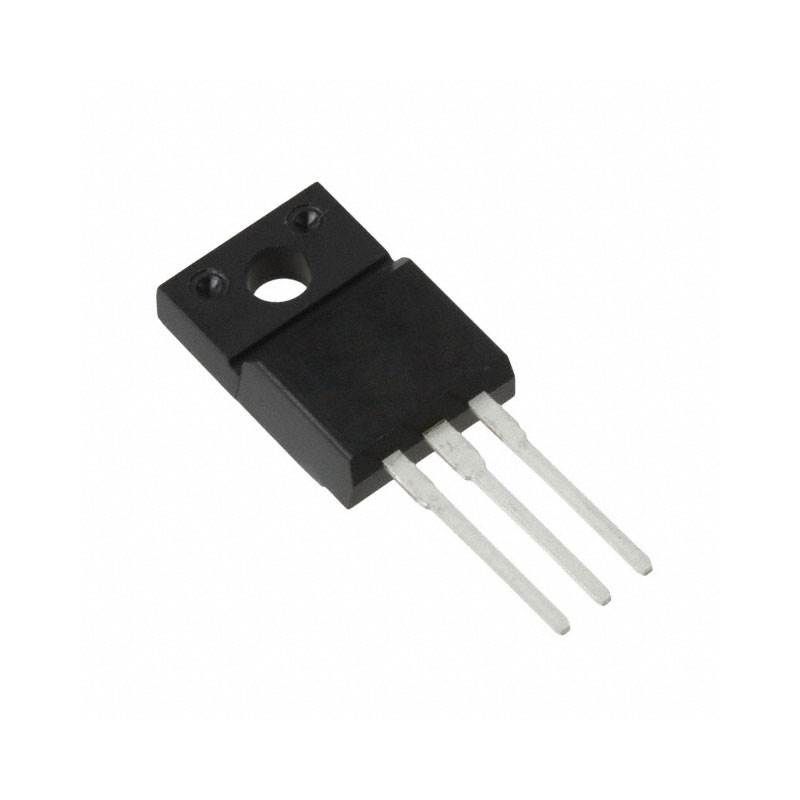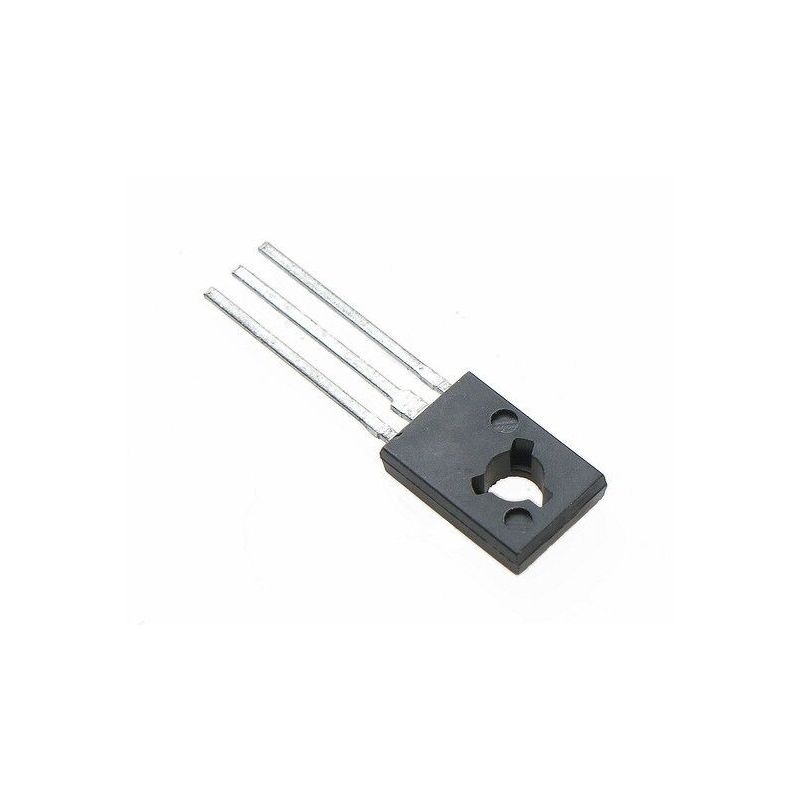
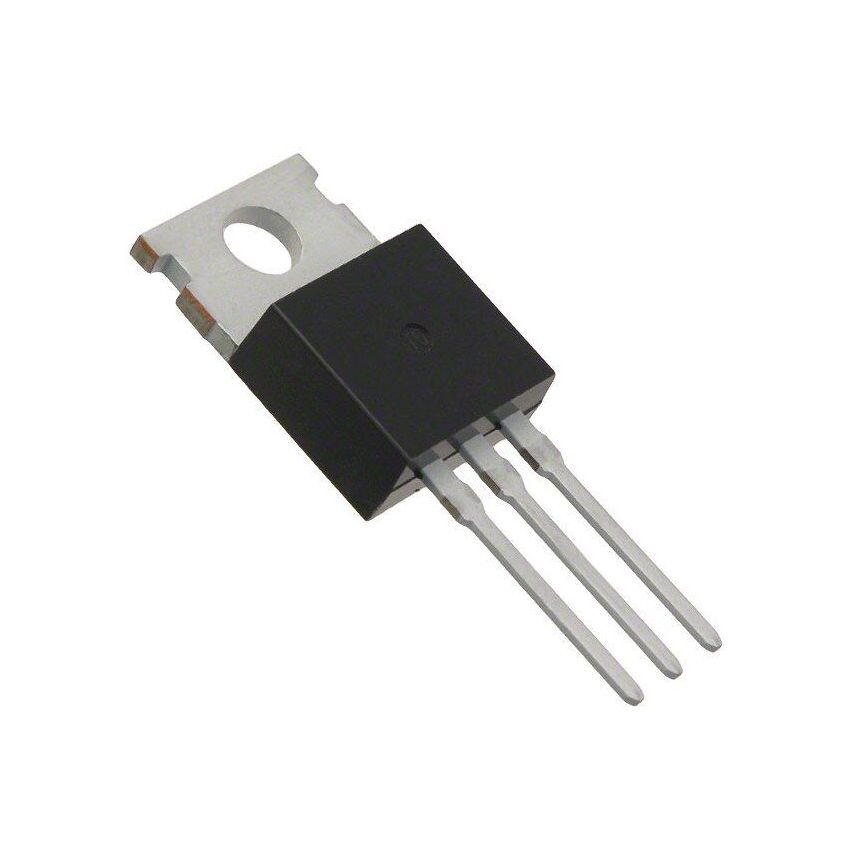

TIP32C PNP Power Transistor TO-220
40 people are viewing this right now
In Stock
SKU
191685512357
£53.00
Safe Checkout, Guaranteed

Safe Checkout, Guaranteed
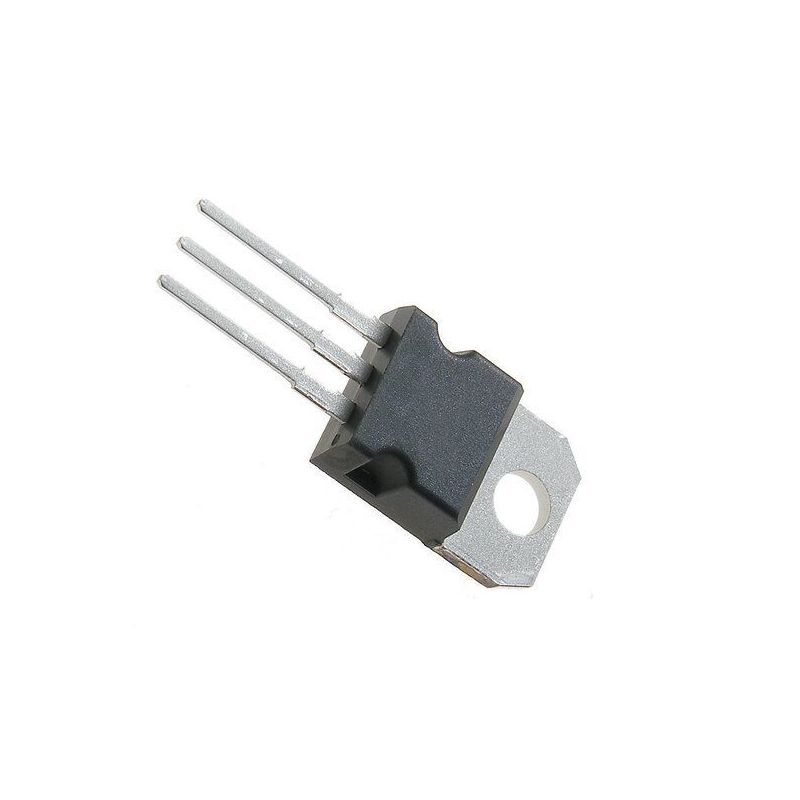
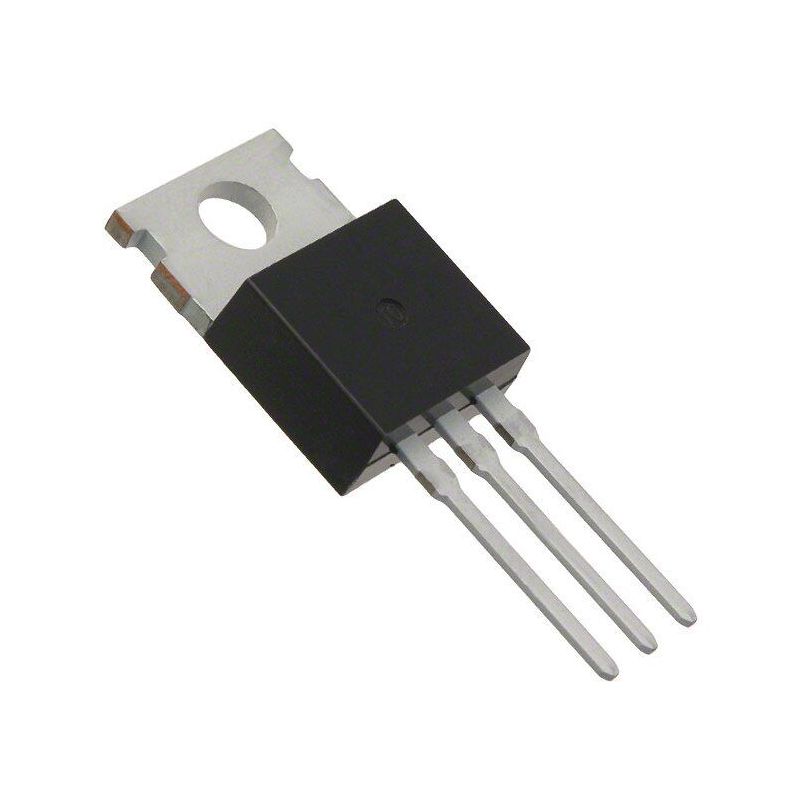
This lot of 100 TIP32C transistors offers a cost-effective solution for your electronic projects and manufacturing needs. The TIP32C is a PNP bipolar junction transistor (BJT) housed in the industry-standard TO-220 package, making it a versatile component for various amplification and switching applications. The TO-220 package ensures easy mounting and efficient heat dissipation, crucial for maintaining stable performance in demanding environments. Its design allows for secure attachment to heat sinks, further enhancing its ability to handle higher power loads. As a PNP transistor, the TIP32C operates in a complementary fashion to NPN transistors like the TIP31C, allowing for the creation of push-pull amplifier configurations and other complementary circuits. With a typical collector-emitter voltage (VCEO) of -100V and a continuous collector current (IC) of -3A, the TIP32C is suitable for medium-power applications requiring negative polarity.
The power dissipation (PD) rating of 40W enables it to handle significant power levels without compromising reliability. The TIP32C exhibits a high current gain (hFE), ensuring efficient amplification of signals. This characteristic makes it ideal for audio amplifiers, where it can deliver clear and amplified audio output. Its fast switching speed also makes it suitable for switching applications, such as DC-DC converters and power supplies. In power supply designs, the TIP32C can be used as a switching element to regulate voltage and current, providing a stable and efficient power source. Its robust construction and high breakdown voltage ensure reliable performance even under harsh operating conditions.
For audio amplifier circuits, the TIP32C can be paired with an NPN transistor to create a push-pull amplifier, offering high power output and low distortion. Its ability to handle high currents makes it suitable for driving speakers and other audio output devices. This lot of 100 TIP32C transistors provides a convenient and economical way to stock up on this essential component. Whether you are a hobbyist, student, or professional, having a ready supply of TIP32C transistors will ensure that you are prepared for any electronic project. The TIP32C is known for its reliability and consistent performance, making it a trusted choice for a wide range of applications. Its rugged construction and wide operating temperature range ensure long-term stability and dependability.
Its low saturation voltage minimizes power loss, contributing to overall energy efficiency. The TIP32C PNP transistor is an indispensable component for any electronics enthusiast or professional. Its versatility, reliability, and availability in a convenient lot of 100 make it a valuable addition to your inventory. Ensure you're well-equipped for your next project or production run. Order your lot of 100 TIP32C transistors today and experience the convenience and value of bulk purchasing.
| Product Name | TIP32C PNP Power Transistor TO-220 |
|---|---|
| SKU | 191685512357 |
| Price | £53.00 |
| TIP32C PNP Power Transistor TO-220 Color | As per image |
| Category | Transistors |
| Brand | Nikko Electronics ltd |
| Product Code | 191685512357 |
| Availability | Yes |
Shipping cost is based on order value. Just add products to your cart and use the Shipping Calculator to see the shipping price. We want you to be 100% satisfied with your purchase. Items can be returned or exchanged within 30 days of delivery.
The TIP32C PNP Power Transistor TO-220 is a versatile component widely used in various medium-power electronic applications. Its primary strengths lie in power switching and amplification. For switching, it's commonly found in motor control circuits, driving relays, solenoids, or incandescent lamps, where it can handle moderate current loads effectively. In amplification, the TIP32C PNP Power Transistor TO-220 is an excellent choice for audio amplifier output stages, particularly in complementary push-pull configurations when paired with its NPN counterpart, the TIP31C. Its robust TO-220 package allows for efficient heat dissipation, making it suitable for applications requiring stable performance under varying power demands. Furthermore, it's utilized in voltage regulation, power supply designs, and general-purpose power control where a PNP BJT's characteristics are preferred for current sinking or high-side switching.
The TIP32C PNP Power Transistor TO-220 is specifically designed to work in a complementary fashion with NPN transistors, most notably the TIP31C. This complementary pairing is fundamental for creating efficient Class B or Class AB push-pull amplifier stages, which significantly reduce crossover distortion and improve power efficiency in audio applications. In such a setup, the TIP32C PNP Power Transistor TO-220 handles the negative half-cycle of the output signal, sinking current, while the NPN transistor handles the positive half-cycle, sourcing current. Beyond audio, this complementary pair is valuable in switching applications like H-bridge motor drivers, allowing for bidirectional current control. The matched characteristics and TO-220 packages of the TIP32C and TIP31C simplify design and thermal management, enabling robust and compact power stages in various electronic projects and manufacturing needs.
Effective thermal management is crucial for the reliability and longevity of the TIP32C PNP Power Transistor TO-220, especially in high-power applications. The TO-220 package, while designed for efficient heat transfer, requires proper consideration of power dissipation (Pd). The maximum power dissipation for the TIP32C is typically around 40W, but this rating assumes an ideal heatsink and ambient temperature. For continuous operation at higher currents or voltages, mounting the TIP32C PNP Power Transistor TO-220 to an appropriately sized heatsink is essential. Using thermal grease or a thermal pad between the transistor's metal tab and the heatsink improves thermal conductivity. Designers must calculate the expected power dissipation (Pd = Vce * Ic) and ensure the combined thermal resistance of the transistor, insulator, and heatsink keeps the junction temperature below its maximum rated value, usually 150°C. Derating curves should be consulted to understand performance limitations at elevated temperatures.
The TIP32C PNP Power Transistor TO-220 is rated for robust performance in medium-power circuits. Its typical maximum collector-emitter voltage (Vce) is -100V, making it suitable for applications with up to 100V power rails. The maximum continuous collector current (Ic) is typically -3A, allowing it to drive substantial loads. Peak collector current can be higher for short durations. The power dissipation (Pd) is generally rated at 40W when properly heatsinked. For its current gain, or hFE, the TIP32C PNP Power Transistor TO-220 typically exhibits a range between 10 and 50 at a collector current of -1A. This hFE range is important for calculating the required base current to drive the transistor into saturation or to achieve a specific operating point, ensuring efficient switching or amplification for your electronic projects.
The TIP32C PNP Power Transistor TO-220 is well-suited for moderate-speed switching applications, such as driving DC motors, relays, solenoids, or LEDs. Its BJT (Bipolar Junction Transistor) nature means it operates based on current control, requiring a continuous base current to stay in conduction. While it can switch reliably at audio frequencies and in many power control scenarios, it does have limitations compared to MOSFETs for very high-speed switching (e.g., in high-frequency SMPS or PWM applications exceeding tens of kHz). BJTs like the TIP32C PNP Power Transistor TO-220 exhibit storage time and fall time delays during turn-off due to the accumulation and recombination of minority carriers in the base region. This can lead to increased switching losses at higher frequencies. For applications demanding extremely fast switching speeds or very low on-state resistance at high frequencies, designers might consider power MOSFETs, but for most general-purpose power switching up to tens of kHz, the TIP32C provides a cost-effective and robust solution.
The TO-220 package of the TIP32C PNP Power Transistor TO-220 offers significant advantages for electronic projects and manufacturing. Its robust, industry-standard design ensures easy and secure mounting, typically to a PCB or directly to a heatsink using a screw and nut through the central hole. This mechanical stability contributes to the overall durability of the circuit, especially in environments subject to vibration or physical stress. The large metal tab of the TO-220 package is crucial for efficient heat dissipation, allowing the TIP32C PNP Power Transistor TO-220 to handle higher power loads than smaller packages. Its widely recognized footprint simplifies integration into existing designs, as many PCBs are pre-designed for TO-220 components. This standardization reduces design complexity and accelerates prototyping, making the TIP32C PNP Power Transistor TO-220 a practical choice for various power control and amplification applications.
To reliably turn on and drive the TIP32C PNP Power Transistor TO-220 into saturation (fully 'on'), a sufficient base current (Ib) must be supplied to the base terminal. Since it's a PNP transistor, a negative voltage relative to the emitter, or a current flowing out of the base, is required. The base current is typically calculated using the formula Ib = Ic / hFE, where Ic is the desired collector current and hFE is the transistor's current gain. To ensure saturation, it's common practice to provide a base current 5-10 times higher than the minimum required based on the lowest expected hFE. The base-emitter voltage (Vbe) for the TIP32C PNP Power Transistor TO-220 in saturation is typically around -1.3V. When designing the driver circuit, a current-limiting resistor is essential in series with the base to protect the transistor and the driving source. For turning off, ensuring the base-emitter junction is reverse-biased or at least zero-biased is critical to quickly move the transistor out of conduction, preventing unintended current flow or excessive power dissipation.