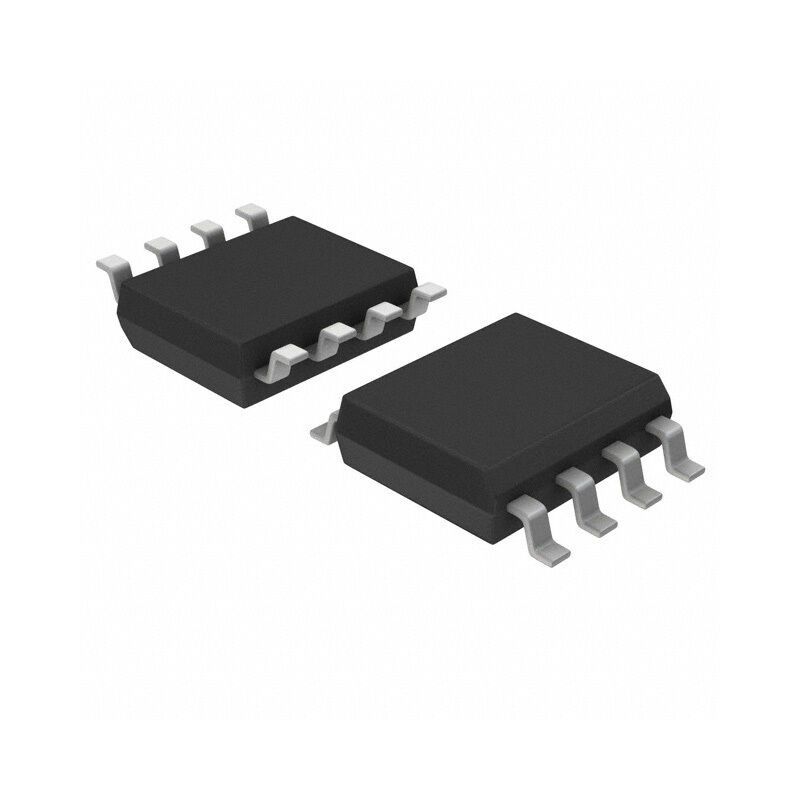
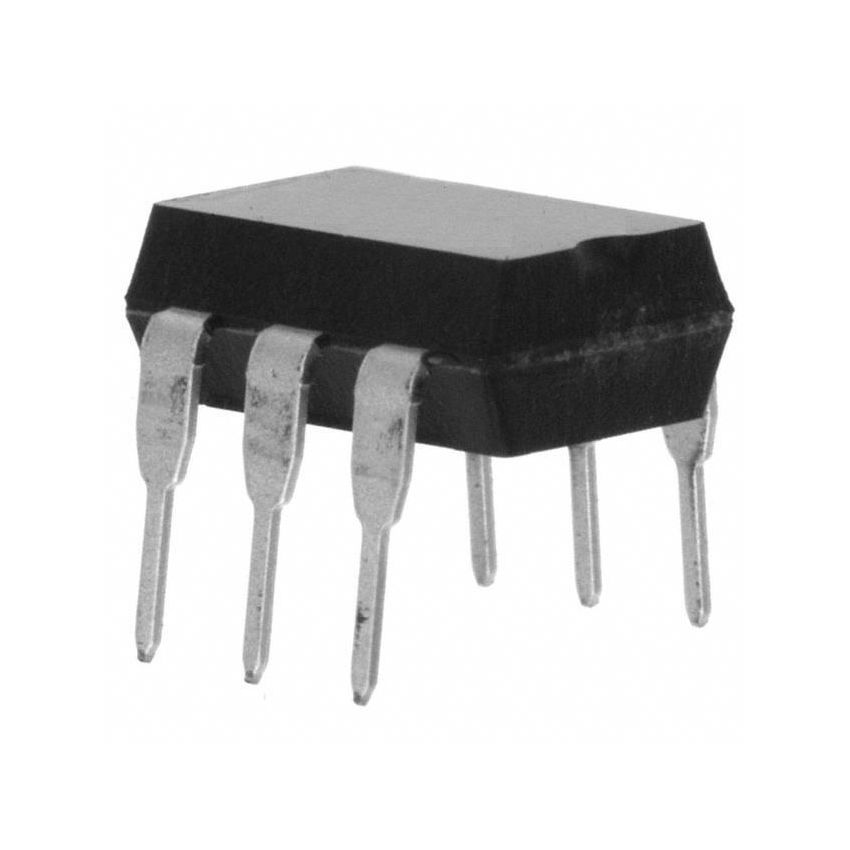

TLP734 Phototransistor Output Optocoupler (DIP-6)
32 people are viewing this right now
In Stock
SKU
191685573925
£3.55
Safe Checkout, Guaranteed

Safe Checkout, Guaranteed
The TLP734 Optocoupler DIP-6 stands as a cornerstone component for isolating and transmitting signals across different voltage domains within electronic circuits. Its robust design and exceptional performance make it an indispensable tool for engineers and hobbyists seeking reliable and secure electrical isolation. Housed in a standard DIP-6 package, the TLP734 offers ease of integration into a wide variety of circuit board designs, simplifying both prototyping and large-scale production runs. This optocoupler excels at providing galvanic isolation, which means it physically and electrically separates two circuits, preventing unwanted current flow and protecting sensitive components from voltage spikes, ground loops, and electrical noise. This is particularly critical in applications where safety is paramount or where precise signal transmission is essential. From industrial automation and motor control to medical equipment and power supplies, the TLP734 offers a versatile solution for ensuring the integrity and reliability of your electronic systems.
Diving into the technical aspects, the TLP734 features a high isolation voltage, typically exceeding several kilovolts, effectively blocking any direct electrical connection between the input and output circuits. This high level of isolation safeguards sensitive microcontrollers, sensors, and other components from potentially damaging high-voltage environments. The TLP734 also boasts a fast switching speed, enabling rapid signal transmission without significant delays. This is crucial for real-time control systems, high-speed data communication, and other applications where responsiveness is critical. Furthermore, the TLP734 exhibits a high current transfer ratio (CTR), ensuring efficient signal amplification and minimizing power consumption. Its low input current requirement makes it compatible with a wide range of logic families, including TTL and CMOS, providing designers with greater flexibility in their circuit designs.
The benefits of using the TLP734 are numerous. First and foremost, it provides a high level of safety by isolating circuits operating at different voltage levels, protecting both equipment and personnel from electrical hazards. Second, it improves system reliability by preventing ground loops and reducing electrical noise, ensuring accurate and consistent signal transmission. Third, it enhances system performance by enabling fast switching speeds and efficient signal amplification. The TLP734 is suitable for a wide range of applications. It can be used to isolate microcontrollers from high-voltage motor drivers, protecting them from potentially damaging voltage surges.
It can be used to isolate sensors from noisy environments, improving the accuracy and reliability of data acquisition systems. It can also be used in power supplies to provide isolation between the primary and secondary sides, enhancing safety and preventing ground loops. Imagine the peace of mind knowing that your sensitive electronic components are protected from harmful voltage spikes and electrical noise. Picture the increased reliability and accuracy of your data acquisition systems thanks to the TLP734's superior isolation capabilities. The TLP734 Optocoupler DIP-6 empowers you to build robust, reliable, and high-performance electronic systems. Whether you're a seasoned engineer or a budding hobbyist, the TLP734 is an essential component for any electronic project requiring electrical isolation and signal transmission.
Invest in the TLP734 today and experience the difference that true isolation can make. Don't compromise on safety and performance. Add the TLP734 to your cart now and unlock the potential of your electronic designs.
| Product Name | TLP734 Phototransistor Output Optocoupler (DIP-6) |
|---|---|
| SKU | 191685573925 |
| Price | £3.55 |
| TLP734 Phototransistor Output Optocoupler (DIP-6) Color | As per image |
| Category | Optocoupler |
| Brand | Nikko Electronics ltd |
| Product Code | 191685573925 |
| Availability | Yes |
Shipping cost is based on order value. Just add products to your cart and use the Shipping Calculator to see the shipping price. We want you to be 100% satisfied with your purchase. Items can be returned or exchanged within 30 days of delivery.
The TLP734 Phototransistor Output Optocoupler (DIP-6) is engineered to provide high-level galvanic isolation, typically rated at a minimum of 4000Vrms (AC, 1 minute). This high dielectric strength makes it an ideal choice for isolating high-voltage power sections from sensitive low-voltage control circuitry, such as microcontrollers or DSPs. Beyond the raw voltage rating, the TLP734 Phototransistor Output Optocoupler (DIP-6) often complies with international safety standards like UL1577 and optional VDE certifications, ensuring it meets rigorous industrial safety requirements. When integrating this component into your PCB layout, it is crucial to maintain appropriate creepage and clearance distances around the DIP-6 package to preserve the integrity of the isolation barrier. This level of protection is essential in preventing ground loops and protecting users from electrical shock in applications like switching power supplies, programmable logic controllers (PLCs), and AC/DC converters where transient voltage spikes are common. By using the TLP734 Phototransistor Output Optocoupler (DIP-6), engineers can ensure robust signal transmission while maintaining a secure physical separation between different potential domains within their electronic systems.
The Current Transfer Ratio (CTR) is a critical parameter for the TLP734 Phototransistor Output Optocoupler (DIP-6), representing the ratio of the output collector current to the input LED forward current. Typically, the TLP734 Phototransistor Output Optocoupler (DIP-6) offers a CTR range between 50% and 600%, though specific 'ranks' may narrow this window for more predictable performance. When designing with this component, engineers must account for the minimum CTR over the entire operating temperature range to ensure the output transistor saturates correctly when driven. If the CTR is too low, the output may not pull down the logic level effectively; if too high, it might lead to unexpected switching behavior. Furthermore, the CTR of the TLP734 Phototransistor Output Optocoupler (DIP-6) is known to degrade slightly over the component's lifespan as the internal LED efficiency decreases. Therefore, it is professional practice to design the input drive circuit with sufficient 'overdrive' margin—typically 1.5 to 2 times the minimum required current—to guarantee long-term reliability and stable performance across varying environmental conditions and aging effects.
In switching applications, the TLP734 Phototransistor Output Optocoupler (DIP-6) typically exhibits rise and fall times in the range of 2 to 10 microseconds, depending heavily on the load resistance (RL) and the drive current. While not intended for high-speed data communication in the megahertz range, the TLP734 Phototransistor Output Optocoupler (DIP-6) is perfectly suited for low-frequency Pulse Width Modulation (PWM) tasks, such as gate drive signaling for slow-switching MOSFETs or status feedback in power supplies. One unique advantage of the DIP-6 package used by the TLP734 Phototransistor Output Optocoupler (DIP-6) is the accessibility of the phototransistor's base pin. By connecting a high-value resistor between the base and emitter, designers can significantly reduce the storage time and improve the turn-off speed of the device, albeit at the cost of some sensitivity (CTR). This flexibility allows for fine-tuning the switching performance to meet specific timing requirements. When calculating the maximum frequency for your design, always consider the Miller effect and the internal capacitance of the TLP734 Phototransistor Output Optocoupler (DIP-6) to avoid signal distortion.
The TLP734 Phototransistor Output Optocoupler (DIP-6) is designed with industrial-grade reliability in mind, typically supporting an operating temperature range from -55°C to +100°C (or +115°C depending on the specific datasheet revision). This wide thermal window makes the TLP734 Phototransistor Output Optocoupler (DIP-6) suitable for harsh environments such as outdoor telecommunications equipment, industrial motor drives, and automotive aftermarket electronics. Thermal stability is a key factor in its performance; however, users must be aware that the forward voltage of the internal LED and the leakage current of the output phototransistor are temperature-dependent. As the temperature rises, the leakage current increases, and the CTR may shift. To ensure the TLP734 Phototransistor Output Optocoupler (DIP-6) operates reliably, it is recommended to perform thermal analysis on the PCB and provide adequate spacing from heat-generating components like power resistors or voltage regulators. The robust DIP-6 construction provides excellent mechanical stability during thermal cycling, preventing package cracking or bond wire failure, which is a common concern in high-vibration or variable-temperature industrial settings.
The TLP734 Phototransistor Output Optocoupler (DIP-6) features a high Collector-Emitter Voltage (Vceo) rating, typically around 80V. This high breakdown voltage is a significant advantage over standard optocouplers that may only support 30V or 50V. In practical applications, the Vceo rating of the TLP734 Phototransistor Output Optocoupler (DIP-6) determines the maximum DC voltage that the output side can safely block when the transistor is in the 'off' state. This makes it highly effective for interfacing with 24V or 48V industrial control logic, where inductive flyback voltages or supply fluctuations might exceed the limits of lesser components. Using a TLP734 Phototransistor Output Optocoupler (DIP-6) provides an extra layer of safety margin against transient overvoltages that could otherwise cause a permanent breakdown of the output junction. When selecting this part for your BOM, ensuring the Vceo exceeds your maximum rail voltage by at least 20-30% is a standard engineering precaution. This robust voltage handling, combined with the DIP-6 package's isolation properties, ensures that the TLP734 Phototransistor Output Optocoupler (DIP-6) remains a durable link in your signal chain.
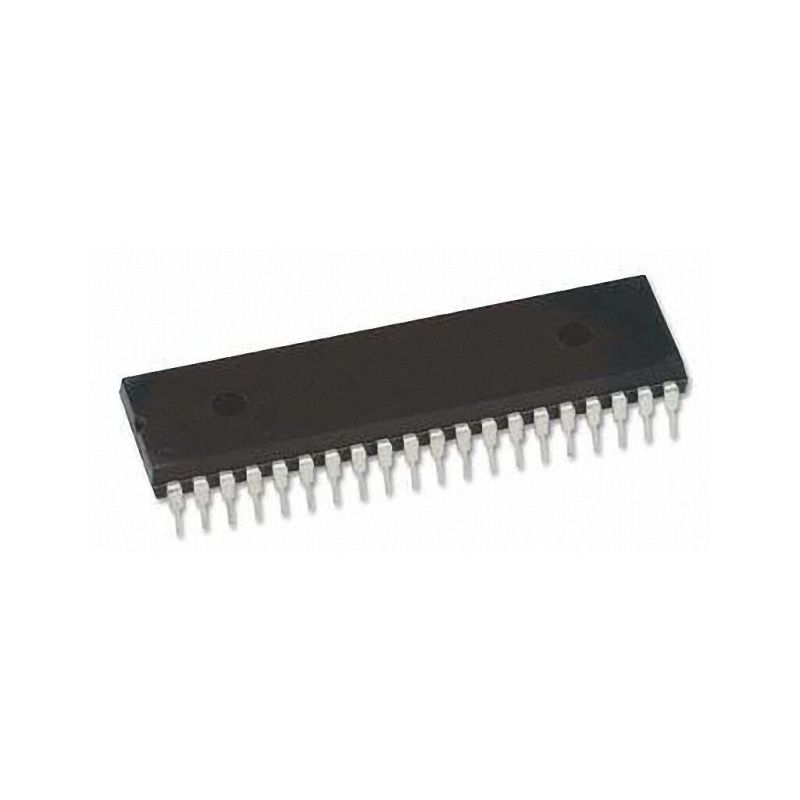
The TLP734 Phototransistor Output Optocoupler (DIP-6) utilizes a standard 6-pin Dual In-line Package (DIP), which is favored for its ease of handling during both manual prototyping and automated SMT or through-hole assembly lines. Unlike 4-pin optocouplers, the TLP734 Phototransistor Output Optocoupler (DIP-6) provides an additional pin connected to the base of the phototransistor. This allows for advanced biasing techniques or the use of a base-emitter resistor to stabilize the dark current. From a layout perspective, the DIP-6 footprint of the TLP734 Phototransistor Output Optocoupler (DIP-6) offers superior physical separation between the input (anode/cathode) and output (collector/emitter/base) sides, which is vital for meeting creepage requirements in high-voltage designs. For those looking to save space, the TLP734 Phototransistor Output Optocoupler (DIP-6) is often available in a lead-formed (G-type) version for surface mount (SMD) applications, maintaining the same electrical characteristics while reducing board height. Engineers should ensure that no copper traces run under the 'dead zone' of the TLP734 Phototransistor Output Optocoupler (DIP-6) to prevent compromising the isolation barrier through the PCB substrate itself.
To achieve optimal performance with the TLP734 Phototransistor Output Optocoupler (DIP-6), the input LED should typically be driven with a forward current (If) between 5mA and 20mA. The forward voltage (Vf) of the LED is usually around 1.15V to 1.3V at these current levels. When calculating the series current-limiting resistor for the TLP734 Phototransistor Output Optocoupler (DIP-6), designers must subtract this Vf from the supply voltage (e.g., 5V or 3.3V) and divide by the desired If. It is important not to exceed the maximum rated forward current (often 50mA or 60mA) to avoid premature aging or thermal damage to the LED. For low-power microcontrollers, a logic-level MOSFET or a transistor buffer might be necessary to drive the TLP734 Phototransistor Output Optocoupler (DIP-6) if the GPIO pin cannot source enough current. Additionally, using a reverse-protection diode in parallel with the LED is a common design practice if the TLP734 Phototransistor Output Optocoupler (DIP-6) is used in an AC-sensing application or where reverse polarity is a risk. Proper input drive ensures the TLP734 Phototransistor Output Optocoupler (DIP-6) provides a crisp, reliable transition on the output side.