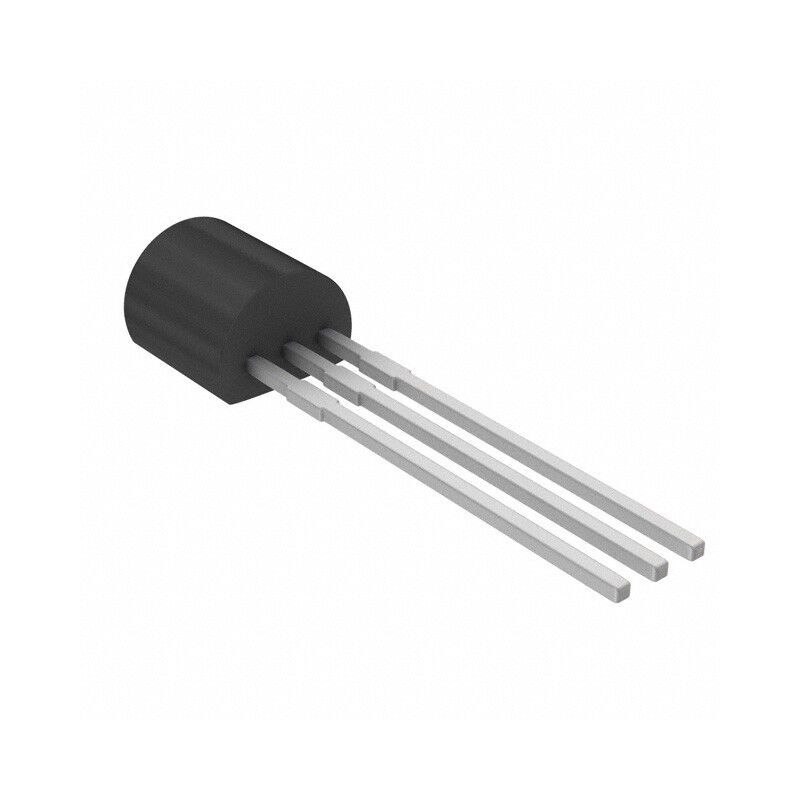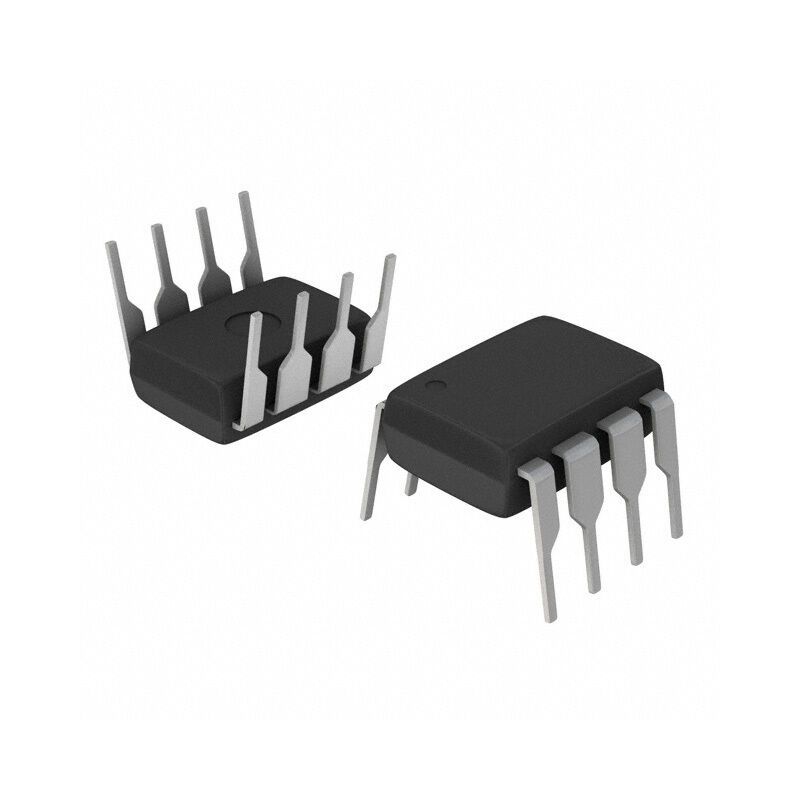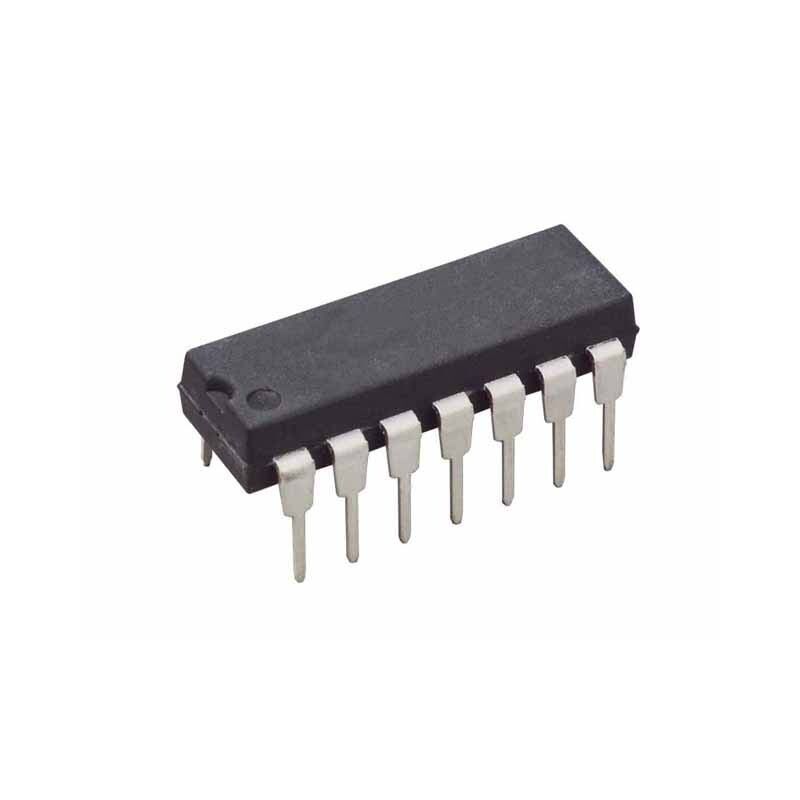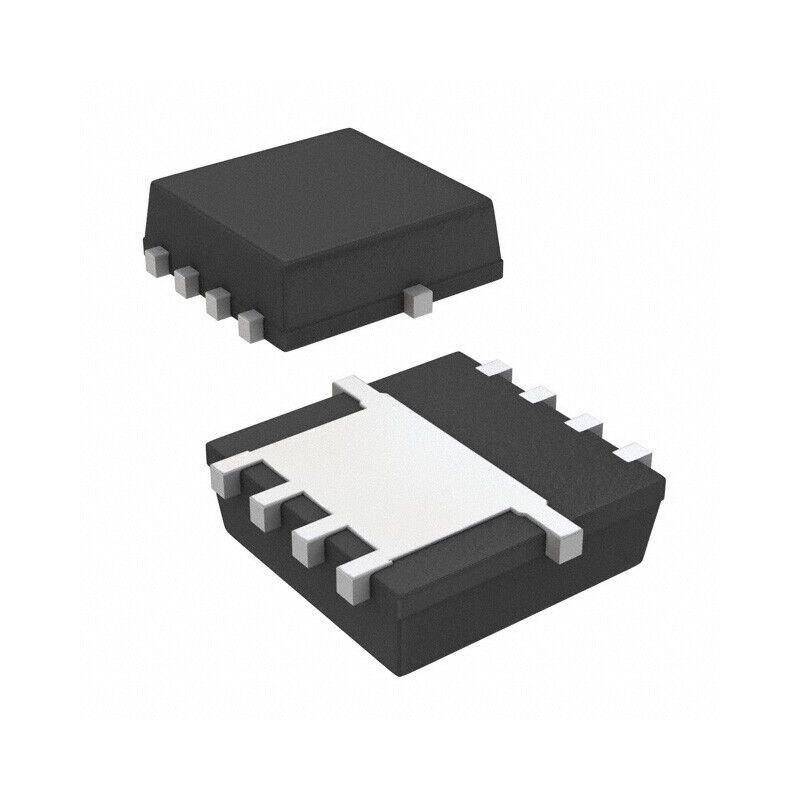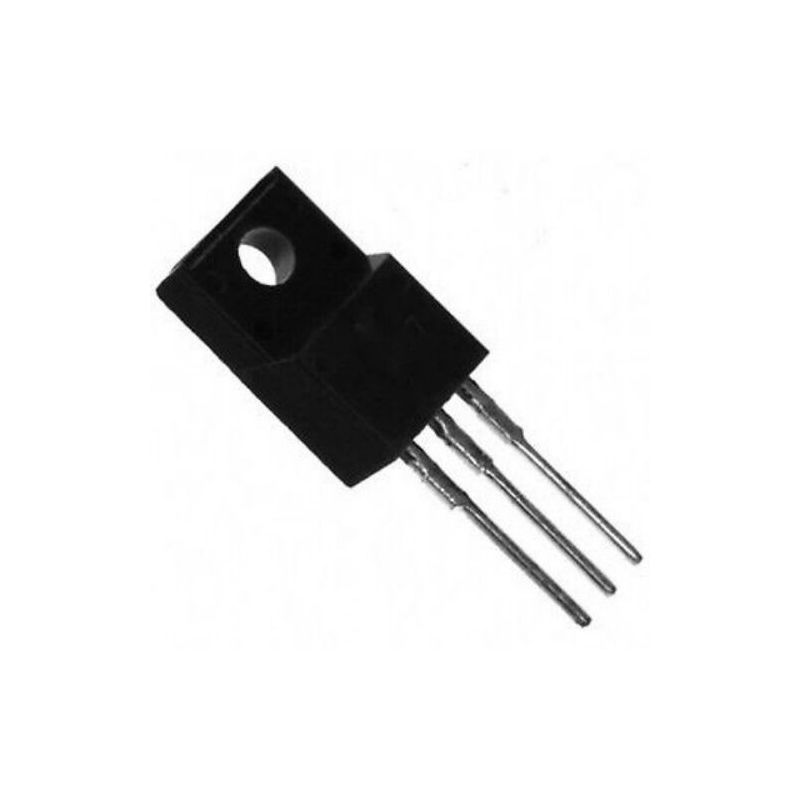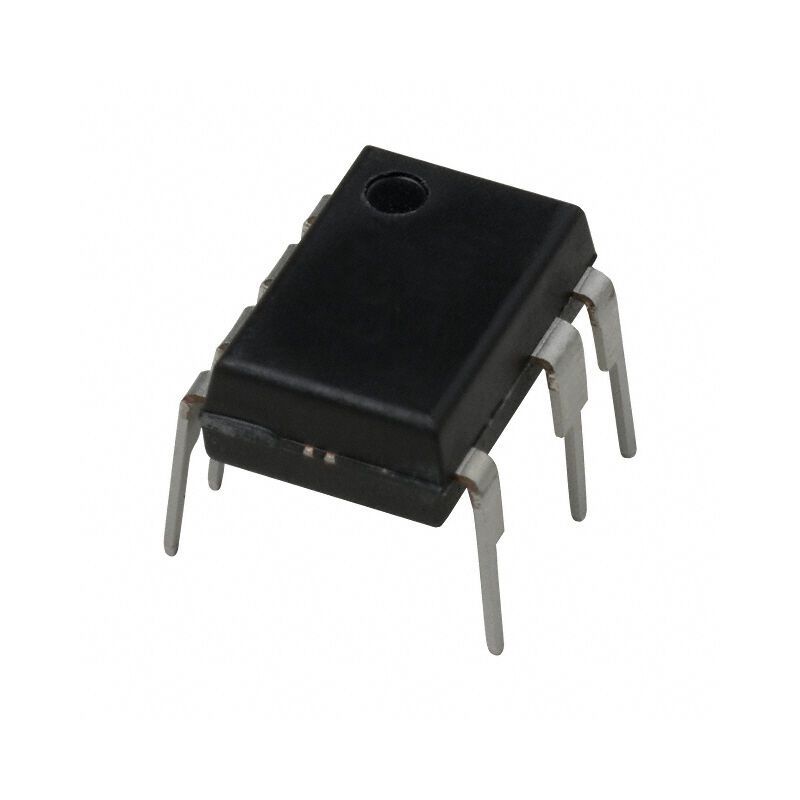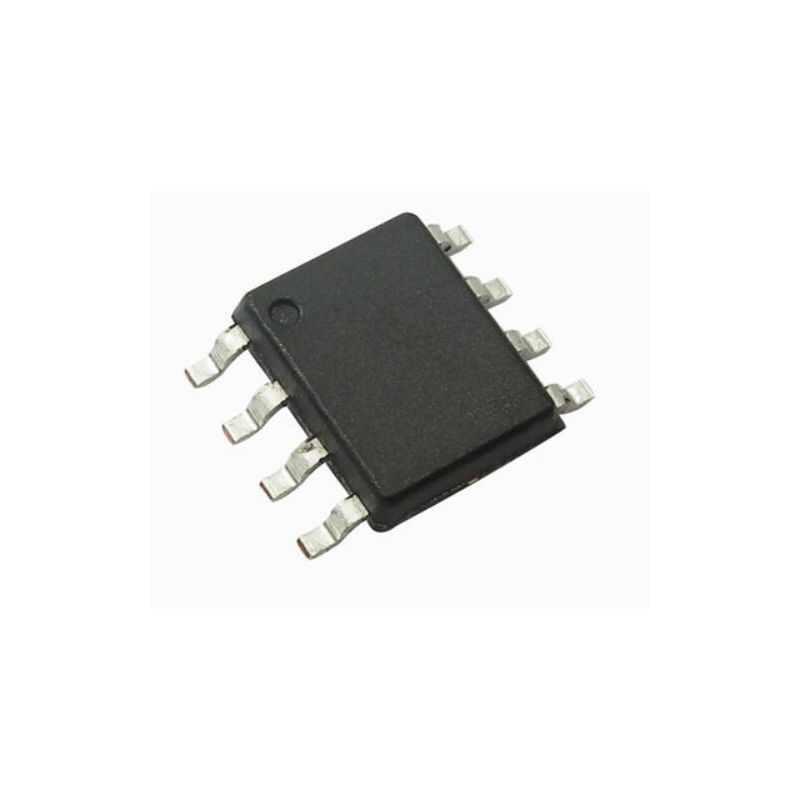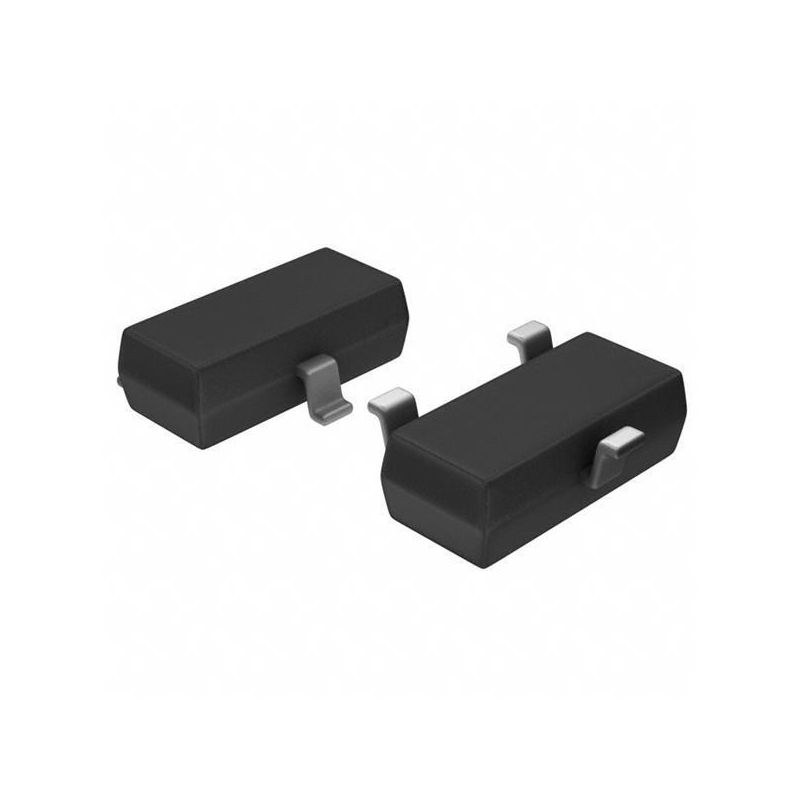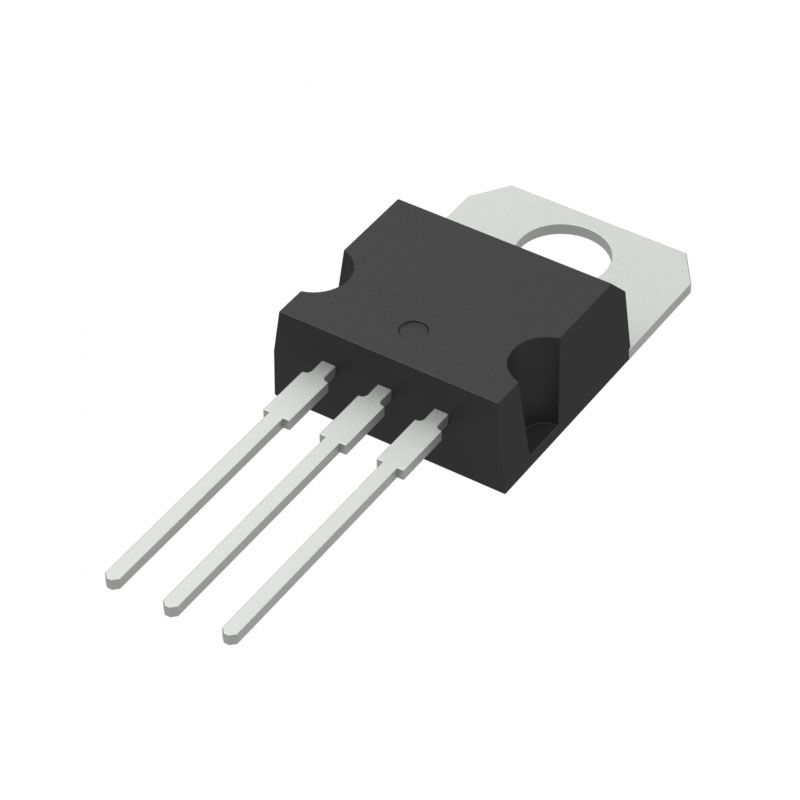


U211B Phase Control IC DIP
26 people are viewing this right now
In Stock
SKU
191067259089
£13.99
Safe Checkout, Guaranteed

Safe Checkout, Guaranteed
The U211B is a highly integrated phase control IC housed in a DIP (Dual In-Line Package), designed for precise and efficient control of AC power in a variety of applications. This integrated circuit offers a versatile solution for controlling the conduction angle of thyristors (SCRs) and triacs, enabling smooth and stepless control of AC loads. Its compact DIP form factor allows for easy integration into circuit boards and simplifies assembly processes. The U211B is widely used in light dimmers, motor speed controllers, temperature controllers, and other applications where precise AC power control is essential. It provides a cost-effective and reliable solution for regulating AC power, ensuring smooth and stepless control of the connected loads. The U211B integrates all necessary functions for phase control into a single chip, reducing the component count and simplifying the design process.
Key features of the U211B integrated circuit include its precise phase control capability, which allows for accurate and repeatable control of AC power. Its wide input voltage range enables it to operate from various AC line voltages. The built-in zero-voltage switching circuitry minimizes switching noise and reduces stress on the connected thyristors or triacs. The U211B also incorporates over-voltage protection to prevent damage from voltage spikes. This IC is known for its ease of use and minimal external component requirements, simplifying the design and implementation of phase control circuits. It provides stable and reliable operation over a wide range of temperature and load conditions.
The U211B integrated circuit is used extensively in light dimmers to adjust the brightness of incandescent or halogen lamps. It enables smooth and flicker-free dimming, creating a comfortable and energy-efficient lighting environment. In motor speed controllers, the U211B regulates the speed of AC motors used in fans, pumps, and other appliances. It provides precise control over the motor's speed, allowing for optimal performance and energy savings. The U211B is also used in temperature controllers to regulate the temperature of heating elements in ovens, heaters, and other thermal systems. It maintains a constant temperature by adjusting the amount of power supplied to the heating element.
The DIP package of the U211B allows for easy prototyping and experimentation with phase control circuits. When incorporating the U211B into your circuit design, it is important to select appropriate thyristors or triacs based on the voltage and current requirements of the application. Proper heat sinking may be necessary for the thyristors or triacs to prevent overheating. The U211B offers a compelling combination of performance, versatility, and ease of use. Its precise phase control capability, wide input voltage range, and built-in protection features make it an ideal choice for a wide range of AC power control applications. Upgrade your AC power control circuits today – Order your U211B integrated circuit now and experience the difference in performance and reliability!
| Product Name | U211B Phase Control IC DIP |
|---|---|
| SKU | 191067259089 |
| Price | £13.99 |
| U211B Phase Control IC DIP Color | As per image |
| Category | Integrated Circuits |
| Brand | Nikko Electronics ltd |
| Product Code | 191067259089 |
| Availability | Yes |
Shipping cost is based on order value. Just add products to your cart and use the Shipping Calculator to see the shipping price. We want you to be 100% satisfied with your purchase. Items can be returned or exchanged within 30 days of delivery.
The U211B Phase Control IC DIP is highly versatile and designed to effectively control a wide range of AC loads, including both resistive and inductive types. For resistive loads, such as incandescent light bulbs, heating elements, or resistive motor loads, the U211B provides smooth, stepless power regulation by precisely adjusting the conduction angle of the connected thyristor (SCR) or triac. When controlling inductive loads, like AC motors or transformers, the U211B Phase Control IC DIP is still effective, but careful consideration of commutation and potential EMI generation is necessary. The IC's zero-crossing detection and precise trigger pulses minimize issues, but external snubber networks or filtering might be required for highly inductive loads to ensure stable operation, prevent false triggering, and protect the power switching device. Its integrated design simplifies the control aspect, making it suitable for applications ranging from light dimmers to variable speed motor drives, provided the external power stage is appropriately selected for the load's characteristics.
The U211B Phase Control IC DIP achieves precise and stepless AC power control through its sophisticated internal timing and phase angle adjustment circuitry. At its core, the IC synchronizes with the AC line voltage via a built-in zero-crossing detector. After detecting the zero-crossing point, an internal ramp generator or timing circuit initiates a delay. The duration of this delay is controlled by an external potentiometer or a control voltage, which directly corresponds to the desired phase angle. Once the delay period elapses, the U211B Phase Control IC DIP generates a precisely timed trigger pulse to fire the external thyristor (SCR) or triac. By varying this delay from near zero (full power) to almost 180 degrees (minimal power), the conduction angle of the power switching device is smoothly adjusted. This continuous control over the AC waveform's conduction period allows for highly granular and stepless regulation of power delivered to the load, making the U211B ideal for applications requiring fine-tuned AC power management.
To implement a complete phase control circuit using the U211B Phase Control IC DIP, several external components are typically required to form a functional system. Essential components include a power switching device, such as a triac for general AC loads or an SCR pair for specific applications, which handles the main load current. A resistor-capacitor (RC) network is crucial for providing the timing reference and setting the control range for the U211B Phase Control IC DIP, often including a potentiometer for user-adjustable phase control. A power supply circuit, usually derived from the AC line itself via resistors and a Zener diode, is needed to provide the DC operating voltage for the U211B. Additionally, a snubber circuit (typically an RC network) across the triac/SCR is often recommended, especially for inductive loads, to protect the switching device from voltage transients and improve commutation. Input filtering components may also be necessary to suppress noise, ensuring reliable operation and reducing electromagnetic interference (EMI) from the switching action.
Yes, the U211B Phase Control IC DIP is specifically designed with an integrated zero-crossing detector, which is a fundamental feature for minimizing electromagnetic interference (EMI) in AC power control applications. The zero-crossing detection circuit within the U211B Phase Control IC DIP monitors the incoming AC line voltage and precisely identifies the point where the voltage crosses zero. This synchronization is critical because it allows the IC to calculate and initiate the phase delay for triggering the thyristor (SCR) or triac relative to the start of each half-cycle. While the U211B's primary function is phase angle control, its internal synchronization with the zero-crossing point inherently contributes to reducing harsh switching transients. For applications that require strictly zero-crossing *switching* (like solid-state relays for resistive loads), the U211B could be adapted to trigger only at zero-crossings, but its core strength lies in variable phase control. The precise timing enabled by its zero-crossing detection ensures predictable and repeatable control, significantly improving the overall performance and reliability of AC power regulation systems.
Utilizing the U211B Phase Control IC DIP offers significant advantages over designing an AC power regulation circuit with discrete components. Firstly, integration reduces complexity and component count; the U211B incorporates functions like zero-crossing detection, ramp generation, and trigger pulse generation into a single compact DIP package, which would otherwise require numerous transistors, resistors, capacitors, and comparators. This simplification drastically reduces circuit board space, bill of materials (BOM) cost, and assembly time. Secondly, the integrated solution typically provides superior performance characteristics, including more stable and precise timing, better temperature stability, and improved immunity to noise due to optimized internal design and layout. Thirdly, reliability is enhanced as a single, factory-tested IC is less prone to component tolerance variations or wiring errors inherent in discrete designs. Finally, design and development cycles are shortened, as engineers can leverage a pre-validated, robust solution like the U211B Phase Control IC DIP rather than spending extensive time on discrete component selection, calculation, and troubleshooting, making it a cost-effective and efficient choice for various AC power control applications.
The U211B Phase Control IC DIP is designed to operate from a DC power supply, typically derived from the AC line voltage it controls, often in the range of 8V to 18V. This DC supply powers the internal logic and timing circuits of the U211B. When designing the power supply for the U211B Phase Control IC DIP, it's crucial to ensure it is stable, well-filtered, and capable of supplying the necessary operating current, usually in the low milliampere range. A common approach involves using a series resistor to drop the AC line voltage, followed by a Zener diode and a capacitor to create a regulated DC voltage. Regarding thermal management, the U211B Phase Control IC DIP itself typically has very low power dissipation due to its highly integrated and efficient design. In most applications, especially those within its specified operating parameters, passive cooling through the PCB traces and ambient air circulation within the DIP package is sufficient. However, for extreme ambient temperatures or if the IC is driving a particularly heavy gate load for the external triac/SCR, reviewing the device's maximum junction temperature and ensuring adequate ventilation or board area for heat dissipation is always good practice to maintain long-term reliability.
The U211B Phase Control IC DIP is engineered to provide robust and reliable triggering for a wide range of SCRs and triacs, including high-power variants. It achieves this by generating sharp, high-current gate pulses precisely timed according to the desired phase angle. The IC's output stage is designed to deliver sufficient peak gate current to quickly turn on the power switching device, even those with higher gate threshold currents (I_GT). While specific output current capabilities can vary slightly based on operating conditions and external components, the U211B typically provides a gate drive current suitable for most standard and medium-to-high power triacs and SCRs. This ensures fast and efficient turn-on, minimizing power dissipation in the switching device during the transition phase. For very high-power applications where the gate current requirements might exceed the U211B's direct drive capability, an intermediate gate driver or buffer stage might be considered. However, for the vast majority of light dimmers, motor speed controllers, and temperature control applications, the U211B Phase Control IC DIP offers ample gate drive strength for reliable and consistent performance.